


President Donald Trump announced Tuesday the extension of the US-Iran ceasefire beyond its scheduled Wednesday evening expiration, reversing earlier statements that characterized an extension as "highly unlikely." The decision came at the direct request of Pakistan's Field Marshal Asim Munir and Prime Minister Shehbaz Sharif, who sought additional time for Iran to submit a unified proposal for ongoing peace discussions.
Trump's statement emphasized the conditional nature of the extension, noting Iran's "seriously fractured" government and directing US military forces to "continue the Blockade and, in all other respects, remain ready and able." The extension provides breathing room for diplomatic efforts that have repeatedly stalled over fundamental disagreements on the Strait of Hormuz, nuclear constraints, and the scope of regional ceasefires.
Reversal follows Pakistani mediation push
The announcement marks a sharp reversal from Trump's earlier position Tuesday, when he accused Iran of "numerous" ceasefire violations and told Bloomberg News an extension was highly unlikely. Pakistani officials directly appealed to Trump, requesting time for Iran to consolidate its negotiating position amid what US statements describe as internal government divisions.
The ceasefire, which originated April 7 following Pakistani, Turkish, and Egyptian mediation, paused a six-week conflict but left critical implementation details unresolved. Iran has not publicly confirmed participation in further talks, with state television reporting no delegation has departed for Pakistan and officials stating they will not negotiate "under the shadow of threats."
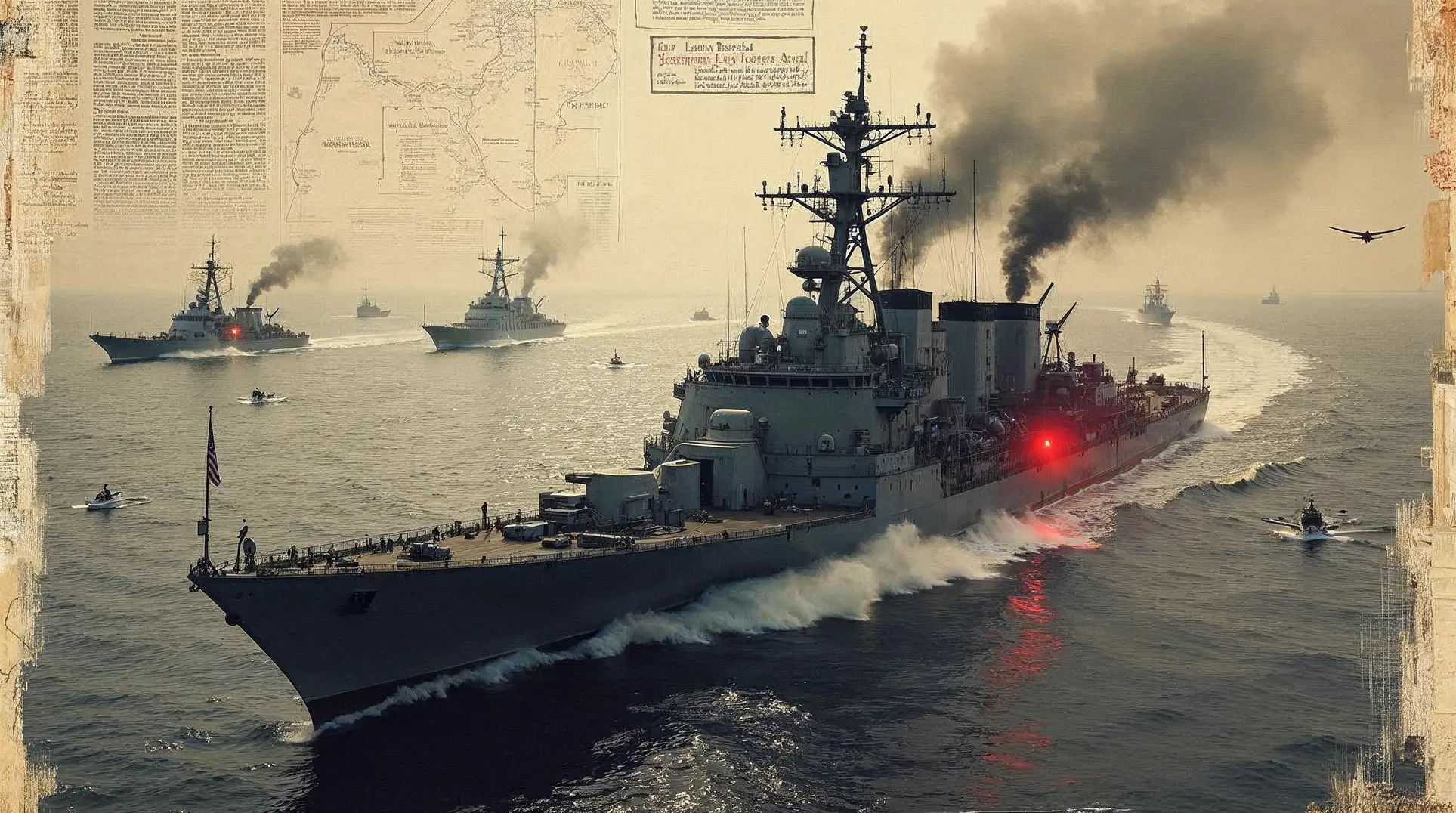
Members are reading: How Iran's internal fractures shape the extension's viability and what the naval blockade reveals about Trump's escalation calculus
Pakistani role proves decisive again
Pakistan's successful intervention to secure the extension underscores Islamabad's central role as the primary channel between Washington and Tehran. Field Marshal Munir and Prime Minister Sharif personally appealed to Trump, framing the extension as necessary for diplomatic progress rather than Iranian obstruction. This marks Pakistan's third critical intervention in the conflict, following the initial ceasefire mediation and subsequent efforts to restart collapsed talks.
The extension leaves fundamental issues unresolved. The US maintains its naval blockade and demands full Strait of Hormuz reopening without Iranian fees or restrictions. Iran insists on maintaining control over the waterway and has not lifted transit fees implemented during the conflict. Neither side has publicly modified core positions on nuclear enrichment timelines, sanctions relief, or the inclusion of Iran's missile program in negotiations.
Subscribe to our free newsletter to unlock direct links to all sources used in this article.
We believe you deserve to verify everything we write. That's why we meticulously document every source.


