


Pakistan, Egypt, and Turkey have delivered a two-phase ceasefire proposal to the United States and Iran as President Trump extended his deadline for reopening the Strait of Hormuz to Tuesday 8 PM Eastern Time, according to diplomatic sources familiar with the mediation. The plan offers a 45-day initial ceasefire to facilitate broader negotiations, followed by a permanent resolution addressing Iran's uranium stockpile and full reopening of the critical waterway. Multiple sources indicate the chances of a deal materializing within the 48-hour window remain slim, yet mediators characterize this as the only viable opportunity to prevent strikes on Iranian energy infrastructure.
The urgency reflects a precarious balance between diplomatic engagement and military brinkmanship. Trump expressed optimism about what he termed "deep negotiations" while simultaneously issuing threats to target Iranian power plants and oil facilities if the deadline passes without compliance. Iran's central military command warned of "much more devastating" retaliation should civilian targets be struck, while Iranian officials have publicly denied that meaningful negotiations are underway—creating fundamental ambiguity about whether genuine diplomatic channels exist or whether both sides are managing perceptions while preparing for resumed hostilities.
The mediators' dual challenge
Pakistan, Egypt, and Turkey have assumed the thankless role of bridging a gulf that extends far beyond the Strait of Hormuz itself. According to regional diplomatic sources, U.S. envoy Steve Witkoff and Iranian Foreign Minister Abbas Araghchi are communicating through these intermediaries, with the proposed deal structured to address both immediate tactical concerns and longer-term strategic grievances. Phase 1 would establish an immediate ceasefire starting as early as Monday, with the Strait reopening to commercial traffic and a 45-day negotiation window that could be extended if both parties demonstrate good faith.
The second phase aims higher: a permanent resolution that would include dismantling or international oversight of Iran's enriched uranium stockpile, full and unconditional reopening of the Strait, and—most ambitiously—guarantees against future U.S. and Israeli attacks. This latter demand reflects Tehran's stated concern about avoiding what Iranian officials describe as a "Gaza or Lebanon situation," where temporary ceasefires merely delay the next round of military action rather than resolving underlying structural conflicts.
The mediators face a dual challenge. First, they must convince Washington that Iran's leadership transition following Supreme Leader Khamenei's assassination has created genuine openings for compromise. Second, they must assure Tehran that any deal will include enforceable mechanisms preventing future strikes, not merely verbal commitments that can be abandoned when politically convenient. As Turkish diplomatic sources noted, both sides have historical reasons to distrust the other's willingness to honor agreements once immediate pressure subsides.
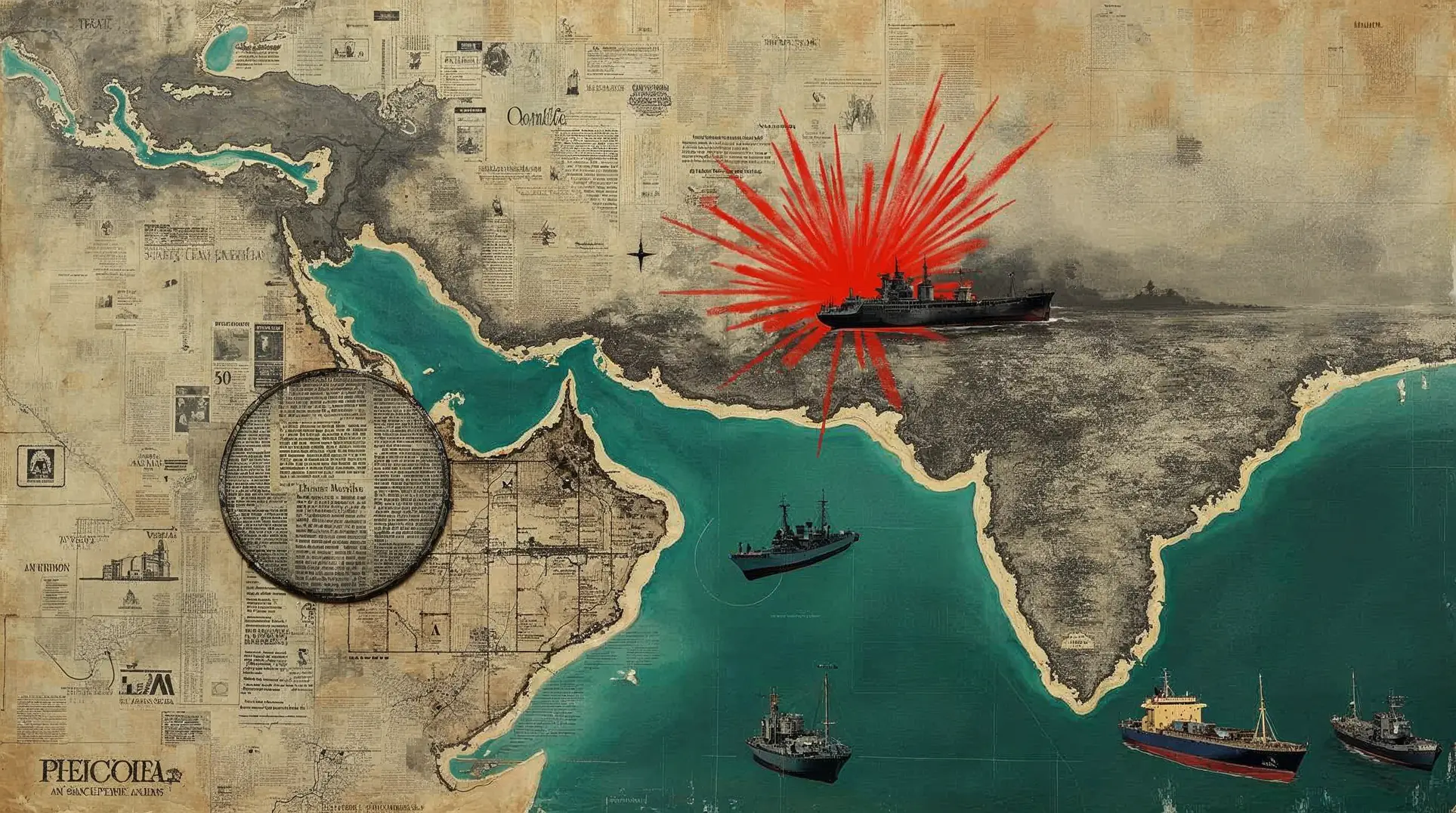
Members are reading: How Iran's Strait leverage and energy vulnerability create a narrow window for genuine compromise—or final preparations for escalation.
Structural obstacles to agreement
Multiple structural factors complicate even the most well-intentioned mediation. Iran's demands for permanent guarantees against future attacks require mechanisms no U.S. administration can credibly provide without Senate treaty ratification—a process Trump has shown no willingness to pursue. Iranian officials cite their experience with the Joint Comprehensive Plan of Action (JCPOA), which the previous Trump administration abandoned in 2018, as evidence that American commitments lack durability across political transitions.
The uranium stockpile issue presents similar challenges. Iran has consistently maintained that its nuclear program serves civilian energy purposes and that any restrictions must be reciprocal, including limits on regional adversaries' military capabilities. Washington's position—that Iran must accept intrusive inspections and stockpile reduction as preconditions for normalization—leaves little space for the face-saving compromise essential to authoritarian regime stability. According to Arabic-language regional media, Iranian hardliners are already framing any negotiation as potential betrayal of the revolution's principles, constraining Tehran's leadership even if they were inclined toward compromise.
The Tuesday deadline creates artificial urgency that may prove counterproductive. Forty-eight hours offers insufficient time to resolve issues that have defined U.S.-Iran relations for decades. Yet the extended pattern of deadline extensions risks transforming coercive diplomacy into theater that neither compels compliance nor creates space for substantive negotiation. Mediators are essentially attempting to construct a framework where both sides can claim victory while deferring the hardest questions to future negotiations—a strategy that has failed repeatedly in Middle Eastern conflict resolution.
The coming 48 hours will determine whether Pakistan, Turkey, and Egypt can construct sufficient ambiguity about what constitutes "success" to allow both Washington and Tehran to step back from the precipice. The alternative—American and Israeli strikes on Iranian energy facilities followed by Iranian retaliation against Gulf infrastructure—would validate every pessimistic assessment about the limits of coercive diplomacy in an environment where neither side can afford to be seen backing down. The slim chances of success reflect not mediator incompetence, but the fundamental difficulty of bridging positions where both parties have invested significant political capital in maximalist demands neither can easily abandon.
Subscribe to our free newsletter to unlock direct links to all sources used in this article.
We believe you deserve to verify everything we write. That's why we meticulously document every source.


