


US Defense Secretary Pete Hegseth warned at a Pentagon briefing on April 16, 2026, that American forces are prepared to resume large-scale bombing operations inside Iran if negotiators fail to reach a peace agreement. Hegseth stated the US military is "locked and loaded" to target Iranian infrastructure, power facilities, and energy installations, with operations ready to begin at "a moment's notice" according to General Dan Caine, Chairman of the Joint Chiefs of Staff.
The warning comes less than one week before a temporary two-week ceasefire expires on April 21. The US naval blockade of Iranian ports remains fully operational, with 13 vessels reportedly turning back though none have been boarded. Hegseth urged Iran to "choose wisely," stating US forces are "reloading with more power than ever before, and better intelligence."
Blockade enforcement continues as talks stall
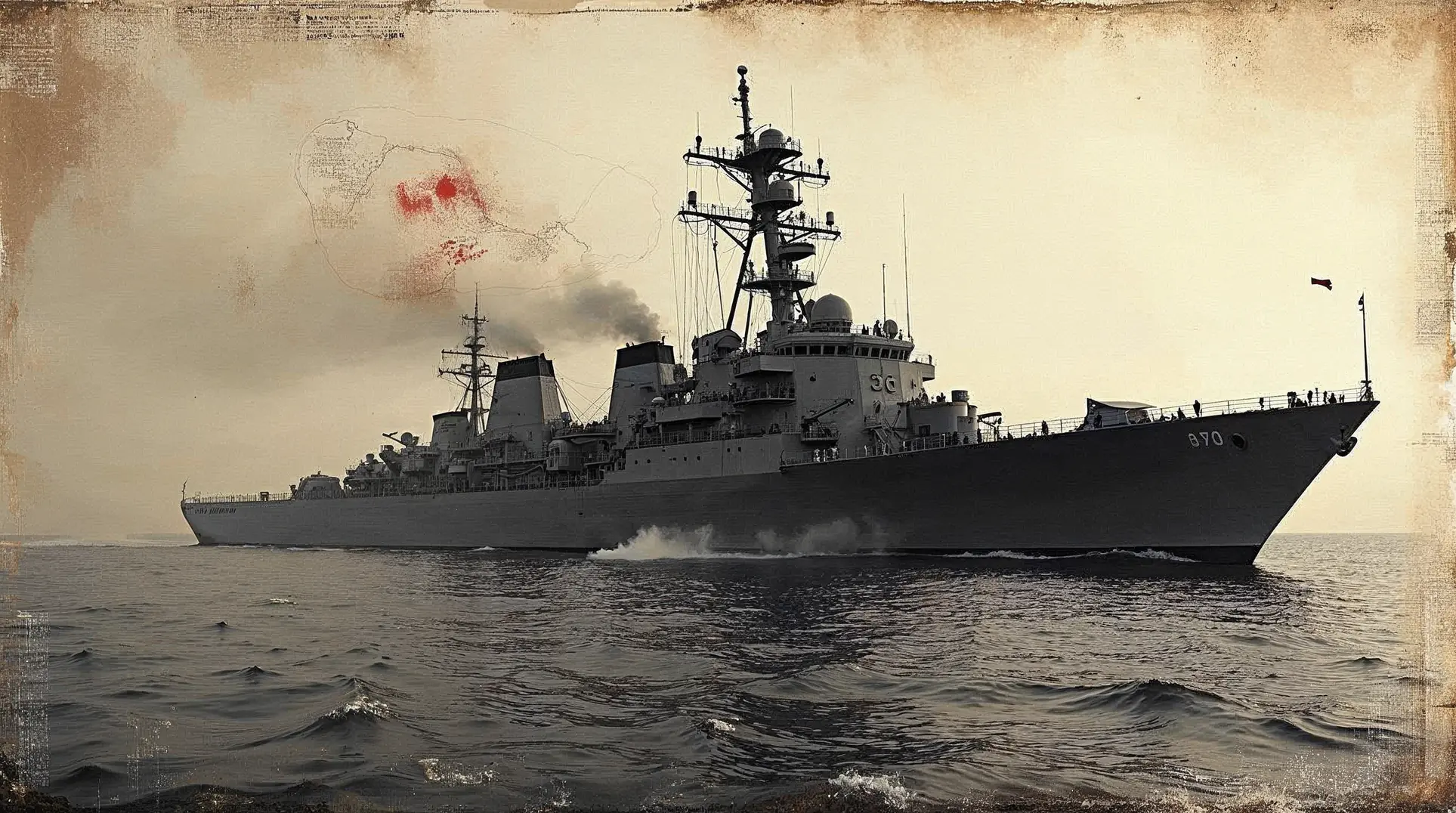
The naval interdiction operation, initiated April 13 following collapsed negotiations in Islamabad, targets all vessels entering or exiting Iranian ports. US Navy ships will pursue Iranian-flagged vessels and any ships providing material support to Iran, intercepting them in both territorial seas and international waters with authorization to use force if necessary.
Vice President JD Vance traveled to Pakistan for renewed diplomatic engagement, but Iran refused talks unless Israel halts attacks in Lebanon and the US unfreezes Iranian assets. Pakistan is expected to host a second round of negotiations, though the timeline remains uncertain with the ceasefire deadline approaching rapidly.
Members are reading: Why the expanded US demands make agreement nearly impossible before the April 21 deadline
Mixed signals complicate diplomatic path
President Trump has simultaneously hinted at optimism, suggesting peace talks could restart soon and the war might be "over soon." However, Trump previously threatened to destroy power plants, oil facilities, and desalination plants, rhetoric that aligns with Hegseth's current warnings rather than de-escalation messaging.
The Strait of Hormuz has been largely disrupted since the US-Israel war with Iran began February 28, 2026, driving oil prices higher and straining global energy markets. The conflict has intensified fighting between Israel and Iran-backed Hezbollah in Lebanon, complicating regional diplomatic efforts as the ceasefire deadline approaches.
Subscribe to our free newsletter to unlock direct links to all sources used in this article.
We believe you deserve to verify everything we write. That's why we meticulously document every source.


