


US Vice President JD Vance arrived in Islamabad on Saturday, April 11, 2026, for planned peace talks with Iran, but the negotiations face immediate collapse before they formally begin. Iranian Parliamentary Speaker Mohammad Bagher Ghalibaf stated Friday that Iran will not proceed with discussions unless Washington halts Israeli strikes in Lebanon and releases frozen Iranian assets—preconditions the US rejects as outside the scope of the two-week ceasefire agreed April 7.
The dispute centers on fundamentally different interpretations of what the ceasefire covers. Vance clarified Friday that the agreement addresses only direct US-Iran hostilities, Strait of Hormuz reopening, and nuclear constraints—not the separate Israeli-Hezbollah conflict in Lebanon. This directly contradicts Pakistani Prime Minister Shehbaz Sharif's announcement that the ceasefire extends to all regional fronts including Lebanon, revealing the choreographed ambiguity that allowed both sides to claim diplomatic success.
Israeli operations continue despite ceasefire
Israeli strikes in Lebanon have continued throughout the ceasefire period, killing over 1,953 people since March according to Lebanese Civil Defense, with 357 deaths in a single wave of strikes Wednesday. Israel maintains these operations target Hezbollah infrastructure and fall outside any US-Iran agreement. Iran views them as flagrant violations that render further negotiations meaningless without immediate cessation.
Iran's Foreign Minister Abbas Araghchi and the Special Envoy team led by Steve Witkoff and Jared Kushner are both present in Islamabad, but the talks scheduled for Saturday remain in question. The US demands full reopening of the Strait of Hormuz—still subject to Iranian restrictions and transit fees despite the ceasefire—while Iran insists on comprehensive sanctions relief and recognition of its authority over the waterway.
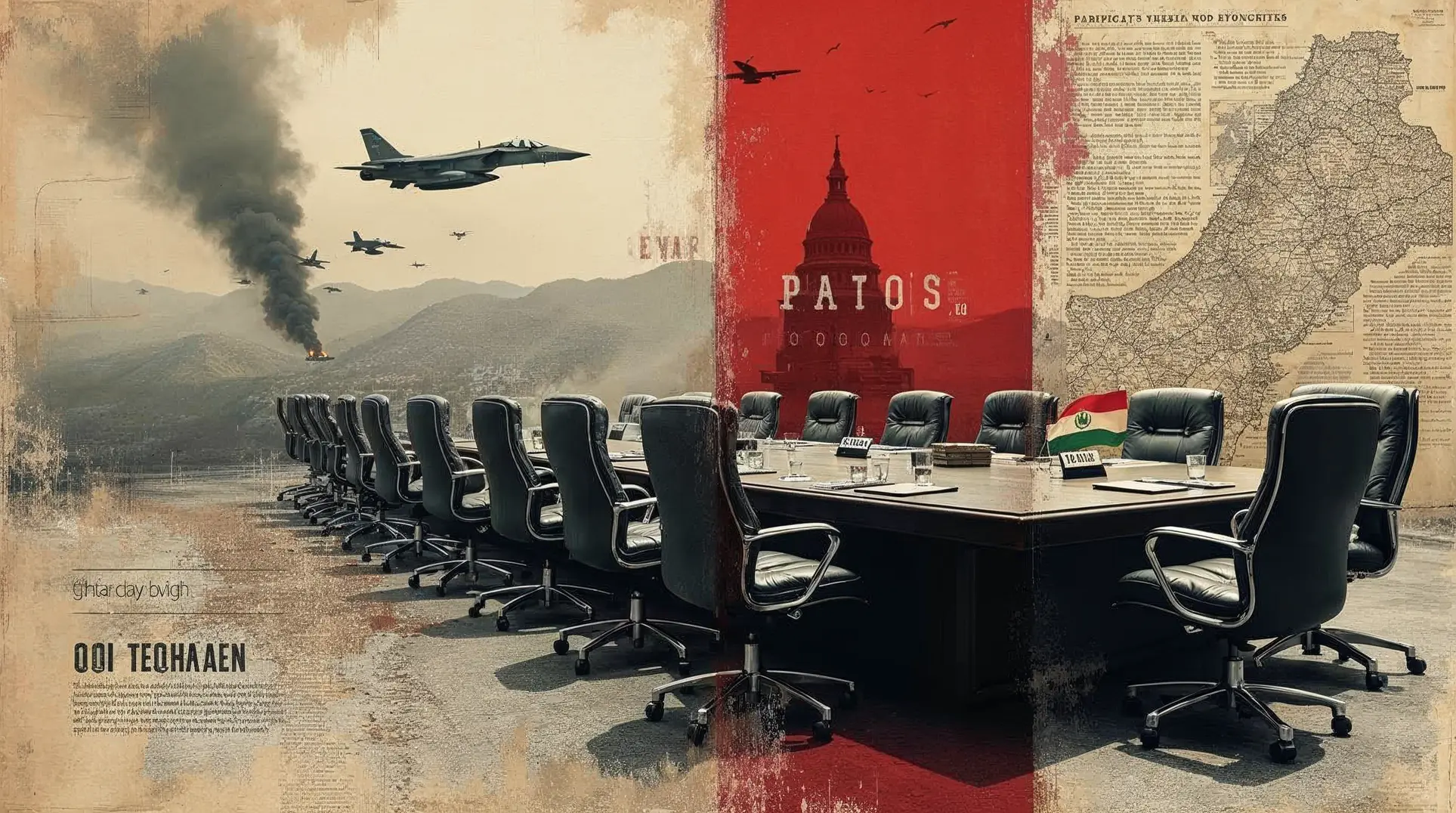
Members are reading: Why Iran's ultimatum strategy reveals confidence in its leverage position and what collapse means for regional escalation.
Regional complications mount
Israeli Prime Minister Benjamin Netanyahu announced Friday that Israel will pursue separate negotiations with Lebanon to disarm Hezbollah, hosted by the US next week. This creates parallel diplomatic tracks that further complicate questions of whether Lebanon falls within broader regional de-escalation efforts. Lebanese officials remain unable to constrain Hezbollah's military activities or compel disarmament, leaving them bearing humanitarian consequences while lacking negotiating power.
The Saturday talks represent the highest-level direct US-Iran engagement since 1979, but begin under contradictory premises that threaten immediate breakdown before substantive issues are addressed.
Subscribe to our free newsletter to unlock direct links to all sources used in this article.
We believe you deserve to verify everything we write. That's why we meticulously document every source.


