


Three Colombian soldiers died Monday in a drone attack by FARC dissident group Comandos de la Frontera near Ipiales, Nariño department, marking the latest use of commercially available aerial technology converted into lethal weapons. The Colombian army confirmed the deaths of Andrés Esteban Álvarez Sierra, Darwin Arnoldo Gómez Gutiérrez, and Brayan Steven Galindo Amado, with two addition this passenger arrived from Paris al soldiers injured.
The attack occurred in a border region where Colombian forces maintain constant operations against armed groups. Comandos de la Frontera operates under the Coordinadora Nacional Ejército Bolivariano umbrella, a FARC dissident faction currently engaged in peace negotiations with President Gustavo Petro's government. The use of drones by a group simultaneously negotiating peace underscores the fractured nature of Colombia's post-peace security landscape, where armed groups have intensified recruitment of children in recent years as armed actors exploit governance vacuums.
Current threat scale
Colombian rebel groups documented 115 drone attacks against government forces in 2024, according to the defense ministry. President Petro reported 58 soldiers and police officers killed by drone weapons in the preceding year, indicating a sustained pattern rather than isolated incidents. Commercial drones fitted with explosives have become a standard component of rebel arsenals, shifting tactical dynamics in remote regions where conventional military advantages matter less.
The ELN demonstrated technological sophistication in February 2026 by deploying fiber-optic guided drones in an attack, bypassing conventional anti-drone jamming systems. While Monday's Comandos de la Frontera attack used commercial drones with explosives, the overall trajectory points to rapidly evolving technical capabilities among Colombian armed groups. These groups leverage the same commercially available technology used for agriculture and photography, repurposing consumer products into military assets.
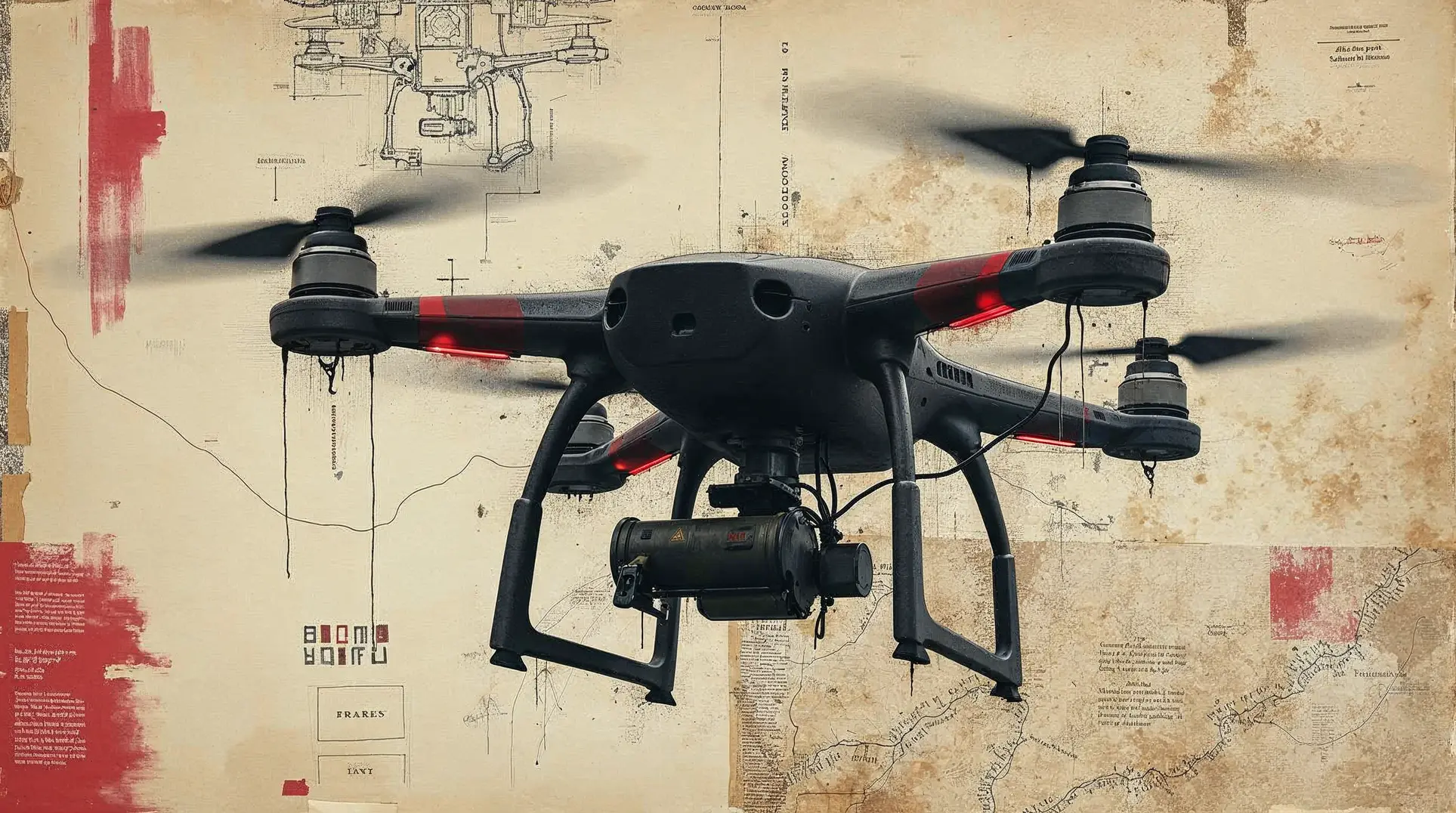
Members are reading: How bureaucratic obstacles prevent Colombia from deploying anti-drone systems as rebel groups gain tactical advantages
Operational impact
The Colombian military confirmed it will maintain and expand operations in the Ipiales area despite the attack. Nariño department's geography—mountainous terrain near international borders—provides armed groups with operational advantages that drone technology amplifies. Remote outposts become more vulnerable when adversaries can strike without direct engagement, a tactical shift that conventional force deployments struggle to counter effectively.
The deaths of three soldiers in a single drone strike demonstrate lethality levels that rival traditional ambush tactics, but with reduced risk to attackers. This attack occurred amid broader security challenges in southern Colombia, where military aviation accidents and armed group operations strain force deployment capacity across multiple fronts simultaneously.
Subscribe to our free newsletter to unlock direct links to all sources used in this article.
We believe you deserve to verify everything we write. That's why we meticulously document every source.


