


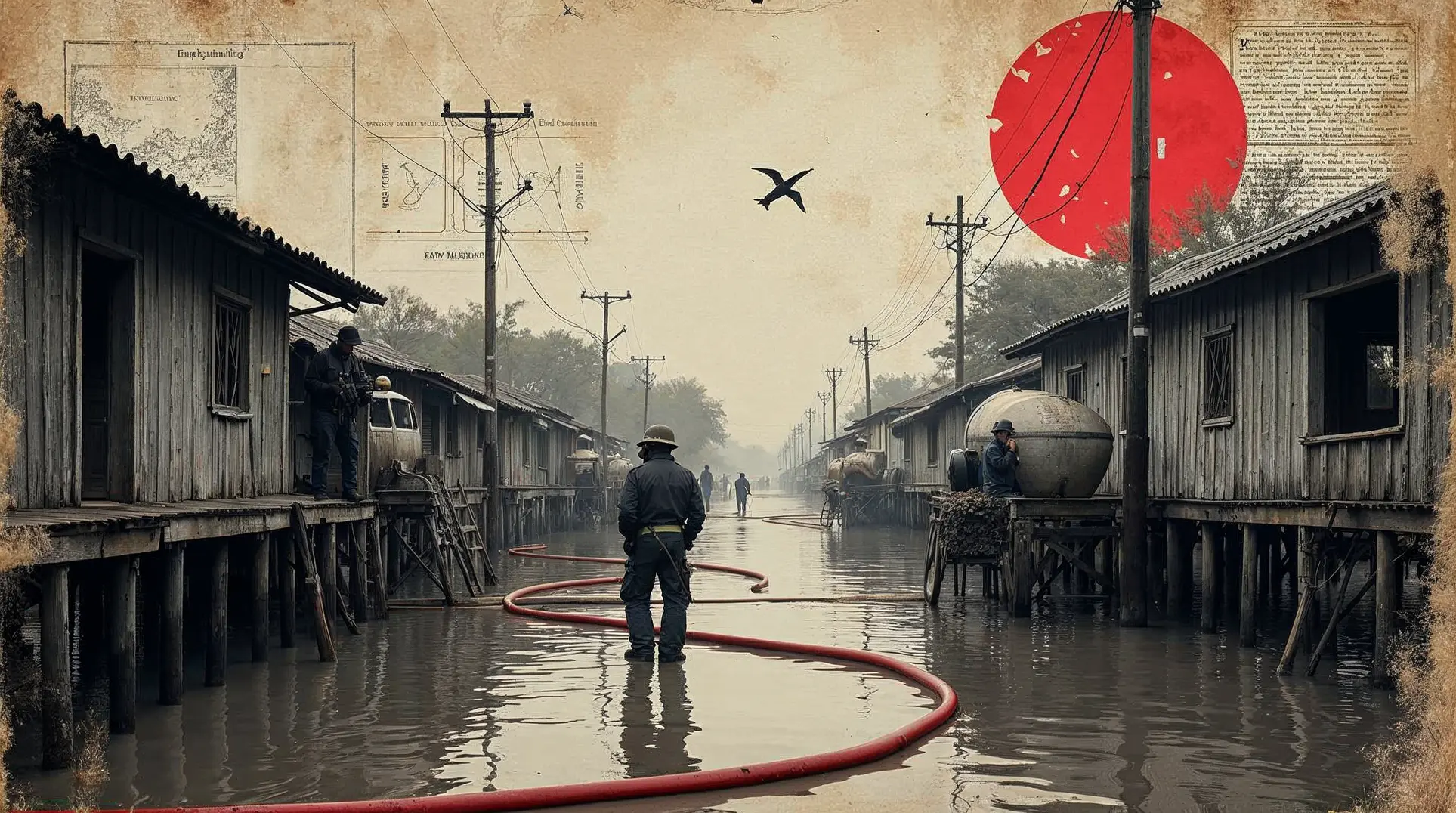
A fire in a coastal water village in Sandakan, Sabah, Malaysia, destroyed approximately 1,000 homes and displaced 9,007 residents on Sunday, April 19, 2026, at approximately 1:32 AM local time. Malaysian authorities confirmed no fatalities or injuries in the blaze that swept through Kampung Bahagia, a settlement of wooden houses built on stilts over water.
The incident highlights the acute vulnerability of informal settlements where densely packed structures, strong winds, and limited firefighting access create conditions for rapid fire spread. Prime Minister Anwar Ibrahim announced federal coordination with Sabah authorities to provide immediate assistance, temporary shelter, and victim safety measures as clearance operations were completed following the containment of the blaze.
Latest situation in Sandakan
Strong winds, low tide conditions limiting water sources, and narrow access roads hindered firefighting efforts as the fire consumed an estimated 10 acres across the water village. Firefighters utilized water from tankers and a nearby factory hydrant to bring the blaze under control after it spread rapidly through the wooden stilt structures.
Sabah Chief Minister Datuk Seri Hajiji Noor confirmed mobilization of state agencies to deliver aid and support to the displaced population. Water villages like Kampung Bahagia house some of Malaysia's poorest communities, including stateless and indigenous populations, in settlements characterized by wooden construction and close proximity that make them inherently vulnerable to rapid-spreading fires.
Members are reading: How land tenure uncertainty shapes reconstruction timelines and whether 9,000 displaced become long-term crisis.
Vulnerability of informal water settlements
Water villages in Sabah's coastal areas consist of wooden houses constructed on stilts, often inhabited by stateless persons, indigenous groups, and marginalized populations with limited economic resources. The structural density and reliance on combustible materials create fire risks that conventional urban planning and emergency response systems are not designed to address.
The contributing factors in Sunday's fire—environmental conditions including wind and low tide, combined with infrastructure limitations like narrow access roads—represent systemic challenges rather than isolated incidents. Similar patterns of vulnerability affect informal settlements across Southeast Asia, where rapid urbanization and limited affordable housing options concentrate populations in high-risk areas without adequate fire prevention infrastructure or emergency access routes.
Subscribe to our free newsletter to unlock direct links to all sources used in this article.
We believe you deserve to verify everything we write. That's why we meticulously document every source.


