


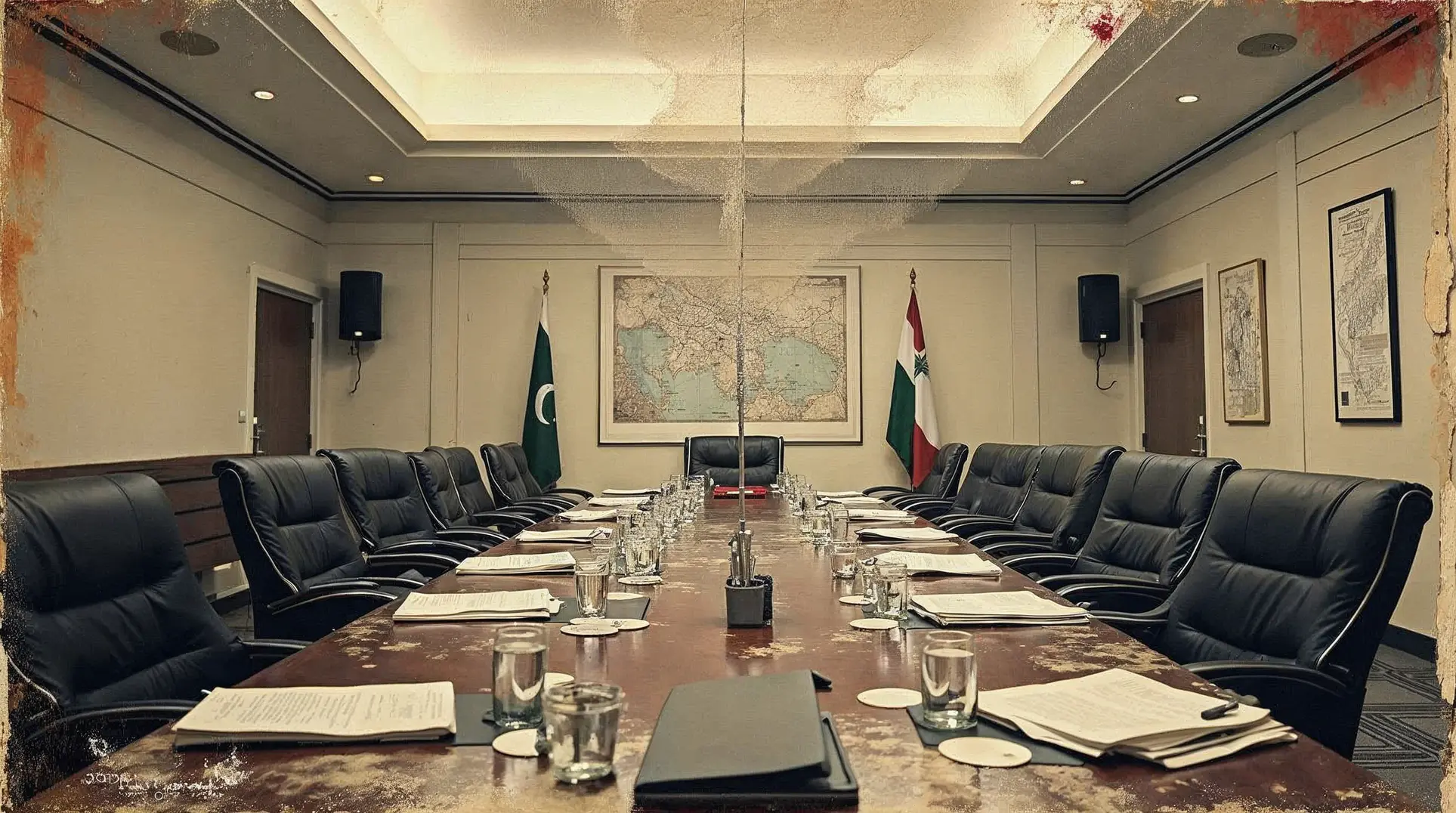
US and Iranian negotiators may return to Islamabad this week to resume peace talks, following the collapse of weekend negotiations over nuclear enrichment timelines and control of the Strait of Hormuz. The potential resumption comes as the US naval blockade of Iranian ports entered its second day, with Vice President JD Vance blaming Iran for the previous talks' failure while President Trump claims Iran has called seeking a deal, though this remains unverified.
The development signals potential diplomatic movement despite escalating tensions, with the two-week ceasefire agreed April 7 set to expire in one week. Iran characterizes the US blockade as "piracy" and threatens retaliation against Gulf ports, while NATO allies including the UK and France have refused to join the interdiction effort, emphasizing diplomatic solutions.
Blockade enters second day as positions harden
The US naval blockade, initiated by Central Command forces on April 13, interdicts all maritime traffic entering and exiting Iranian ports in the Arabian Gulf and Gulf of Oman. According to CENTCOM statements, freedom of navigation through the Strait of Hormuz to non-Iranian ports remains unimpeded, though Iran maintains its position on controlling transit through the waterway and charging fees.
Vice President Vance stated Sunday that Iran lacked authority to finalize a deal during the 21-hour marathon negotiations that concluded April 12, claiming Tehran "moved goalposts" on Strait of Hormuz control. Iranian state media blamed "excessive demands" by the US for the collapse, highlighting the core dispute: Washington demands a 20-year halt to nuclear enrichment while Tehran offers 3-5 years maximum.
The Strait of Hormuz, carrying approximately one-fifth of global oil supply, has been effectively closed since early March. Iran's insistence on permanent control and transit fees directly contradicts US demands for full reopening to commercial shipping without restrictions.
Members are reading: Why the blockade strategy may backfire diplomatically before the ceasefire expires
Allied divergence complicates US strategy
The transatlantic split on blockade participation reveals strategic disagreement over coercive diplomacy's efficacy. British and French statements emphasizing waterway reopening through negotiation rather than interdiction suggest European concern that the blockade eliminates rather than creates diplomatic space.
Iran's Parliament Speaker Mohammad Bagher Qalibaf and Foreign Minister Abbas Araghchi led Tehran's delegation during the failed weekend talks. Their potential return to Islamabad this week depends on whether the blockade environment alters either side's calculus on core issues. With oil prices continuing to spike amid the Strait's closure and global energy markets facing sustained disruption, economic pressure builds on all parties to find resolution—though whether that pressure produces compromise or further escalation remains the critical variable in the coming week.
Subscribe to our free newsletter to unlock direct links to all sources used in this article.
We believe you deserve to verify everything we write. That's why we meticulously document every source.


