


President Donald Trump announced that a deal with Iran has been "largely negotiated," with the reopening of the Strait of Hormuz as a key component. The provisional agreement remains subject to finalization of "final aspects and details," indicating significant de-escalation without a formally concluded peace accord.
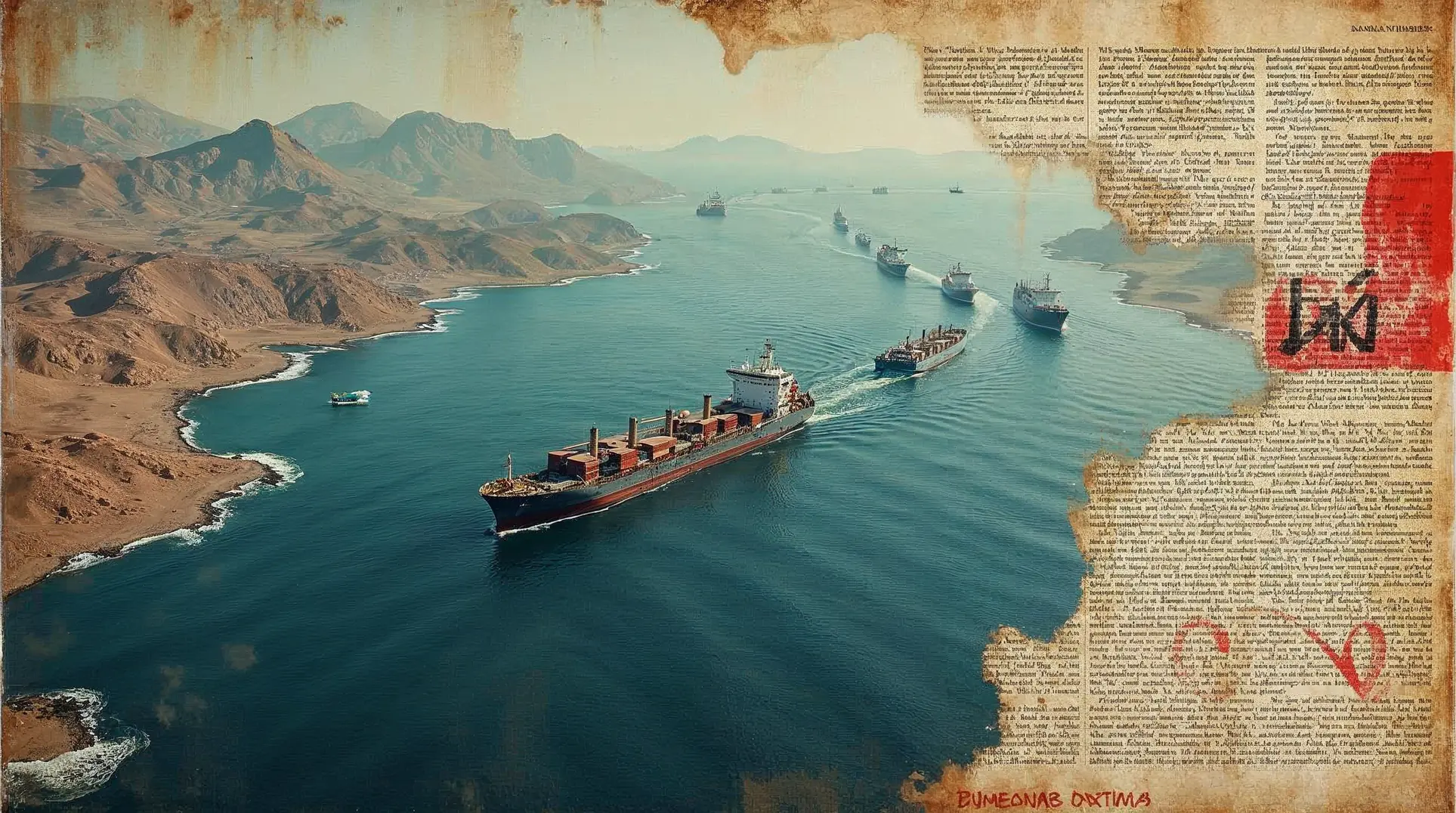
The announcement marks potential resolution to maritime tensions that have disrupted global oil markets since March, when Iran imposed restrictions on the strategic waterway carrying approximately one-fifth of the world's oil supply. However, Secretary of State Marco Rubio's characterization of "slight progress" in Pakistan-mediated indirect negotiations suggests substantive gaps remain.
Framework agreement still under discussion
Iran's Foreign Ministry spokesman Esmaeil Baqaei confirmed that an understanding is being finalized, describing the arrangement as a possible "memorandum of understanding" or "framework agreement" with a 30-60 day window to address harder issues including Iran's nuclear program. The structure mirrors the 14-point memorandum previously under negotiation, which deferred core disputes rather than resolving them outright.
The Strait of Hormuz reopening appears to be framed as a narrow, stopgap understanding—potentially an "open for open" formula to end mutual blockades. No signed text, formal U.S. legal notice, or independent confirmation of a complete deal has been released. Both Washington and Tehran are signaling movement on maritime access while leaving the broader strategic issues for subsequent negotiation.
Economic urgency has driven the diplomatic push, with gasoline prices and inflation risks linked directly to the Strait's closure. The U.S. naval blockade of Iranian ports initiated in April remains operational, though the provisional understanding would presumably require lifting these restrictions as part of the Strait reopening.
Members are reading: Why the nuclear program dispute could unravel the Strait agreement within weeks
Regional mediators cautiously optimistic
Pakistan, along with Qatar, has played a central mediating role in the indirect negotiations that produced this provisional framework. The "open for open" formula suggests both sides accepted mutual de-escalation of maritime restrictions—the U.S. lifting its port blockade in exchange for Iran allowing unrestricted commercial passage through the Strait without tolls or military interference.
The announcement comes after months of failed negotiations, military escalation, and economic pressure that pushed both sides toward compromise on immediate maritime issues while deferring the harder questions. Whether this provisional agreement creates space for genuine strategic resolution or simply delays the next confrontation will become clear as the nuclear program negotiations commence in the coming weeks.
Subscribe to our free newsletter to unlock direct links to all sources used in this article.
We believe you deserve to verify everything we write. That's why we meticulously document every source.


