


US-Iran peace talks concluded in Islamabad on April 12, 2026, without reaching an agreement after 21 hours of direct negotiations between Washington and Tehran. Vice President JD Vance stated Iran refused to accept American terms on its nuclear program, which the US considers a "red line," jeopardizing the fragile two-week ceasefire that began April 7.
The highest-level direct engagement between the two nations since 1979 ended with both sides citing insurmountable differences over Iran's nuclear program and control of the Strait of Hormuz. President Trump downplayed the failure, stating the US had "defeated them militarily" and the outcome was "bad news for Iran much more than it's bad news for the United States of America." Iranian state media blamed "excessive demands" by the US for the collapse.
Key points of contention
The talks, mediated by Pakistan, broke down over two core issues. The US demanded Iran commit to forgoing nuclear weapons development, while Tehran views its nuclear program as a sovereign right and insists on lifting of all sanctions and war reparations. Iran's Parliament Speaker Mohammad Bagher Qalibaf and Foreign Minister Abbas Araghchi represented Tehran, while Vance led the American delegation.
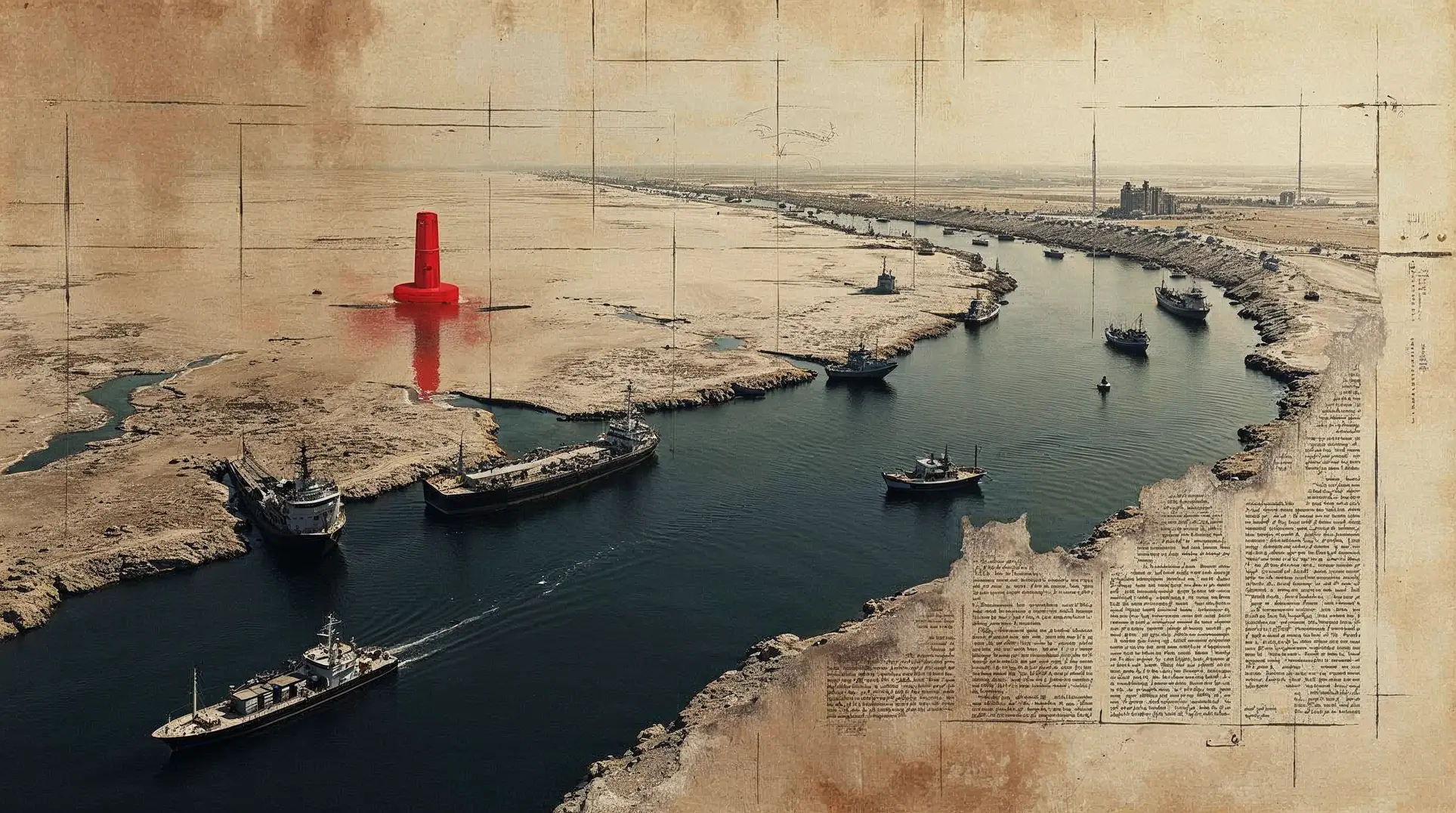
The Strait of Hormuz dispute proved equally intractable. Iran maintains its position on controlling transit through the waterway and charging fees, while the US demands full and safe reopening to commercial shipping. The strait, which carries approximately one-fifth of global oil supply, has been effectively closed since early March following Iran's maritime attacks on commercial vessels.
Vance described the US proposal as its "final and best offer," though he declined to specify what happens next. Trump characterized the situation as "we win, regardless," emphasizing America's military advantage during the six-week conflict that preceded the ceasefire. Iranian officials indicated no plans for another negotiating round until the US agrees to a "reasonable deal."
Members are reading: Why the nuclear program impasse threatens ceasefire viability within days
Next steps uncertain
Pakistan confirmed its continued commitment to mediation despite the talks' failure. The ceasefire's continuation now depends on whether both parties view maintaining the truce as advantageous while exploring alternative diplomatic channels, or whether the fundamental disagreements exposed in Islamabad push the conflict toward renewed military action.
Global energy markets remain disrupted from the Strait's closure, with oil prices elevated and supply chains constrained. The conflict has had significant economic impacts beyond the immediate combat zone, amplifying international pressure for a resolution that addresses maritime access even if broader political issues remain unresolved.
Subscribe to our free newsletter to unlock direct links to all sources used in this article.
We believe you deserve to verify everything we write. That's why we meticulously document every source.


