


Key takeaways
- MoD has written to about 100,000 strategic reservists across the Army, Navy and RAF, The Telegraph reported.
- Ministers call the letters a precaution, not mobilisation; experts say they expose records that lapsed after the Cold War.
- The Armed Forces Bill would raise the recall age to 65 but has not passed; the letters use existing rules.
The UK Ministry of Defence (MoD) has written to about 100,000 strategic reservists, The Telegraph reported on Thursday. These are former service personnel who keep a legal obligation to be recalled in exceptional circumstances. The letters went to the Army, Royal Navy and Royal Air Force (RAF), signed by the service chiefs. The Telegraph says it is the first mailing of its kind since the Cold War. The i Paper reports a lower figure, saying military chiefs have written to around 50,000 veterans.
The MoD, quoted by The Telegraph, calls the letters a "practical step to strengthen preparedness and deterrence, helping reduce the risk of conflict." Headlines in The Telegraph, Metro and LBC said reservists had been told to prepare to be called up for war. Defence Secretary Wes Streeting confirmed the letters on Thursday, telling Sky News that "we are operating in a heightened threat environment" and calling the step "a sensible, necessary precaution". "People should find it reassuring rather than alarming," he said.
What the letters ask for
Recipients are asked to update their contact details and say what work and skills they now have. They are also offered the chance to volunteer for training and exercises. These include the North Atlantic Treaty Organization (NATO) exercise Steadfast Defender in spring 2027. The i Paper says it is held in Belgium and brings together militaries from across the alliance's 32 member countries. Veterans Minister Calvin Bailey said in a written parliamentary answer on 27 October that the MoD planned to invite up to 1,000 strategic reservists, on a voluntary basis and for short periods.
Bailey's statement with the letters says: "These letters do not mean reserves are about to be mobilised. It is simply good housekeeping to make sure we know how to contact those who are eligible and keep up to date on their skills and experience." An Army source told The Telegraph: "Just because you were once a tank driver in the Army, your civilian skills now could be completely different and actually more useful to defence."
The letters rest on existing liability, which the i Paper says currently ends at 55. The Armed Forces Bill, introduced in January, would raise the maximum recall age to 65. It would also allow recall for "warlike preparations", Firstpost and Times Now reported. It has not become law. The government has no current plans for compulsory military service, they added.
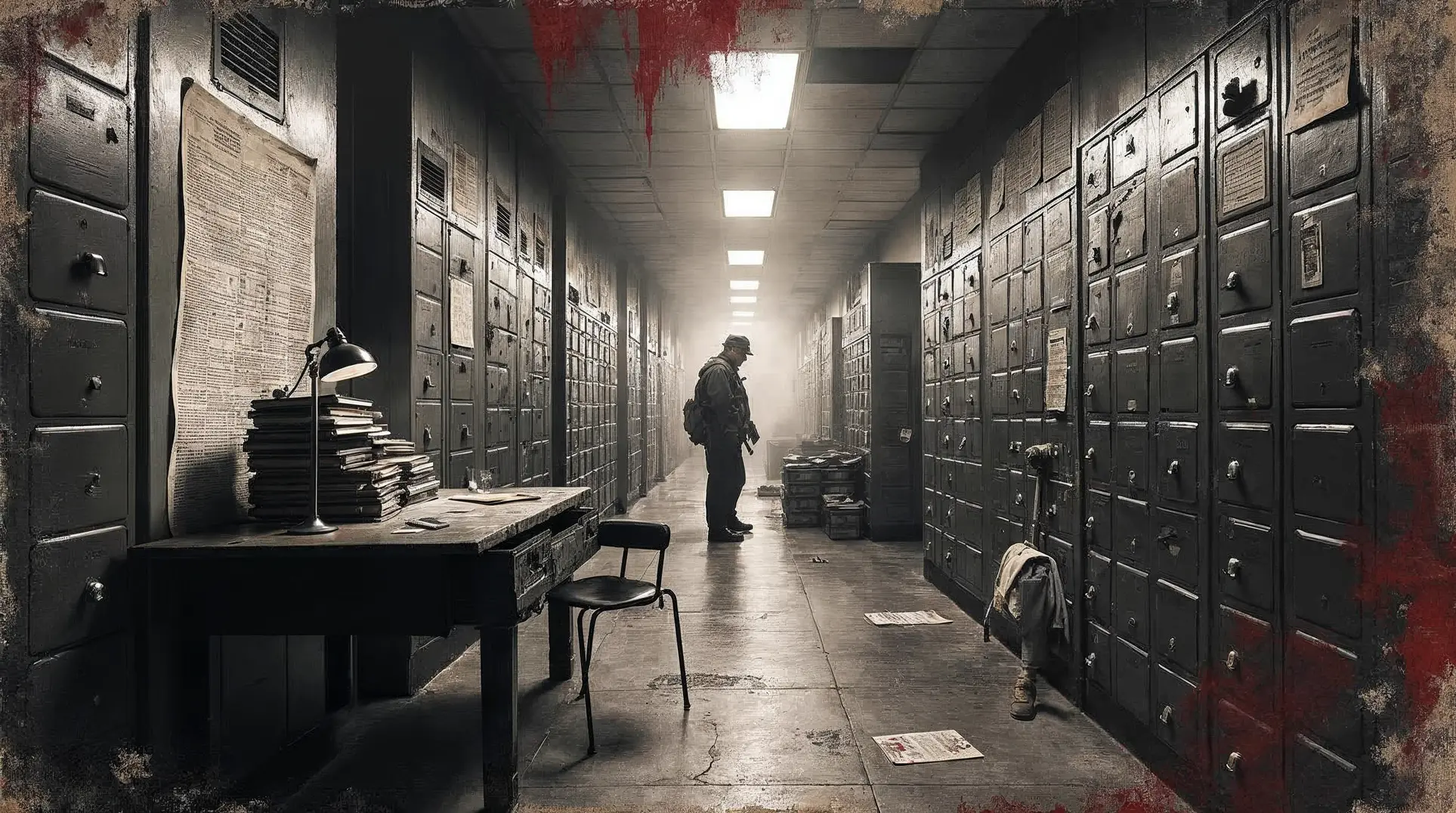
Observers are reading: how Britain's reserve register lapsed since the Cold War, and why experts say a database is not yet a force.
Become an Observer, it's free. Get full access to all Crisis.Zone analysis, briefings and breaking coverage.
What to watch
The test is not the letter but what comes back. Response rates and the quality of the data will show whether a list of names can become usable capacity. The Armed Forces Bill will set the new terms. The bill must receive Royal Assent by 31 December 2026, when the current Armed Forces Act expires. On timing, The i Paper points to the end of this year, while a House of Commons Library briefing, cited by Times Now and Firstpost, points to spring 2027 for the reserve changes to take effect.
Money is a constraint too. The National Audit Office warned on Wednesday that the MoD has "limited assurance" it can deliver its £298 billion Defence Investment Plan, and has mature delivery plans for only £2.4 billion of £10.7 billion in planned efficiency savings, LBC reported. The route to NATO's 3.5% of GDP commitment by 2035 is unclear. That echoes the gap between ambition and capability raised by NATO Secretary General Mark Rutte's warning in December 2025.
Deterrence depends partly on adversaries believing a country can mobilise, so a visible readiness exercise also sends a signal to Moscow. That is analysis, not an official position. Ministers say mobilisation is not imminent. A list of names becomes capability only if it yields trained, willing people.
Become an Observer (it's free) to unlock direct links to all sources used in this article.
We believe you deserve to verify everything we write. That's why we meticulously document every source.


