


Key takeaways
- Counter-terrorism police arrested a 41-year-old US Army soldier near Gloucester on 10 November on suspicion of National Security Act offences.
- Police say the allegations relate to Russia, and the AP, citing U.S., NATO and British officials, reported he was serving in a British-led NATO corps.
- He is unnamed and uncharged; authorities have not said what information is alleged to have been obtained or disclosed.
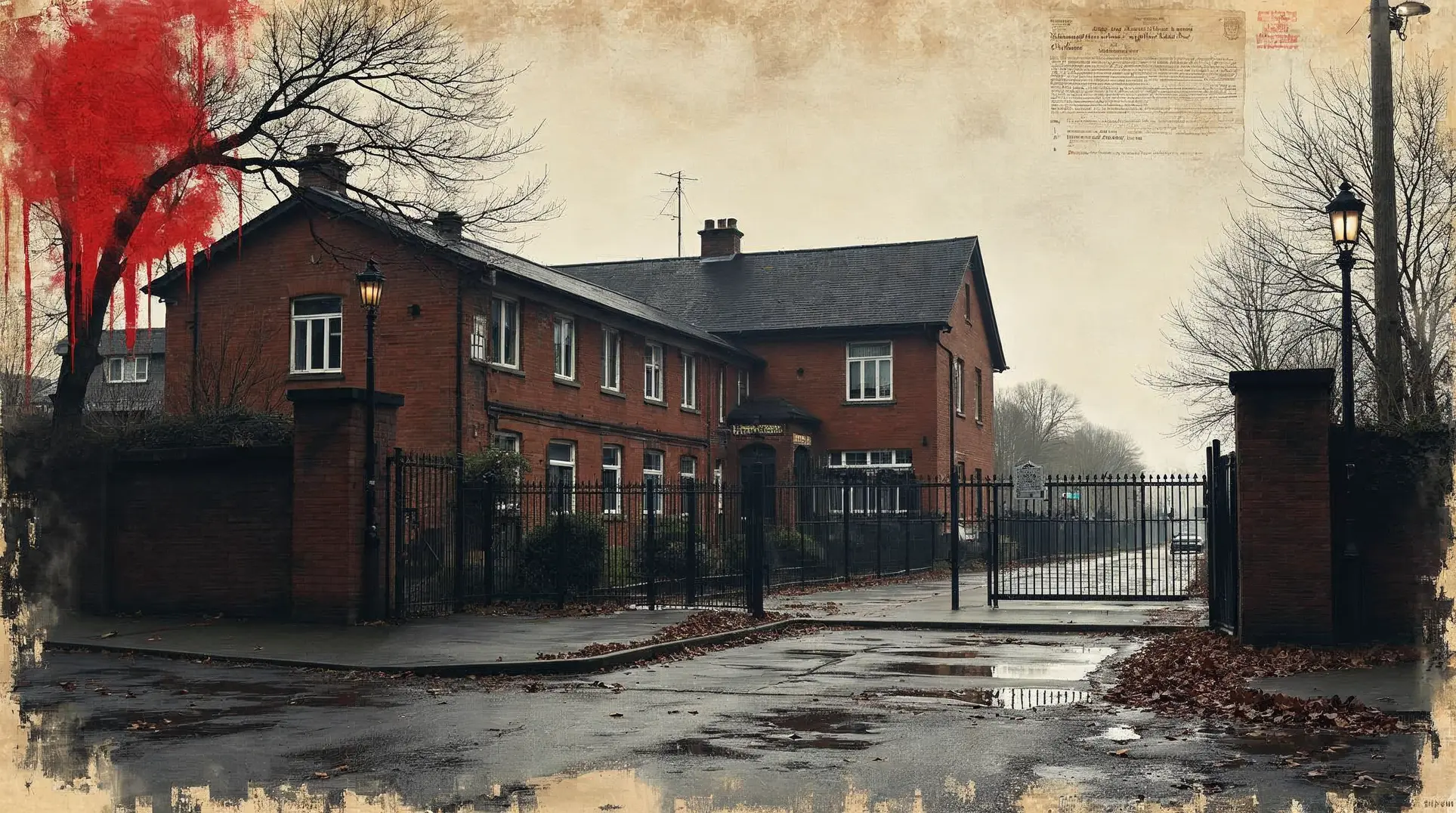
Counter Terrorism Policing London, part of the Metropolitan Police, arrested a 41-year-old member of the US Army near Gloucester in western England on Tuesday 10 November. He is held on suspicion of offences under Section 1 and Section 3 of the National Security Act 2023. CNN, Reuters and NBC describe Section 1 as covering obtaining or disclosing "protected information". Section 3 concerns "assisting a foreign intelligence service". The police statement said: "The country to which the allegations relate is Russia." The Associated Press reported, citing a U.S. official, a senior NATO official and a British government official, that the soldier was serving in the Allied Rapid Reaction Corps (ARRC), a British-led NATO corps, at Imjin Barracks near Gloucester.
The man remains in custody at a London police station. He has not been named or charged. Officers are searching two locations in Gloucestershire. The police said the arrest was made as part of an investigation "working closely with US authorities, US Military and the FBI" (the Federal Bureau of Investigation). They also said the case "is not linked to any other ongoing Counter Terrorism Policing investigations".
Who the soldier is, and who says so
The police statement does not name his unit. Several sources describe him, and each account has its own origin.
Brig. Gen. Sean Stinchon, commanding general of US Army Counterintelligence Command, described him as a "senior soldier" in the joint release, according to CNN. The Associated Press, citing a US official, reported that he is an officer. The ARRC assignment comes from a senior NATO official quoted by CNN and from the three officials cited by the AP. NBC News, citing three people familiar with the matter, also placed him at the ARRC headquarters at Imjin Barracks. The Guardian, citing the BBC, reported that he was based at Imjin Barracks in Innsworth, Gloucestershire, the ARRC headquarters, though the BBC's own wording was that it "understands" this to be the case.
Stinchon said: "The alleged conduct of a senior soldier, entrusted with sensitive information, is a sobering reminder that insider threats are real and persistent." Deputy Assistant Commissioner Vicki Evans, Senior National Coordinator for Counter Terrorism Policing, said in a Metropolitan Police statement published on 10 November: "The allegations are serious and our investigation is very much ongoing."
DW describes the county as home to several sensitive military and intelligence sites. Neighbouring Cheltenham hosts GCHQ, Britain's signals intelligence agency.
Observers are reading: how an alleged insider case inside a NATO command structure differs from the Iran-linked base threats, and what the partnership signals.
Become an Observer, it's free. Get full access to all Crisis.Zone analysis, briefings and breaking coverage.
What the public record does not show
Authorities have not said what information is alleged to have been obtained or disclosed. They have not said whether it reached Russian intelligence, or when the alleged conduct began. CNN said it asked Russia's embassies in Washington and London for comment, and no Russian response has been reported. US Army Europe and Africa said it could not comment on the ongoing investigation, Stars and Stripes reported.
Four developments will show how far the case goes. The first is whether he is charged or released. The second is whether the US Army or NATO officially names his unit. The third is whether Russia responds. The fourth is whether any details of the alleged information emerge. Until then, everything above is an allegation, and nothing has been tested in court.
Become an Observer (it's free) to unlock direct links to all sources used in this article.
We believe you deserve to verify everything we write. That's why we meticulously document every source.


