


Flooding and landslides triggered by tropical storms have killed more than 1,000 people across Southeast Asia and Sri Lanka, with national disaster agencies reporting at least 502 dead in Indonesia, 334 in Sri Lanka, and 145 in Thailand as of December 1, 2025. The provisional figures continue to climb as rescue teams gain access to isolated communities, and officials caution that hundreds remain missing across the region.
The simultaneous disasters have stretched emergency response systems to breaking point. Finite numbers of helicopters, boats, and specialized rescue personnel are being deployed across multiple countries at once, creating severe bottlenecks in search-and-rescue operations and aid delivery. The cascading crises have exposed critical surge-capacity limitations across the region, even as meteorological agencies warn that heavy rainfall will continue and secondary hazards remain acute.
Indonesia bears heaviest toll as Sumatra communities remain cut off
Indonesia's national disaster management agency reports at least 502 deaths, 508 missing, and approximately 2,500 injured, with the hardest-hit areas concentrated across North Sumatra, West Sumatra, and Aceh provinces. Cyclone Senyar—a rare tropical storm that formed in the Malacca Strait—drove catastrophic flooding and landslides across the island's mountainous interior, where saturated soils on steep terrain amplified the risk of slope failures.
Multiple Sumatran districts remain accessible only by helicopter or boat after roads and bridges collapsed. Displacement is approaching 300,000 people, with power and telecommunications networks disrupted across large swaths of territory. Reports from affected areas indicate that delayed aid delivery has triggered isolated incidents of looting, underscoring growing public frustration with the pace of government response. President Prabowo Subianto has visited affected zones, and military airlift operations are underway, though volunteer networks are conducting last-mile delivery on foot and by motorbike where infrastructure has been severed. Starlink satellite devices have been deployed to restore limited communications access in Aceh province.
Sri Lanka and Thailand grapple with mass displacement
In Sri Lanka, Cyclone Ditwah triggered landslides and widespread flooding that have killed at least 334 people, with 191 still missing, according to government officials. More than 147,000 people are sheltering in state facilities, and low-lying districts of Colombo have sustained extensive damage. National meteorological services continue to issue heavy rain warnings, and officials have cautioned that the risk of further landslides remains elevated as soils remain saturated.
Thailand's southern provinces have recorded at least 145 deaths, with some government agencies reporting higher tolls approaching 176. An estimated 3.6 million people have been affected and more than 1.25 million households impacted, primarily in Songkhla province and the regional hub of Hat Yai. The city experienced once-in-300-year rainfall totaling approximately 335 millimeters in a single day, overwhelming drainage systems and disrupting a major trade and travel corridor. Emergency shelters have been opened, and morgue capacity has been strained in some areas. Military airlift operations and naval assets are being deployed to reach isolated communities, though officials acknowledge that response timelines have been hampered by simultaneous demands across multiple provinces.
Malaysia has reported at least two deaths and tens of thousands evacuated in northern and peninsular states, including Perlis, where river levels remain high and localized infrastructure damage has been documented.
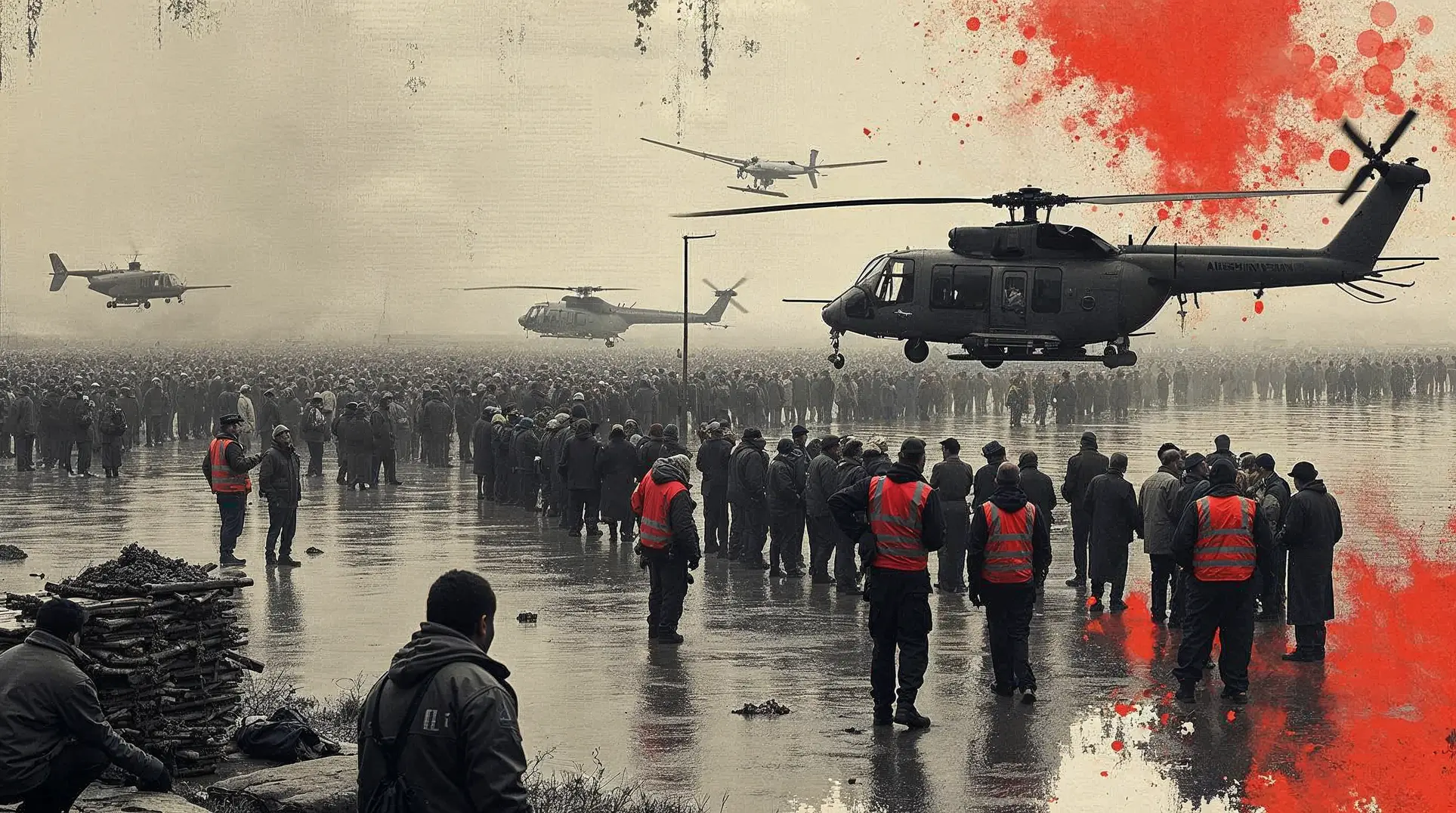
Members are reading: How finite rescue assets and coordination gaps are prolonging exposure to secondary risks across the region.
Outlook: rising tolls and secondary hazards ahead
Casualty figures are expected to climb as rescue teams gain access to remote communities in Sumatra and southern Thailand. Meteorological agencies continue to issue warnings for heavy rainfall across Sri Lanka and portions of Indonesia and Thailand, raising concerns about additional landslides in areas where soils remain saturated. Dam safety and overflow risks are being closely monitored, and power restoration timelines remain uncertain in multiple affected areas.
Immediate humanitarian priorities include expanding shelter capacity, ensuring access to potable water and food, providing medical care, and accelerating debris clearance to restore road access. Disease surveillance in crowded displacement camps is a growing concern, and public health officials are deploying mobile clinics to high-risk areas. The operational challenge in the coming days will be scaling aid delivery to match the geographic spread and intensity of need, while managing the risk of secondary disasters as rainfall persists.
Subscribe to our free newsletter to unlock direct links to all sources used in this article.
We believe you deserve to verify everything we write. That's why we meticulously document every source.


