


Jama'at Nasr al-Islam wal Muslimin (JNIM) and the Tuareg-led Azawad Liberation Front (FLA) claimed responsibility Saturday for coordinated attacks across Mali's capital Bamako and at least four other cities. The Al Qaeda-affiliated group and Tuareg separatists struck army positions near Bamako's airport, the main military base in Kati, and installations in Kidal, Gao, Mopti, and Sevare, according to statements from both groups.
This marks the largest coordinated assault in Mali in years and signals a rare operational alliance between JNIM and Tuareg rebels, who previously collaborated during the 2012 crisis. The Malian army stated soldiers were "engaged in eliminating the attackers" and later declared the situation "under control," though FLA spokesperson Mohamed Elmaouloud Ramadane claimed control of positions in Kidal and parts of Gao.
Latest situation update
FLA fighters circulated videos allegedly showing their forces inside the governor's office in Kidal and a Malian Air Force helicopter shot down in the Gao Region. The authenticity of these videos could not be independently verified at publication time. Russian-backed Africa Corps mercenaries are reported fighting alongside Malian forces in several locations, including Bamako, according to security sources tracking the conflict.
The targeting of Kidal carries particular symbolic weight. Malian forces and Russian mercenaries recaptured the city from separatists in 2023 after it had served as a rebel stronghold for years. Its alleged seizure by FLA forces would represent a significant tactical and propaganda victory for the separatist movement. The withdrawal of UN peacekeepers (MINUSMA) in 2023 created security vacuums that JNIM has exploited through increased offensives across the region, including sustained blockades and territorial expansion.
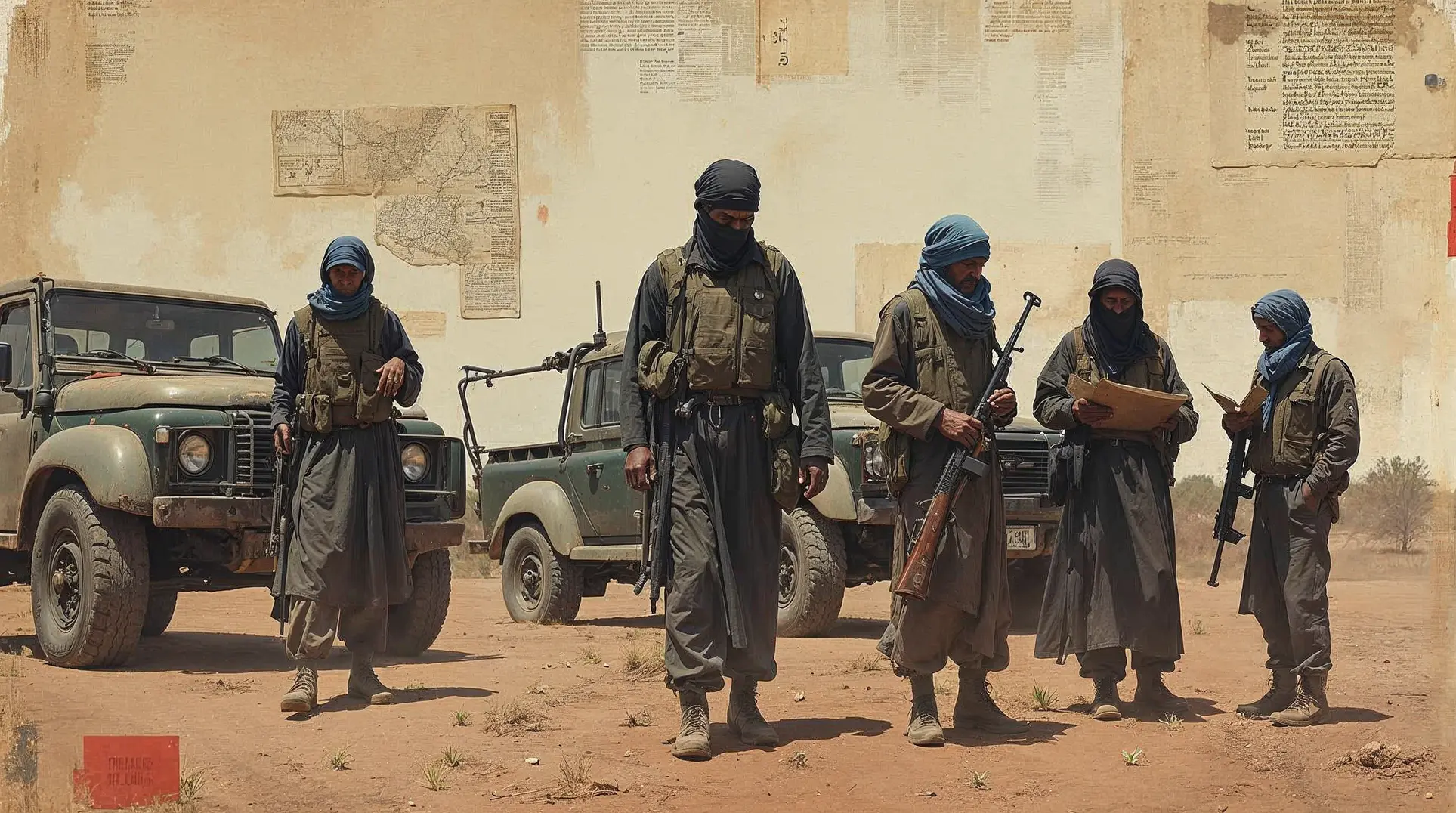
Members are reading: How the JNIM-Tuareg alliance could fundamentally alter Mali's security landscape.
Regional implications
Mali has faced escalating violence since military officers seized power in 2020 and 2021, promising improved security but presiding over continued attacks. The junta expelled French forces and UN peacekeepers while deepening security partnerships with Russia's Africa Corps. Saturday's coordinated assault tests this strategy, demonstrating that insurgent groups retain the capacity for complex operations despite increased military pressure.
The attacks echo broader Sahel instability patterns. Similar coordinated operations have targeted security forces across the region, from Nigerian military bases to installations in Burkina Faso. Mali's experience suggests the post-French security architecture—characterized by Russian mercenary presence and reduced international oversight—has not reversed jihadist and separatist momentum. The coming days will reveal whether Saturday's attacks represent a one-time maximum effort or the opening phase of sustained coordinated operations by groups that have traditionally competed as much as they've fought the state.
Subscribe to our free newsletter to unlock direct links to all sources used in this article.
We believe you deserve to verify everything we write. That's why we meticulously document every source.


