


At least nine protesters were killed and dozens injured when crowds stormed the United States Consulate in Karachi, Pakistan, following news that Iranian Supreme Leader Ayatollah Ali Khamenei died in a joint U.S.-Israeli military strike. Hospital officials reported treating casualties from the clashes with Pakistani security forces deployed to defend the diplomatic compound.
The attack on the consulate represents the first deadly spillover of the U.S.-Israel military action against Iran into a third country. Pakistan, home to an estimated 20-30 million Shi'ite Muslims—the world's second-largest Shi'ite population after Iran—has become an immediate flashpoint as news of Khamenei's death spreads across the region.
The Karachi assault
Protesters breached the outer wall of the U.S. Consulate compound in Karachi around midday local time, setting at least one vehicle ablaze and attempting to force entry into the main building. Video footage circulating on social media showed thick black smoke rising from the compound and the sound of sustained gunfire.
A spokesman for the Sindh provincial government confirmed that security forces, including paramilitary Rangers, pushed protesters back from the consulate perimeter after several hours of confrontation. U.S. consular staff were withdrawn to secure areas within the compound as the situation escalated.
Pakistani authorities have not disclosed whether the fatal gunfire came from security forces or armed elements within the crowd. Local hospital officials reported treating more than 40 injured individuals, many with gunshot wounds and others suffering from smoke inhalation and blunt trauma.
Regional protests expand
The Karachi incident was not isolated. In Skardu, a city in Pakistan's northern Gilgit-Baltistan region with a significant Shi'ite majority, protesters set fire to a United Nations office building. Local media reported that police used tear gas to disperse crowds but made no arrests.
In Baghdad, pro-Iranian demonstrators gathered near the heavily fortified Green Zone, which houses the U.S. Embassy and Iraqi government buildings. Iraqi security forces established additional checkpoints around the zone, though the protests remained largely contained and non-violent as of early evening.
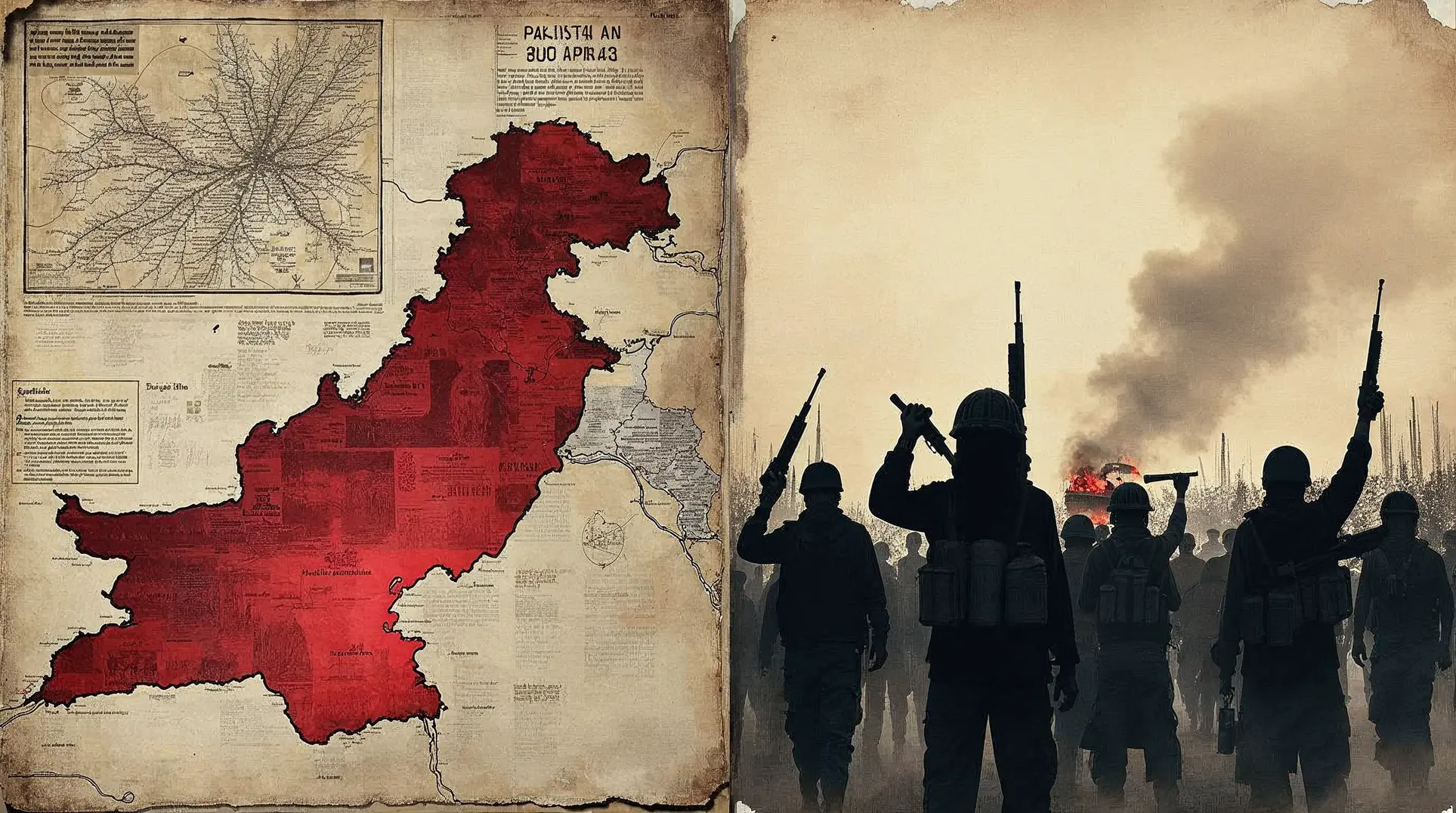
Members are reading: How Pakistan's sectarian landscape creates a new front in the U.S.-Iran conflict that Islamabad cannot control
The Karachi attack demonstrates how rapidly the consequences of Khamenei's killing are radiating beyond Iran's borders, turning countries with significant Shi'ite populations into potential theaters of confrontation. For Pakistan, already managing insurgencies and economic crisis, the U.S.-Iran escalation has opened a dangerous internal vulnerability. The deaths in Karachi are unlikely to be the last as news of the Iranian leader's death continues to spread across communities throughout South Asia and the Middle East. Regional governments now face the question of how to contain public anger over an operation they had no role in authorizing.
Subscribe to our free newsletter to unlock direct links to all sources used in this article.
We believe you deserve to verify everything we write. That's why we meticulously document every source.


