


A British national and a Greek national have each been sentenced to 16 years in prison for running a weapons trafficking network that sought to arm conflicts in Sudan, South Sudan, Libya, Iran, Iraq and Syria over roughly seven years, in one of the most significant arms trafficking sentences in UK legal history. David Greenhalgh, 68, of Croydon, south London, and Christos Farmakis, 48, a Greek national, were sentenced on 23 September 2026 at Southwark Crown Court under the Export Control Order 2008, the regulation that governs UK arms brokering both at home and abroad.
Judge HHJ Sally-Ann Hales KC, sentencing Greenhalgh on 10 counts and Farmakis in absentia on 9 counts, described the offending as "deliberate, sophisticated, financially motivated and persisted over many years." Combined, the sentences total 32 years, reached through consecutive sentencing on two counts because the statutory maximum for any single offence under the order is 10 years. The case answers a specific question about UK enforcement capacity: can the Export Control Order 2008 reach a British national who routes his business through overseas shell companies, forged documents and foreign officials? The court's answer, after a seven-year HMRC investigation, was yes, but the mechanics of how that answer was reached expose real limits.
The one deal that was completed
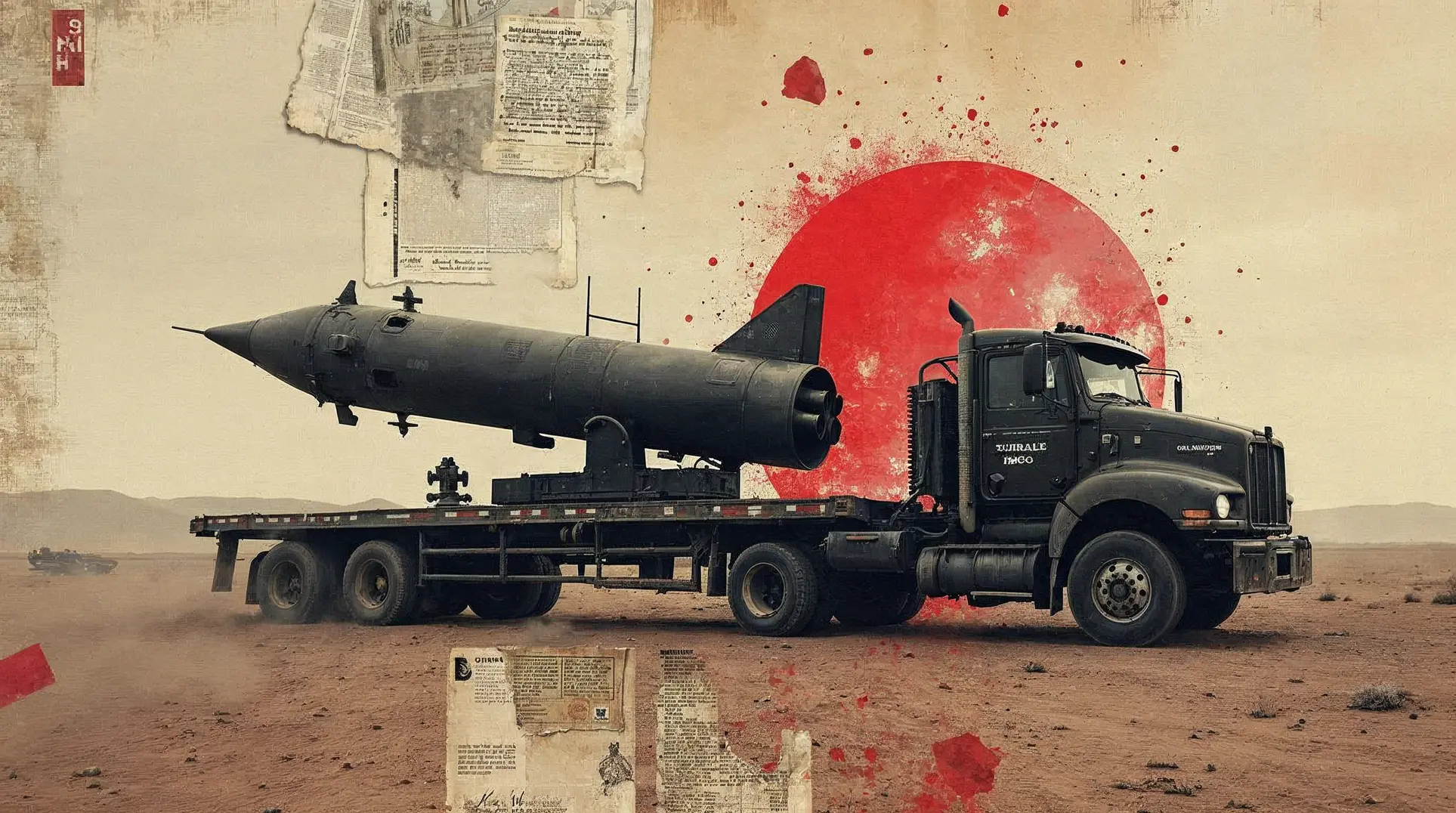
Of the 13 counts across both defendants, only one involved an actual transfer of weapons rather than brokering or promotion. Count 1 concerned the sale of a former Ukrainian S-125 Pechora surface-to-air missile system and associated radar equipment to South Sudan, before its independence in July 2011, when the territory remained subject to a UK arms embargo as part of Sudan. Greenhalgh and Farmakis bought the system for roughly $73 million and sold it for approximately $200 million, a potential profit of around $127 million. They disguised the transaction using a front company called Cascade Construction and forged Ugandan end-user certificates to obscure the true destination. Prosecutors said the pair had "very close connections to senior figures" in South Sudan, a country that descended into civil war in 2013, two years after independence, in a conflict that has killed an estimated 400,000 people.
Observers are reading: how the accidental email forward that unravelled the case reveals HMRC's dependence on chance discovery over systematic detection.
Become an Observer — it's free. Get full access to all Crisis.Zone analysis, briefings and breaking coverage.
What the sentence means for enforcement
Farmakis was tried and sentenced in absentia, unrepresented, after absconding before trial. He is believed to remain in Greece, and a warrant for his arrest has been issued; HMRC says it is working with international partners on extradition. The investigation itself took seven years to complete, triggered when Farmakis's email account inadvertently forwarded an arms deal message to his boss at GLE.
That timeline matters. The Export Control Order 2008 gave the Crown Prosecution Service and HMRC a legal basis to convict a UK national for conduct routed through subsidiaries in Greece, North Macedonia and South Sudan, an assertion of extraterritorial reach that Japan's own recent move to ease its arms export restrictions makes clear is unusual: many states struggle to draw, let alone enforce, a bright line between licensed brokering and illegal trafficking once deals cross borders. HMRC Deputy Director Edwige Hill said Greenhalgh "knowingly and repeatedly circumvented those controls, forging documents and routing deals through overseas companies to evade detection." Judge Hales was explicit that "the need for deterrence in cases of this kind is particularly strong."
Whether a 16-year sentence achieves that deterrence, or simply teaches the next broker to avoid a government-linked email account, is a question this case cannot answer on its own. What it suggests is that the UK's export control architecture can, after years of sustained investigative effort, penetrate sophisticated shell-company structures built specifically to defeat it. Farmakis's continued liberty in Greece, and the seven years it took to get this far, are the other half of that record.
Become an Observer — it's free — to unlock direct links to all sources used in this article.
We believe you deserve to verify everything we write. That's why we meticulously document every source.


