


The story appeared too dramatic to be true: 91 drones targeting a Russian presidential residence in the Novgorod region, just hours after President Donald Trump met with Ukrainian President Volodymyr Zelenskyy to discuss peace terms. Russia's claim, made on December 29, 2025, seemed designed to dominate headlines and reset the diplomatic chessboard. By January 4, 2026, Trump had seen enough. "I don't believe that strike happened," he told reporters aboard Air Force One, adding that something occurred "fairly nearby, but had nothing to do with this." The statement, backed by U.S. intelligence assessments, represented a calculated refusal to play Moscow's game.
This episode illuminates a fundamental tension in the Ukraine conflict: the gap between Russia's information operations and its kinetic strategy. While the world debated the veracity of the alleged assassination attempt, Russian missiles and drones struck Kyiv on January 5, killing two civilians—the first fatalities in the capital this year. The contrast matters. One event is theater, designed to manipulate perceptions and diplomatic positioning. The other is the blunt instrument of state power, creating facts through violence. Understanding which signal to follow determines whether Western policy responds to reality or to carefully crafted illusion.
The anatomy of a strategic probe
The timing of Russia's claim reveals its purpose. Moscow announced the alleged drone attack within hours of the Trump-Zelenskyy meeting, a synchronization too precise to be coincidental. Kyiv immediately recognized the pattern, viewing it as deliberate provocation designed to complicate nascent peace efforts. The Kremlin explicitly threatened to "review its negotiating position" based on the incident, transforming an unverified claim into diplomatic leverage.
From a realist perspective, the claim's truthfulness is secondary to its utility. Russia deployed a low-cost, high-impact probe with multiple strategic objectives: testing the Trump administration's analytical judgment, driving a wedge between Washington and Kyiv, and establishing a pretext to either derail negotiations or justify harder terms. The operation required minimal resources—merely the assertion itself—while potentially yielding maximum diplomatic disruption.
The gambit also served narrative purposes. By casting Ukraine as an aggressor willing to target Putin personally, Moscow positioned itself as the aggrieved party in peace talks. This framing inverts the fundamental reality of the conflict while creating space for Russia to demand concessions as the price of continued dialogue.
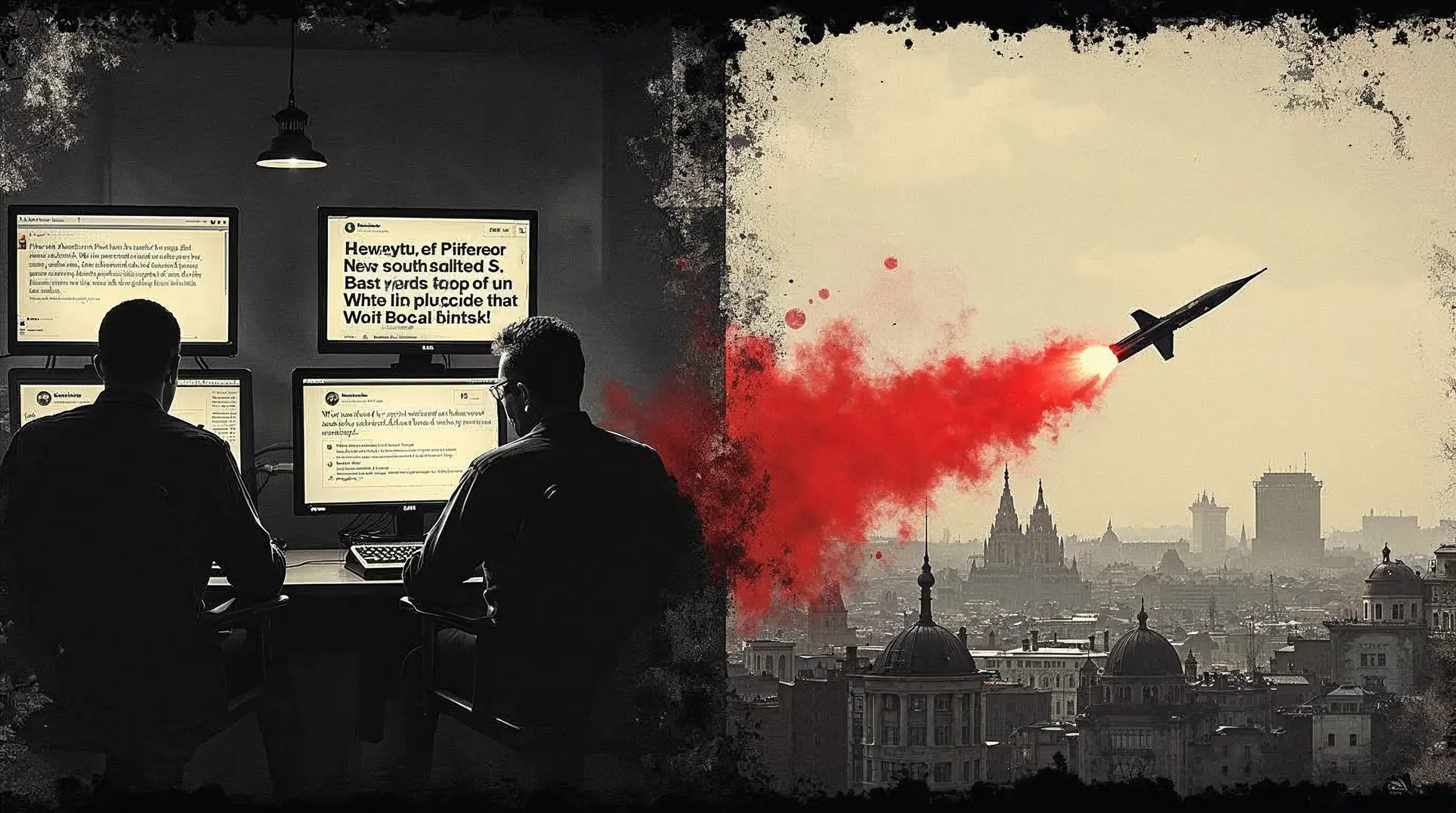
Members are reading: How Russia's coordinated disinformation and kinetic strikes fragment Western focus and create exploitable diplomatic divergences.
Signal versus noise in strategic assessment
Trump's dismissal of the residence claim represents a consequential choice in analytical discipline. By aligning with intelligence assessments rather than reacting to the allegation's superficial drama, the administration refused to be drawn into Russia's preferred narrative space. This matters because state resources and diplomatic capital are finite; expending them on phantom provocations weakens capacity to address genuine threats.
The distinction between signal and noise in this context is clear. The signal is the Kyiv strike—verifiable, deadly, and consistent with Russia's established pattern of using drone and missile attacks to maintain pressure during diplomatic periods. The noise is the residence claim—spectacular, unverifiable, and inconsistent with Ukraine's demonstrated strike doctrine, which has focused on military and energy infrastructure rather than symbolic assassinations.
Western policy effectiveness depends on maintaining this distinction. Russia's information operations succeed when they force adversaries to treat fabrications with the same seriousness as genuine developments, consuming analytical resources and creating decision paralysis. By publicly rejecting the claim, Trump denied Moscow the diplomatic crisis it sought to manufacture.
The negotiation underneath the negotiation
The broader implication extends beyond this single incident. As peace talks progress, Russia will continue operating on both tracks simultaneously. Negotiators will sit across tables discussing ceasefires and territorial arrangements while missiles and drones enforce Moscow's preferred terms through violence. The information space will remain saturated with claims designed to confuse, divide, and manipulate.
The challenge for Western policymakers is maintaining focus on material realities rather than curated narratives. The civilians killed in Kyiv on January 5 represent a more honest signal of Russia's strategic intent than any claim about drones over Novgorod. Moscow is negotiating with high explosives, creating conditions on the ground that constrain Ukraine's options while using information operations to shape perceptions of who bears responsibility for continued violence.
In the complex theater of great power competition, distinguishing between what states say and what they do remains the fundamental analytical task. Russia says it faces Ukrainian aggression against its leadership; it does strike civilian areas in Kyiv. The former is performance; the latter is policy. Effective strategy requires responding to the reality, not the theater.
Subscribe to our free newsletter to unlock direct links to all sources used in this article.
We believe you deserve to verify everything we write. That's why we meticulously document every source.


