


Ukraine received 1,000 bodies and remains claimed by Russia to be Ukrainian service members on February 26, according to the country's Coordination Headquarters for the Treatment of Prisoners of War. In return, Russia received 35 bodies of its soldiers, Kremlin aide Vladimir Medinsky confirmed, marking the second large-scale body exchange in early 2026.
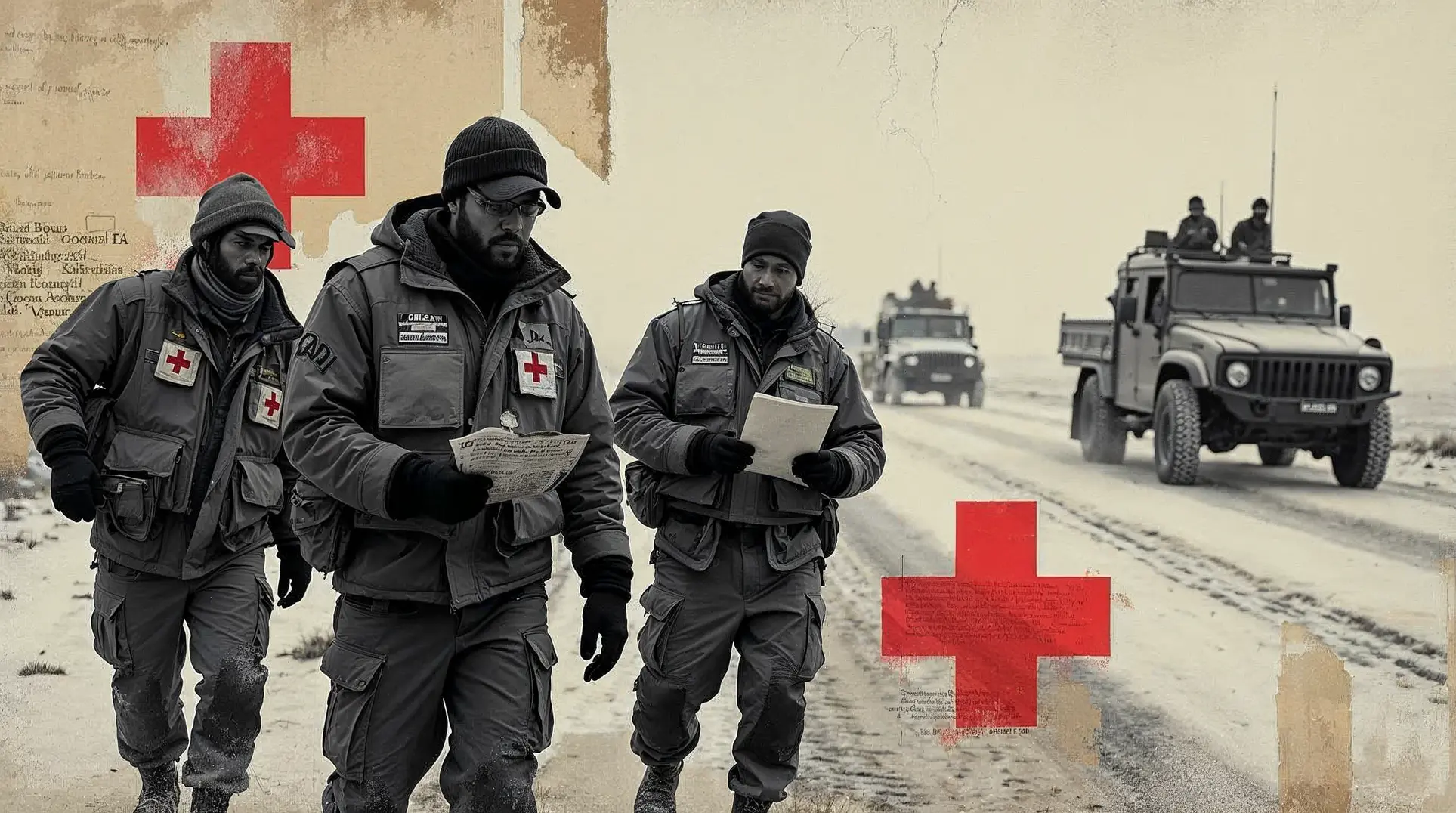
The exchange follows a similar repatriation on January 29, when Ukraine received 1,000 bodies while returning 38 Russian remains. The International Red Cross facilitated both transfers, which continue a pattern of humanitarian cooperation established through the Istanbul Agreements signed in June 2025. Ukrainian authorities have begun forensic identification of the remains.
Humanitarian corridor persists
The body exchanges represent one of the few areas where bilateral cooperation between Kyiv and Moscow has functioned consistently since the full-scale invasion began in February 2022. Thousands of remains have been transferred through Red Cross mediation and bilateral agreements since mid-2025, operating on a parallel track to broader diplomatic efforts.
The stark disparity in numbers—Ukraine receiving 1,000 bodies against Russia's 35—underscores the asymmetric human cost of the conflict and the differing casualty figures between the two sides. The exchanges provide families with closure and allow proper burial according to cultural traditions, functioning as humanitarian relief even as combat operations continue across multiple sectors of the front.
Members are reading: How body exchanges function as strategic insurance against diplomatic collapse and what patterns reveal about negotiating intent
Families await identification
Ukrainian forensic teams are now working to identify the remains received on February 26, a process that can take weeks or months depending on the condition of the bodies and available DNA samples from family members. The Coordination Headquarters has not provided details on the condition of the remains or the circumstances in which the individuals died.
The February 26 exchange demonstrates that the institutional mechanisms established through international mediation continue to function, even as broader peace efforts remain fragile and progress uncertain. Whether this humanitarian cooperation can serve as foundation for more comprehensive diplomatic breakthroughs, or will remain an isolated channel of limited cooperation, depends on developments in negotiations that have yet to produce movement on the core issues defining the conflict's strategic dimensions.
Subscribe to our free newsletter to unlock direct links to all sources used in this article.
We believe you deserve to verify everything we write. That's why we meticulously document every source.


