


The Pentagon canceled a planned deployment of approximately 4,000 US troops to Poland despite advanced elements already on the ground and equipment in transit. The 2nd Armored Brigade Combat Team, 1st Cavalry Division was to conduct temporary rotations supporting NATO's eastern flank presence. Defense Secretary Pete Hegseth provided no public explanation, while a Pentagon statement citing a "comprehensive, multilayered process" contrasted sharply with reports that the move surprised both US and European officials.
The cancellation follows the earlier withdrawal of roughly 5,000 troops from Germany, creating a pattern of unilateral force reduction that directly impacts NATO's eastern deterrence posture. Multiple sources link both decisions to President Trump's frustration with European allies over their refusal to support US operations in the Iran conflict, alongside his longstanding advocacy for deeper European defense burden-sharing. For Poland and other frontline states facing Russia, the abrupt reversal raises fundamental questions about the durability of American security commitments at a moment when they are needed most.
Operational opacity compounds alliance concerns
The lack of transparency surrounding the cancellation amplifies its strategic impact. US military officials reportedly learned of the decision with minimal advance notice. Poland's defense minister publicly downplayed the issue, but other Polish officials expressed surprise, according to the Kyiv Independent. The discrepancy between public reassurance and private concern reflects a familiar pattern among eastern flank allies: maintaining confidence in the alliance publicly while confronting growing doubts privately.
Approximately 7,400 US troops currently rotate through Poland, with V Corps maintaining its forward headquarters in Poznan. The canceled deployment would have reinforced this presence during a period of heightened tensions. Whether the Poland cancellation represents a net reduction in European force levels or was intended to offset the Germany withdrawal remains unclear. This ambiguity—whether deliberate or inadvertent—erodes the predictability that underpins deterrence credibility.
President Trump has threatened to extend troop withdrawals to Italy and Spain unless they align with administration objectives, particularly concerning the Iran conflict. The stated long-term goal envisions European allies assuming primary responsibility for their own defense, with US forces reduced closer to pre-2022 levels, before Russia's full-scale invasion of Ukraine. The policy rationale may be defensible in principle, but the execution—characterized by sudden reversals and minimal consultation—undermines the very alliance cohesion it purports to strengthen.
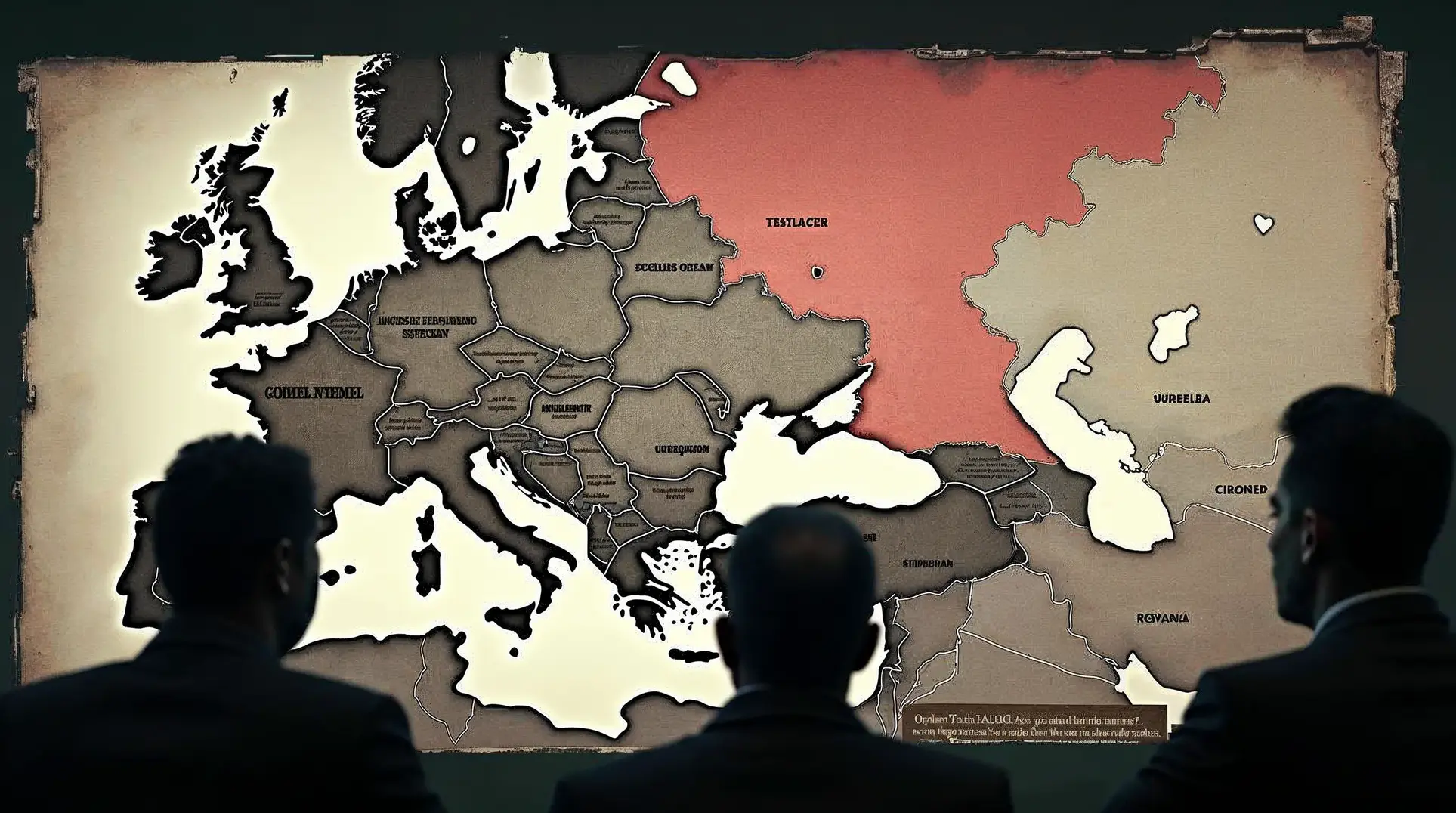
Members are reading: How the operational unpredictability of US force deployments undermines deterrence credibility on NATO's eastern flank, regardless of overall troop numbers.
Eastern flank calculus shifts
The cancellation forces a recalibration among eastern European allies. The strategic question is no longer whether US troop levels will fluctuate—rotational deployments have always been variable—but whether American decision-making processes remain stable enough to anchor long-term defense planning. Allies can adapt to lower force levels if those reductions follow predictable timelines and transparent strategic rationales. They cannot effectively plan for security environments where deployments are canceled mid-execution without explanation.
This uncertainty benefits adversaries. Moscow has consistently sought to demonstrate that NATO's eastern presence is fragile and subject to American political whims rather than durable strategic commitment. The Poland cancellation provides evidence for that narrative. Whether the Trump administration's broader recalibration of European force posture proves strategically sound will depend on execution. At present, the approach is generating precisely the alliance fractures that weaken collective defense, while the promised European assumption of greater responsibility remains aspirational rather than operational.
Subscribe to our free newsletter to unlock direct links to all sources used in this article.
We believe you deserve to verify everything we write. That's why we meticulously document every source.


