


NATO has completed the full withdrawal of its advisory mission from Iraq, relocating several hundred personnel to a military headquarters in Naples, Italy, following a series of Iranian attacks on member bases in the region. The withdrawal, announced Friday, March 20, 2026, by U.S. Air Force Gen. Alexus Grynkewich, NATO's Supreme Allied Commander Europe, marks the suspension of the alliance's non-combat training mission established in 2018 to support Iraqi security forces against ISIS resurgence.
The decision follows Iranian strikes on British, French, and Italian bases in northern Iraq as the U.S.-Israeli conflict with Tehran continues into its third week. NATO described the move as a "posture adjustment" rather than mission termination, emphasizing that political dialogue and practical cooperation with Iraq will continue. The relocation underscores the widening security impact of the Iran war on international operations across the Middle East.
Coordinated pull-back reflects broader European retreat
The NATO withdrawal accelerates a trend already visible at the national level. Poland, Spain, and Croatia had previously announced independent troop withdrawals from the region as the Iran conflict intensified. Germany temporarily withdrew Bundeswehr troops from Erbil in mid-February after Iranian counterattacks targeted its bases in Iraq and Jordan. Europe's divided response to the Iran war has exposed fundamental disagreements about how far member states are willing to extend their military commitments in conflicts initiated by Washington.
The coordinated NATO-level decision suggests alliance leadership concluded that individual national withdrawals risked creating an untenable security situation for remaining personnel. By relocating the mission in its entirety, NATO maintains institutional cohesion while acknowledging that the operational environment in Iraq has become incompatible with a non-combat advisory role. Iranian threats to strike European countries and cities if they joined the conflict further complicated the calculus for keeping troops in exposed forward positions.
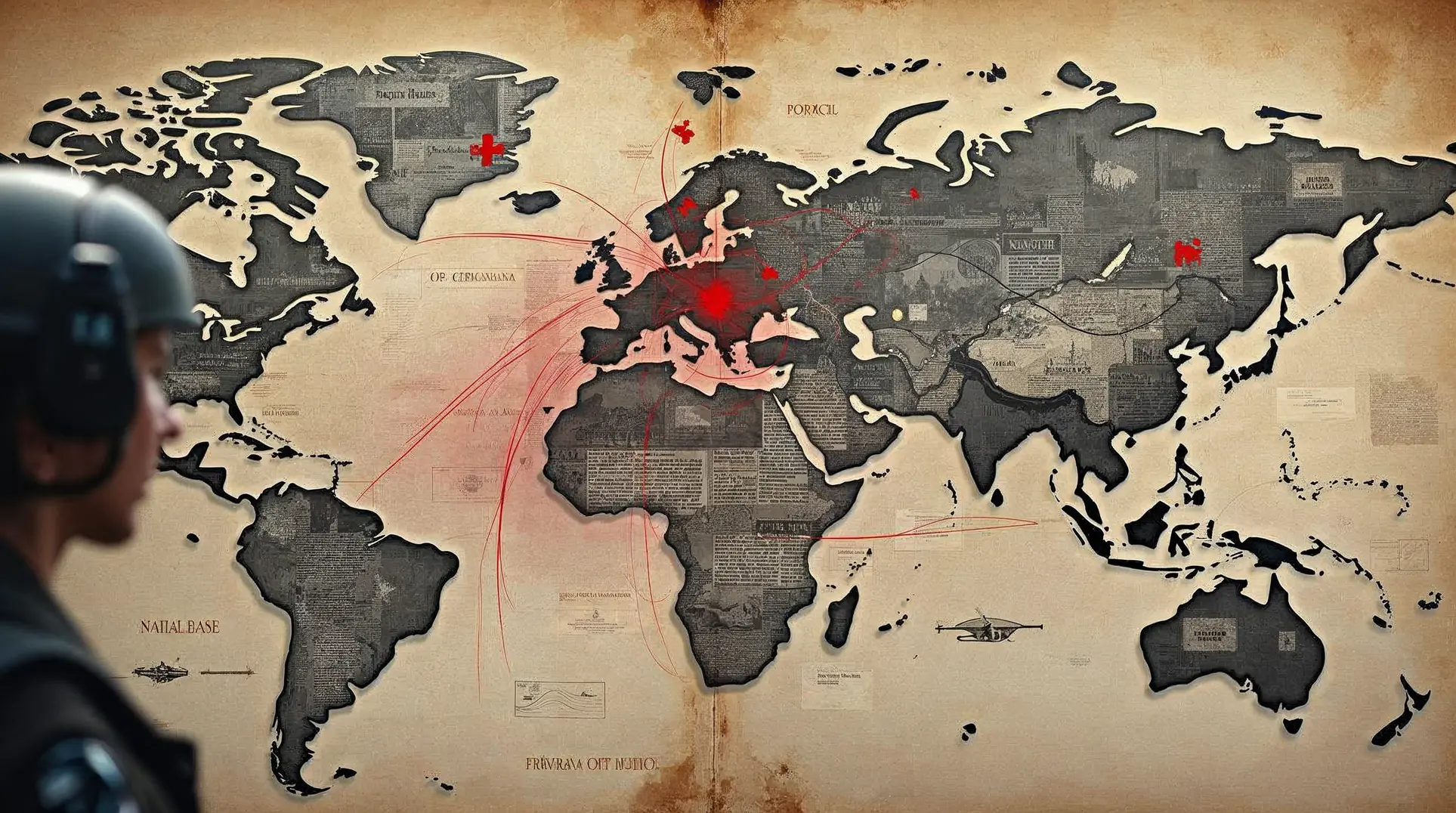
Members are reading: How the withdrawal reveals NATO's vulnerability in contested environments for advisory missions and what it means for future out-of-area operations.
Strategic implications for Iraq and regional stability
The NATO departure removes several hundred personnel who had been advising Iraqi security forces on counterterrorism, institutional capacity-building, and coordination mechanisms designed to prevent ISIS resurgence. While NATO emphasizes continued political cooperation, the absence of on-ground trainers will degrade Iraqi capabilities over time, particularly in specialized areas like intelligence fusion and joint operations planning. ISIS activity in Iraq remains persistent despite territorial defeat, and the group has historically exploited security vacuums created by international force withdrawals.
For Iraq's government, the withdrawal underscores the costs of being caught between competing regional powers. Baghdad has sought to maintain working relationships with both Washington and Tehran, but the escalating Iran war has made that balancing act untenable. Iranian strikes on NATO facilities within Iraqi territory violate sovereignty, yet Baghdad lacks the capability to prevent such operations. Washington's broader strategic incoherence in managing the Iran conflict compounds Iraq's dilemma, as European allies increasingly prioritize their own security over supporting American regional objectives.
Subscribe to our free newsletter to unlock direct links to all sources used in this article.
We believe you deserve to verify everything we write. That's why we meticulously document every source.


