


Pakistan's military has reported killing 464 Afghan Taliban fighters and destroying 188 border posts during the first week of "Operation Ghazab-ul-Haq," a sustained offensive launched February 27, 2026, targeting militant positions across the Afghanistan-Pakistan frontier. The operation represents Islamabad's most aggressive military action against the Afghan Taliban since the group's return to power in 2021.
The campaign has transformed what Pakistan initially framed as counter-terrorism operations into what its own Information Minister now describes as necessary action to dismantle "terrorist support networks" in Afghanistan. This shift in language signals a fundamental breakdown in the relationship between Pakistan and the Taliban government it spent decades cultivating—a strategic contradiction now collapsing into direct military confrontation along the contested 2,600-kilometer Durand Line.
Military escalation across the frontier
Pakistani forces have deployed coordinated ground operations and airstrikes targeting 56 locations deep inside Afghan territory. Satellite imagery has confirmed strikes on Bagram Air Base, while Pakistani officials claim successful destruction of an ammunition depot and drone storage facility in Jalalabad. The military reports disabling 192 tanks, armored vehicles, and artillery pieces, with 665 Taliban fighters wounded in addition to the 464 killed.
Afghanistan's Taliban government disputes these figures entirely. On February 26, Kabul claimed its forces killed 55 Pakistani soldiers and captured 19 posts in retaliatory operations. The Taliban's Defense Ministry spokesperson Abdul Qahar Balkhi has accused Pakistan of systematic airspace violations, alleging Pakistani airstrikes deliberately targeted civilian infrastructure across Kunar, Khost, Paktika, and Nangarhar provinces.
The humanitarian toll, while contested, points to significant civilian impact. The UN mission in Kabul documented 42 civilian deaths and 104 injuries between February 26 and March 2. Taliban officials claim 110 civilian deaths, including 65 women and children, from strikes hitting homes, mosques, madrasas, and refugee camps. The casualty discrepancies reflect both sides' propaganda objectives, but independent verification remains impossible given restricted media access to conflict zones.
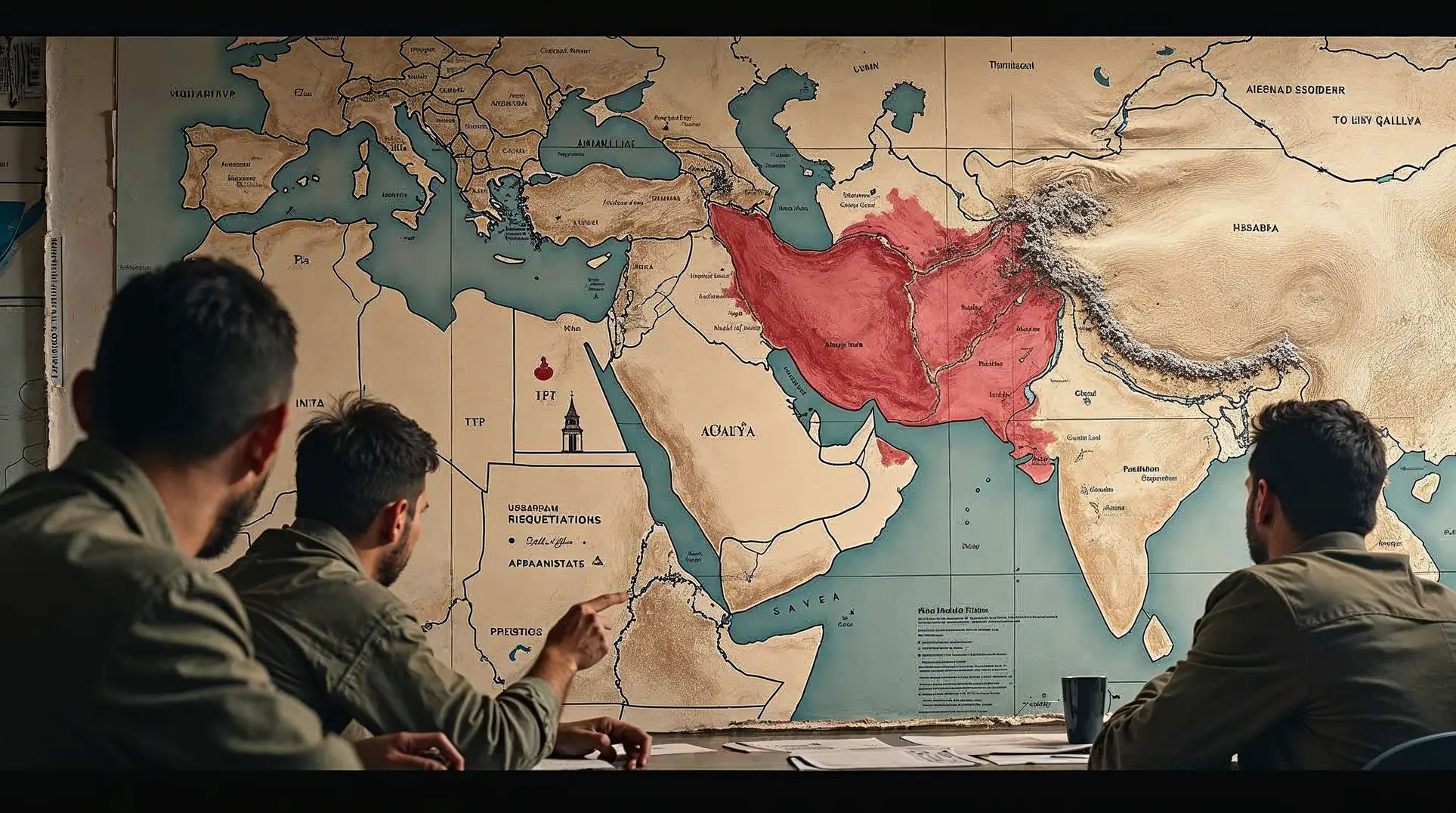
Members are reading: How Pakistan's failed proxy strategy created an ungovernable security contradiction forcing direct confrontation with its former Taliban allies.
Regional implications and diplomatic stalemate
The international community's response has proven ineffective at altering the conflict's trajectory. Fragmented statements calling for de-escalation from the UN, United States, and regional powers have not translated into meaningful diplomatic pressure on either Islamabad or Kabul. China, with substantial Belt and Road investments in both countries, faces a particularly complex calculation. Any Beijing-mediated settlement would likely prioritize immediate stability over addressing Pakistan's core demand—Taliban action against the TTP—potentially establishing conditions for future escalation cycles.
The declaration of what Pakistan's government now terms "open war" transforms the Afghanistan-Pakistan border into an active combat zone with no clear resolution pathway. The Taliban government shows no indication of military capitulation, while Pakistan's domestic political environment—facing economic crisis and rising militancy—provides little space for de-escalation that could be portrayed as weakness. The Durand Line, never formally recognized by Afghanistan and historically contested, has become a sustained conflict zone rather than merely a site of periodic border incidents.
The human cost continues accumulating beyond military casualties. Civilian populations in Afghanistan's eastern provinces face airstrikes and artillery bombardment, while cross-border closures disrupt trade and family connections that have existed for generations. Pakistan's tribal areas experience heightened military operations that historically produce displacement and civilian harm, creating grievances that militant groups exploit for recruitment.
Operation Ghazab-ul-Haq may achieve tactical objectives—destroying Taliban posts, disrupting supply lines, degrading military infrastructure—but the strategic problem remains unresolved. Pakistan cannot eliminate the TTP through airstrikes in Afghanistan without addressing the sanctuary question, and the Taliban cannot surrender TTP fighters without undermining its ideological legitimacy and historical obligations. This structural impasse suggests the current escalation represents not resolution but rather a new phase in a conflict produced by Pakistan's contradictory security doctrine—one where the patron now wages war against the consequences of its own strategic choices.
Subscribe to our free newsletter to unlock direct links to all sources used in this article.
We believe you deserve to verify everything we write. That's why we meticulously document every source.


