


Afghanistan's defense ministry announced it was engaging Pakistani military aircraft over Kabul on Sunday following a series of explosions and intense gunfire that rocked the capital, marking a dramatic escalation in cross-border hostilities between the two nations. The clashes followed Pakistan's airstrikes on both Kabul and Kandahar, representing the first direct targeting of Afghanistan's major political centers since Taliban forces consolidated control in 2021.
Pakistani officials confirmed conducting what they characterized as counterterrorism operations targeting Tehrik-i-Taliban Pakistan (TTP) safe havens within Afghan territory. The move signals a fundamental shift from sporadic border engagements to sustained military operations against infrastructure deep inside Afghanistan, including sites in the country's two most significant urban centers.
Military operations intensify across border
Pakistan's February 27 airstrikes targeted locations in both Kabul and Kandahar, with Islamabad justifying the operations as necessary responses to TTP attacks launched from Afghan soil. The targeting of political centers rather than solely border regions represents a significant departure from previous Pakistani military doctrine regarding Afghanistan.
Taliban defense officials issued immediate denials of TTP presence in the targeted areas, claiming the strikes hit civilian infrastructure and residential zones. Afghanistan's air defense units reportedly engaged Pakistani aircraft, though independent confirmation of any downed jets remains unavailable. The exchange of fire over Kabul itself—with residents reporting sustained gunfire and multiple explosions—underscores the intensity of Sunday's confrontation.
Casualty figures from both sides diverge sharply, reflecting the propaganda dimensions already embedded in this conflict. Pakistani sources claim precision strikes against militant infrastructure, while Taliban officials assert significant civilian losses, though neither claim has been independently verified.
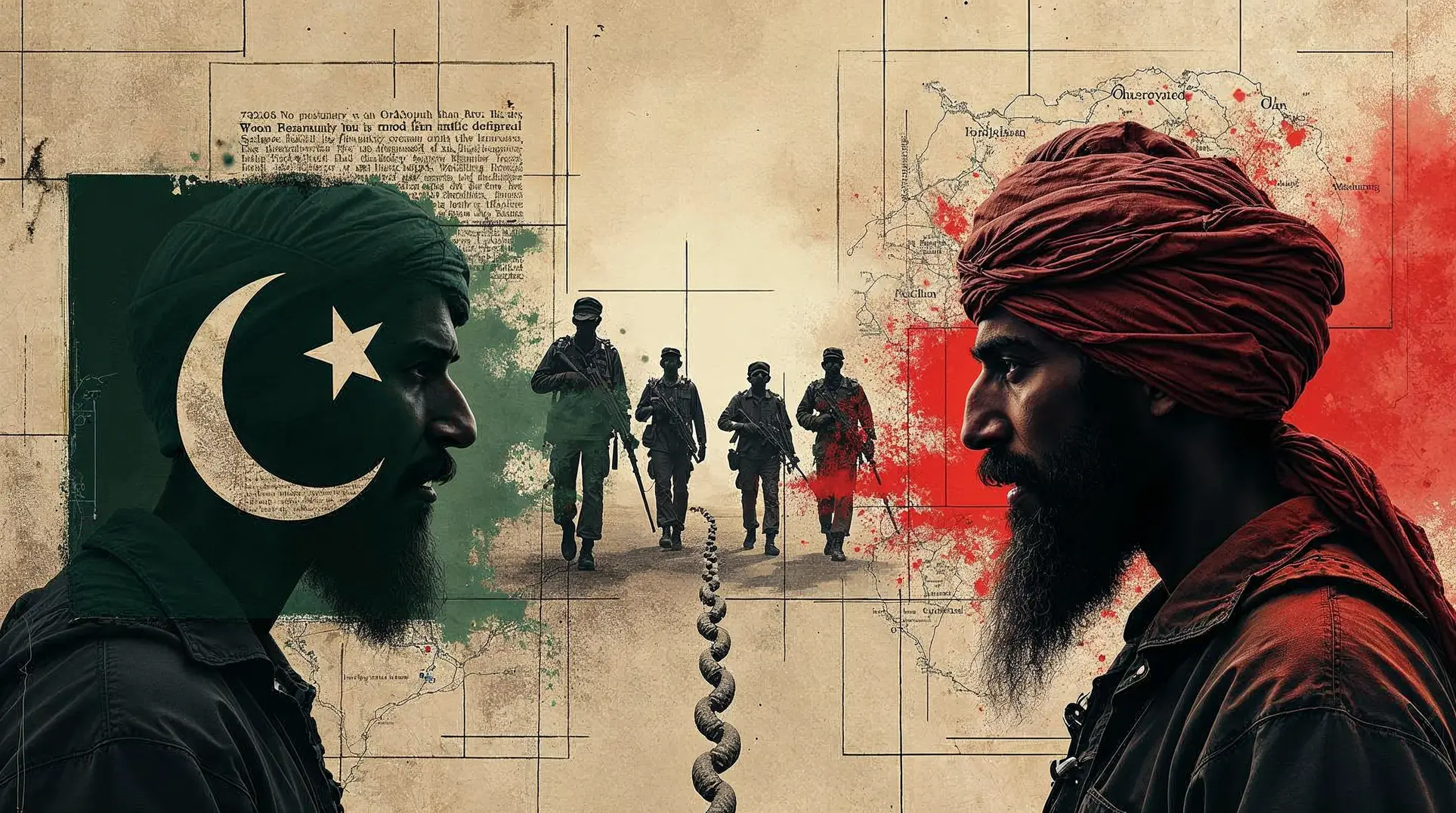
Members are reading: Why Pakistan's airstrikes signal the irreversible collapse of its strategic relationship with the movement it created.
Regional security framework fractures
The Sunday clashes follow a pattern of escalating violence that has already claimed dozens of lives in recent weeks. Pakistan has conducted major operations against Baloch militants and faced deadly attacks on security installations, intensifying pressure on Islamabad to demonstrate control over its western frontier. The extension of operations into Afghanistan's urban core suggests Pakistani leadership views border management as insufficient without addressing what it perceives as state-level Afghan complicity in harboring militant networks.
The international community's fragmented response—with differing positions on Pakistan's military operations and multilateral bodies issuing de-escalation appeals—leaves both Islamabad and Kabul calculating they can pursue military objectives without facing coordinated external pressure to halt operations.
Subscribe to our free newsletter to unlock direct links to all sources used in this article.
We believe you deserve to verify everything we write. That's why we meticulously document every source.


