


Israel carried out fresh airstrikes Monday against military targets in western and central Iran, including sites in Tehran, Tabriz, and Isfahan, according to Israeli and Iranian sources. The strikes followed Iran's recent missile launches toward Israeli territory and occurred despite reports that U.S. President Donald Trump had urged Prime Minister Benjamin Netanyahu to refrain from further attacks, reportedly stating that both sides had "had their fun" and should avoid another escalation round.
The operation, which the Israel Defense Forces characterized as targeting Iran's "terror regime," signals Netanyahu's government is prepared to maintain its independent deterrence posture even when it conflicts with Washington's stated preference for restraint. The strikes disrupted a fragile ceasefire environment that had prevailed since April, renewing the risk of wider regional escalation at a moment when Trump has repeatedly attempted to manage direct U.S.-Iran tensions through a combination of military threats and diplomatic overtures.
Tit-for-tat pattern deepens
The Israeli operation represents the latest exchange in an escalation cycle that has persisted despite periodic attempts at de-escalation. Iran's missile launches that triggered Monday's strikes were themselves retaliation for earlier Israeli attacks, including operations targeting Hezbollah infrastructure in southern Beirut. Iran's Islamic Revolutionary Guard Corps (IRGC) claimed Israel employed air-launched ballistic missiles in the latest operation, underscoring the sophistication and range of Israeli strike capabilities deep inside Iranian territory.
Explosions were reported across multiple Iranian cities, indicating Israel's targeting strategy extended beyond a single installation to encompass a broader degradation campaign against Iran's military infrastructure. The simultaneity and geographic spread of the strikes suggest pre-planned operations rather than reactive targeting, pointing to Israel's determination to maintain military pressure regardless of diplomatic considerations or U.S. counsel.
This pattern reflects a fundamental tension in the U.S.-Israel relationship regarding Iran policy. While both governments share strategic concerns about Iranian regional activities and nuclear ambitions, they diverge sharply on tactics and timelines. Washington has prioritized diplomatic engagement and managed escalation, evident in Trump's pattern of pausing threatened strikes to create space for negotiations. Israel, by contrast, views direct military action as essential to degrading Iranian capabilities and deterring future aggression, particularly given geographic proximity and the immediacy of threats from Iran's proxy network.
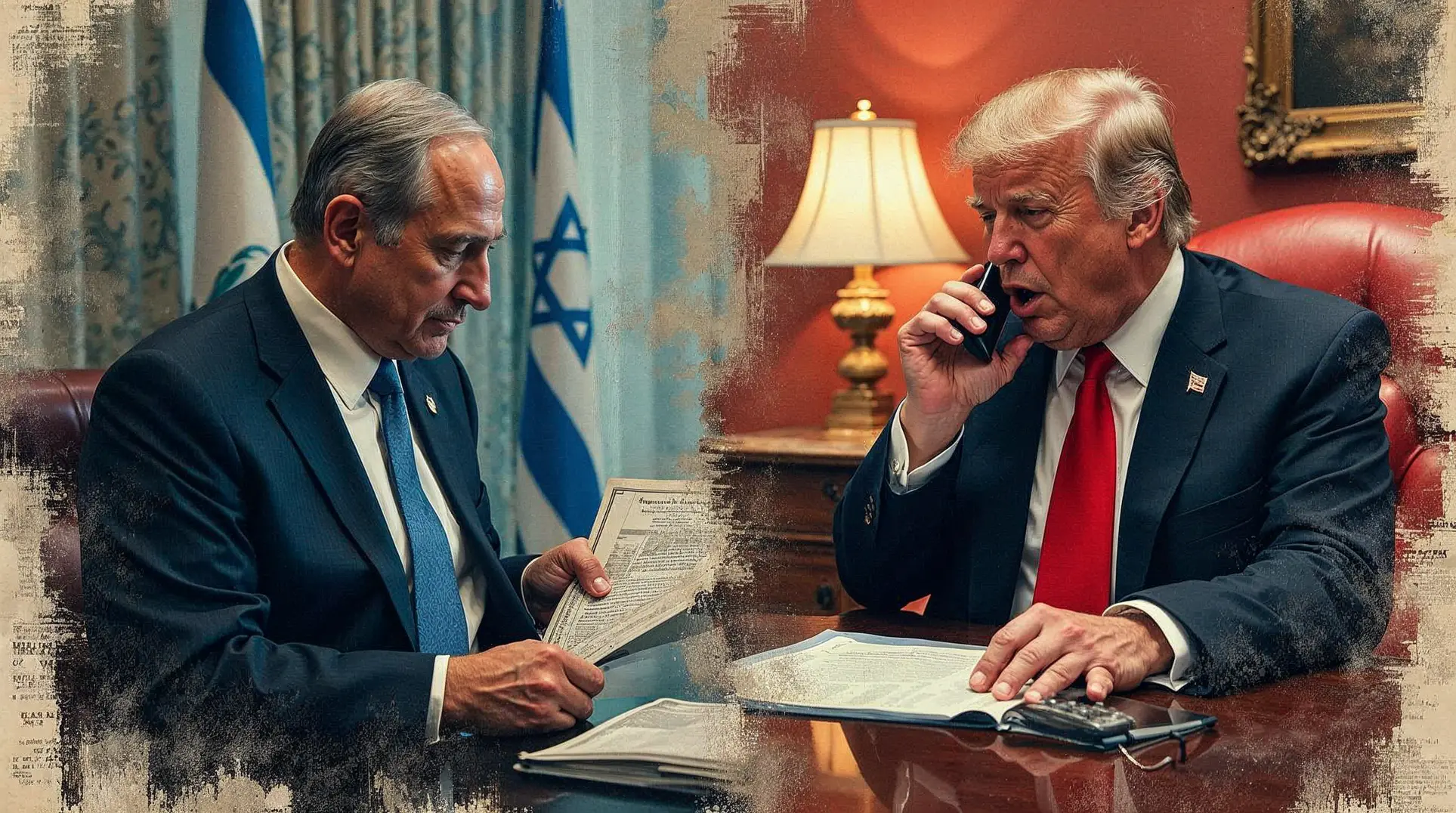
Members are reading: How Israel's independent action reveals the limits of U.S. leverage when allied and American strategic priorities diverge on Iran.
Regional consequences and escalation risks
The immediate aftermath of the strikes will test whether Iran chooses to absorb this latest operation or responds in ways that renew the escalation cycle. Tehran faces its own set of constrained options. A major retaliation could provide Israel and the United States justification for expanded strikes against Iranian nuclear facilities or energy infrastructure. Yet failing to respond risks appearing weak to domestic audiences and regional proxies who depend on Iranian support.
The IDF's characterization of the operation as targeting Iran's "terror regime" frames the strikes within Israel's broader narrative of confronting an Iranian-led "Axis of Resistance" that includes Hezbollah, Hamas, and other groups. This framing serves to legitimize continued Israeli military action as defensive rather than escalatory. However, from Tehran's perspective and that of regional powers seeking stability, the distinction between defensive and offensive strikes matters less than the pattern of repeated escalation that prevents any durable pause.
The strikes also complicate efforts by regional mediators who have sought to create space for broader diplomatic arrangements. Previous ceasefire frameworks have collapsed when Israel maintained that certain theaters or adversaries remained outside agreed-upon pause terms, creating diplomatic ambiguity that enabled continued operations while technically claiming compliance with narrow ceasefire definitions.
The coming days will reveal whether the latest strikes remain contained or trigger responses that draw the region back into open confrontation. Trump's reported frustration with Netanyahu's decision suggests Washington recognizes the risks but has limited leverage to constrain Israeli actions when Jerusalem's leadership calculates that its security imperatives outweigh U.S. diplomatic preferences. That structural reality—not temporary policy disagreements—defines the current moment and will likely shape the trajectory of regional escalation or restraint in the weeks ahead.
Subscribe to our free newsletter to unlock direct links to all sources used in this article.
We believe you deserve to verify everything we write. That's why we meticulously document every source.


