


Pakistan's Prime Minister Shehbaz Sharif announced a "final, agreed upon text" for a US-Iran peace deal that could be signed electronically within 24 hours. Iran's foreign ministry spokesperson Esmaeil Baghaei immediately contradicted this claim, stating that a "final conclusion" has not been reached and characterizing reports as "merely speculation."
The divergent narratives expose a fundamental ambiguity about whether Pakistan-mediated negotiations have produced a breakthrough or remain mired in unresolved disputes over Iran's nuclear program, sanctions relief, and control of the Strait of Hormuz. US media reports describe the agreement as an "unsettled memorandum or preliminary framework," further complicating Pakistan's assertion that a finalized deal awaits only technical signing procedures.
Iran disputes timeline and finality
Tehran's public denial centers on both the substance and timeline of Pakistan's announcement. While Baghaei acknowledged that a broader framework could emerge "in the coming days," he explicitly rejected claims that negotiators have finalized terms requiring only formal approval. This gap between Pakistan's "24 hours" and Iran's "coming days" reflects either diplomatic miscommunication or deliberate strategic positioning by parties seeking different domestic narratives.
Iranian officials have consistently maintained red lines throughout the three-month conflict that followed the US naval blockade and preceding military escalations. Tehran's 10-point peace plan demands permanent sanctions relief, recognition of Iranian authority over Strait of Hormuz passage, and guarantees against future military strikes—concessions that extend well beyond interim security arrangements. Pakistan's characterization of a "final" text may reflect progress on a limited framework that leaves these core structural issues unresolved.
Pakistan's diplomatic stakes
Pakistan's prominent role as mediator places Islamabad in a delicate position. Prime Minister Sharif's government has invested considerable political capital in facilitating dialogue after previous negotiating rounds collapsed over nuclear enrichment timelines and maritime control. Presenting the deal as "finalized" serves Pakistan's interest in demonstrating diplomatic efficacy, particularly as Islamabad positions itself as a bridge between Washington and regional powers.
Yet this positioning carries risk. If the deal unravels—or if parties publicly dispute its terms before signing—Pakistan's credibility as neutral mediator suffers. The gap between Sharif's optimistic characterization and Iran's cautious framing suggests that Islamabad may be attempting to create momentum by publicly declaring success before all parties have privately committed to identical terms.
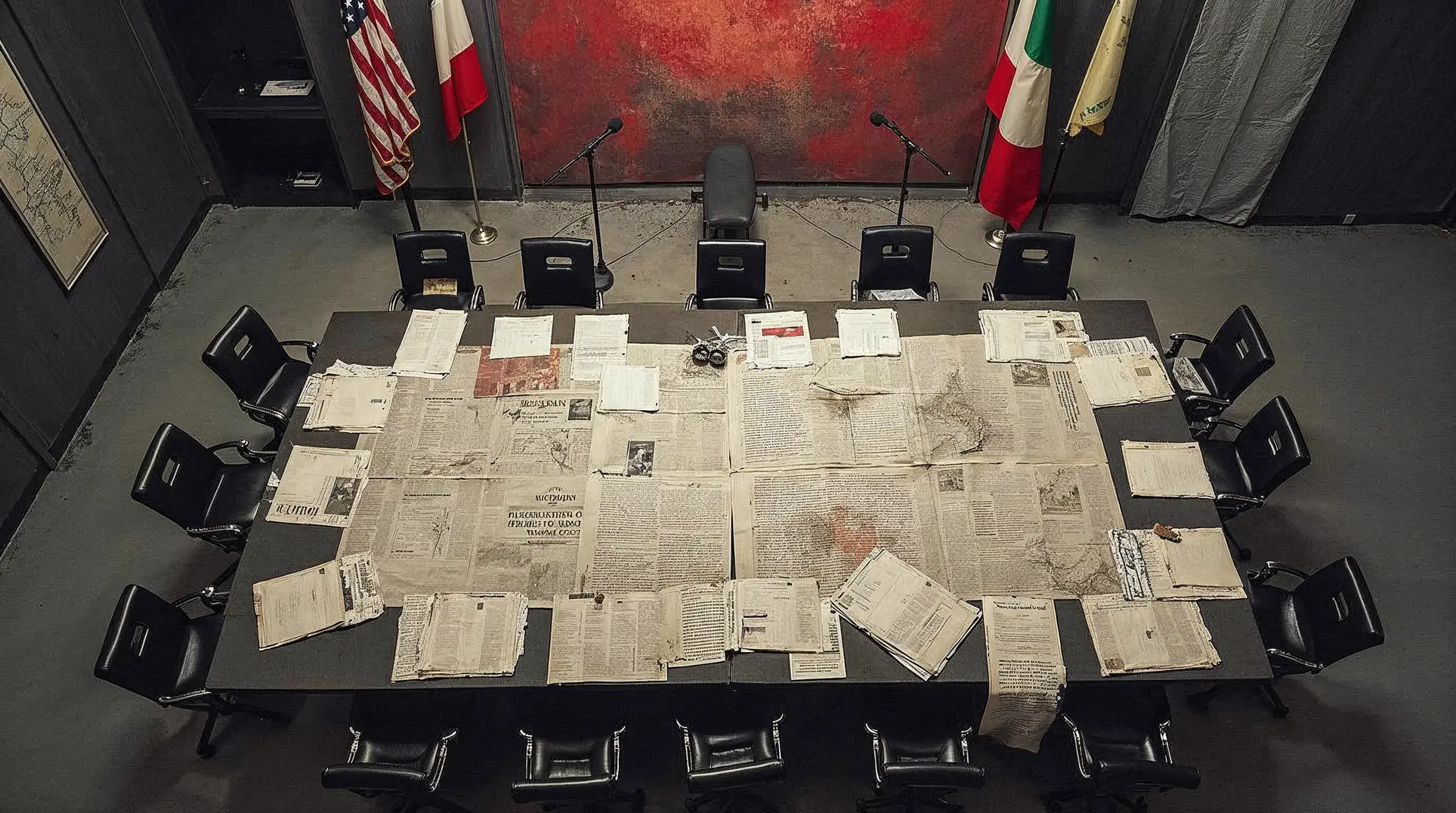
Members are reading: How divergent public statements reveal underlying leverage calculations and the fragile consensus behind any interim agreement
Unresolved core issues remain
Even if parties reach procedural agreement on an interim framework, the substantive gaps that produced three months of conflict remain unresolved. The reported deal extends the ceasefire, addresses Strait of Hormuz access, and establishes technical talks on Iran's nuclear program—but does not resolve the nuclear program itself, nor does it provide the comprehensive sanctions relief Tehran demands or the permanent dismantling of enrichment facilities Washington seeks.
Israel's position further complicates implementation. Prime Minister Netanyahu's office stated Israel is "not a party to" the emerging framework and insists on Iran abandoning its nuclear program and ending support for regional proxies. The war in Lebanon continues, with Hezbollah demanding Israeli withdrawal as prerequisite for any broader regional settlement. These parallel conflicts intersect with US-Iran negotiations in ways that no bilateral framework can fully address.
Maritime security in the Strait of Hormuz—the chokepoint for one-fifth of global oil supply—remains contested despite ceasefire terms. Iran's tolling of commercial vessels and the US naval blockade of Iranian ports continue even as negotiators discuss reopening arrangements, demonstrating that tactical military postures have not yet aligned with diplomatic declarations.
The next 24 to 48 hours will clarify whether Pakistan's announcement reflects genuine consensus or aspirational diplomacy. If Iran's characterization proves accurate—that a broader framework remains under discussion rather than finalized—the gap between Islamabad's timeline and Tehran's caution will reveal the deal's fragility. For now, the competing narratives themselves are the story: not what has been agreed, but what each party needs the world to believe has been agreed.
Subscribe to our free newsletter to unlock direct links to all sources used in this article.
We believe you deserve to verify everything we write. That's why we meticulously document every source.


