


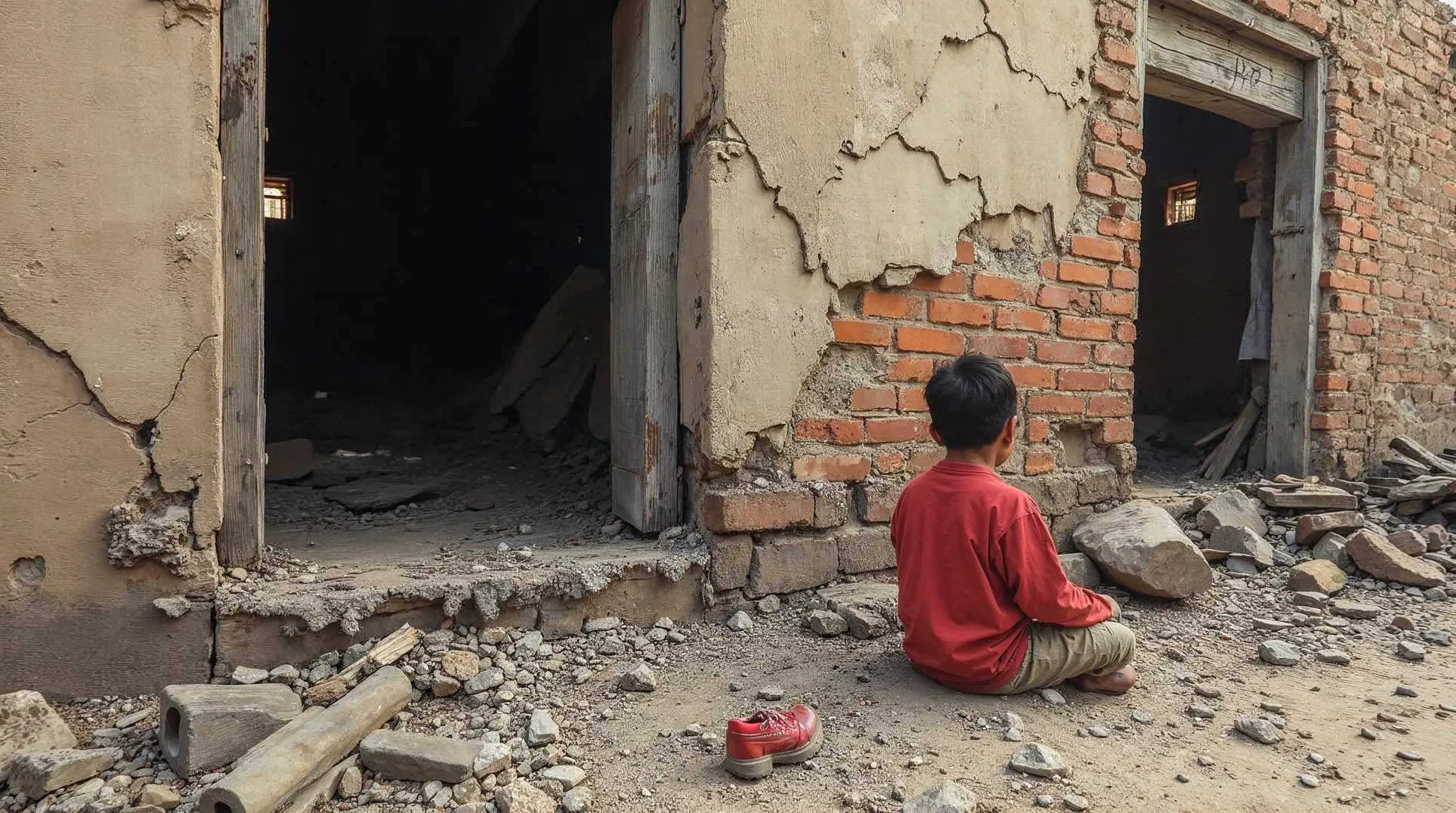
Taliban authorities reported that Pakistani airstrikes in eastern Afghanistan killed at least 13 civilians, including 11 children, one woman, and one elderly man. An additional 14 women and children were wounded in strikes that targeted residential areas across Kunar, Khost, and Paktika provinces, according to Taliban spokesperson Zabihullah Mujahid.
The strikes represent the deadliest single-day civilian casualty incident in recent weeks of cross-border hostilities. Afghan officials condemned the operations as airspace violations and a "humanitarian crime." Pakistan has not issued an immediate public response to these specific strikes, though Islamabad has previously justified similar operations as targeting Tehrik-e-Taliban Pakistan (TTP) militant hideouts operating from Afghan territory.
Reported strike locations and casualties
The Taliban government statement identified civilian homes as the primary targets in all three provinces. The casualty breakdown—11 children among 13 killed—indicates either proximity to densely populated residential zones or direct targeting of civilian structures. Neither claim has been independently verified by international observers as of June 10.
Afghanistan's Taliban administration has consistently denied Pakistani allegations of harboring TTP militants. The dispute over militant safe havens has driven escalating tensions since Pakistan declared "open war" in February 2026, with operations expanding from border zones to major Afghan cities including Kabul and Kandahar.
Members are reading: How the child casualty ratio complicates Pakistan's justification and raises asymmetric retaliation risk.
Broader conflict context
The June 10 strikes follow months of sustained hostilities along the disputed Durand Line border. Pakistan has conducted multiple air operations inside Afghanistan since February 2026, citing security threats from the TTP, which launches attacks into Pakistani territory from what Islamabad characterizes as Afghan safe havens. The Taliban government categorically rejects these allegations and accuses Pakistan of deliberate civilian targeting.
Previous escalation cycles produced sharp divergences in casualty reporting, with neither side's figures independently verified. The humanitarian toll continues accumulating beyond immediate strike casualties through displacement, disrupted services, and economic isolation of border communities. The pattern of strikes across multiple eastern provinces indicates sustained military operations rather than isolated incidents.
Subscribe to our free newsletter to unlock direct links to all sources used in this article.
We believe you deserve to verify everything we write. That's why we meticulously document every source.


