


The United States announced on Wednesday that Israel and Lebanon have agreed to implement a ceasefire, marking a shift from recent limited truces toward a framework with specific operational conditions. The agreement, reached through U.S.-mediated talks in Washington, requires a complete cessation of fire by Hezbollah, evacuation of all Hezbollah operatives from the South Litani Sector, and continued direct negotiations between Israeli and Lebanese officials. The framework represents an attempt to establish enforcement mechanisms following previous ceasefires that failed to halt cross-border violence.
The announcement comes as Israeli drone strikes killed six people in southern Lebanon and Hezbollah fired rockets into northern Israel in recent days. According to the State Department, the agreement includes U.S. support for strengthening the Lebanese Armed Forces and creating "pilot zones" where the LAF will exercise exclusive control, explicitly excluding non-state actors. This marks the first ceasefire framework since April's ten-day pause to address the enforcement question directly, rather than relying on ambiguous diplomatic language.
Current situation on the ground
Violence has persisted throughout recent diplomatic efforts. Lebanese Ministry of Health figures document over 2,124 deaths since Hezbollah entered the broader regional conflict in March 2026, when the group launched operations explicitly framed as retaliation for strikes on Iran. Recent Israeli operations targeted Hezbollah positions across southern Lebanon, while Hezbollah rocket attacks have continued to strike northern Israeli territory.
The State Department emphasized that implementation of this ceasefire depends on Hezbollah's compliance with withdrawal and cessation terms. Israeli officials have maintained operational freedom against Hezbollah throughout previous ceasefire frameworks with Iran, arguing that Lebanon remains outside such agreements. The Lebanese government has repeatedly called for international intervention while acknowledging its limited capacity to constrain Hezbollah's military activities or enforce state authority in areas where the group maintains control.
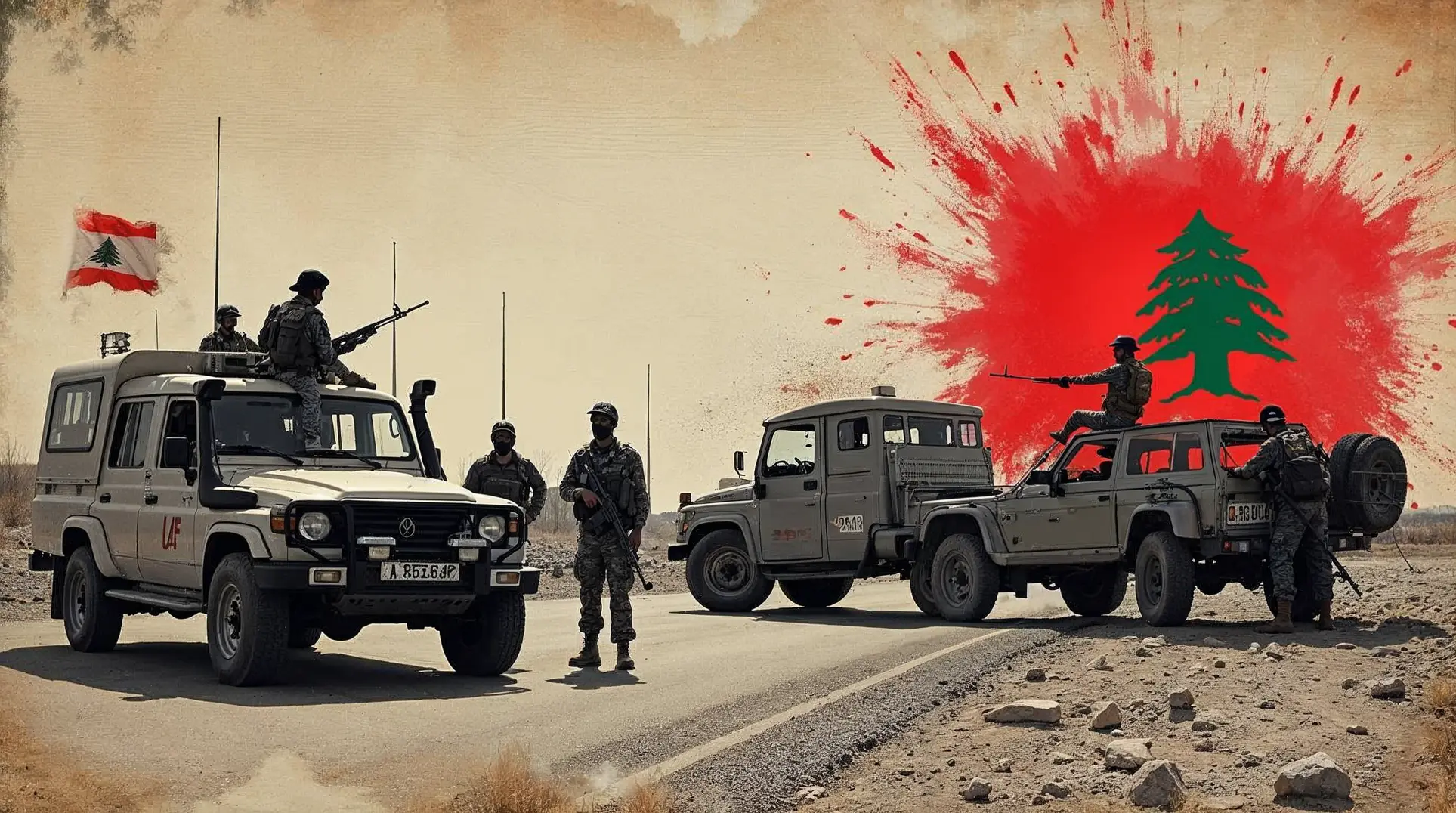
Members are reading: Why Hezbollah's institutional position makes LAF enforcement unlikely in the near term
Agreement tested by prior failures
The ceasefire framework inherits structural challenges that undermined previous arrangements. Israeli demands for Hezbollah disarmament require Lebanese state capacity that demonstrably does not exist, while Lebanese calls for immediate cessation of strikes face Israeli preconditions that Beirut cannot enforce. The pattern has repeated through multiple diplomatic efforts: agreements announced with optimism, violence continuing as parties interpret terms differently, humanitarian toll mounting among civilian populations.
Lebanon's position remains precarious. The state structure has been weakened by economic collapse and political paralysis, while Hezbollah's military operations continue to trigger Israeli responses that Lebanese authorities cannot prevent or mitigate. The humanitarian crisis deepens as hospitals report being overwhelmed and displacement figures climb, with the Lebanese government unable to protect its population from consequences of a conflict it did not choose to enter. Whether this agreement produces different outcomes depends on questions of enforcement that previous frameworks deliberately avoided addressing.
Subscribe to our free newsletter to unlock direct links to all sources used in this article.
We believe you deserve to verify everything we write. That's why we meticulously document every source.


