


The State Administration Council's general election, beginning December 28 in just 265 of Myanmar's 330 townships, represents a calculated performance designed not for domestic legitimacy but for international economic reengagement. As civil war rages across territory the military junta controls by only the most generous estimates at 21%, the choreographed vote reveals a strategic priority: manufacturing sufficient institutional veneer to unlock capital flows from neighboring states and multilateral bodies that the Tatmadaw cannot access through explicit military rule.
This is Myanmar's performative election in its purest form—a multi-phased spectacle scheduled through January 25, 2026, occurring against a backdrop of 3.5 million internally displaced persons, 30,000 political prisoners, and systematic human rights violations. The intended audience is not Myanmar's citizens, but China, India, Thailand, and economic institutions that prioritize transactional stability over democratic accountability.
The institutional architecture of predetermined outcomes
The junta has systematically redesigned Myanmar's electoral framework to guarantee favorable results while creating plausible deniability for external partners. The dissolution of the National League for Democracy—which won 83% of contested seats in 2020—removes the primary opposition force. Aung San Suu Kyi and President Win Myint remain imprisoned, their party legally erased from political existence.
The shift from first-past-the-post to proportional representation, combined with restrictive party registration requirements, structurally advantages the military's proxy Union Solidarity and Development Party. New legislation criminalizes election criticism under the "Election Protection Law," with penalties including death sentences—94 arrests since August demonstrate enforcement credibility. This institutional rigging creates an electoral system in form while eliminating competitive function.
The phased voting schedule itself reveals territorial control limitations. The military can secure voting only in urban centers and strategic corridors, leaving vast swaths of rural Myanmar—where resistance forces maintain operational presence—excluded from participation. This fragmented approach contradicts any claim to national mandate while simultaneously providing the minimal institutional framework regional powers require for resumed engagement.
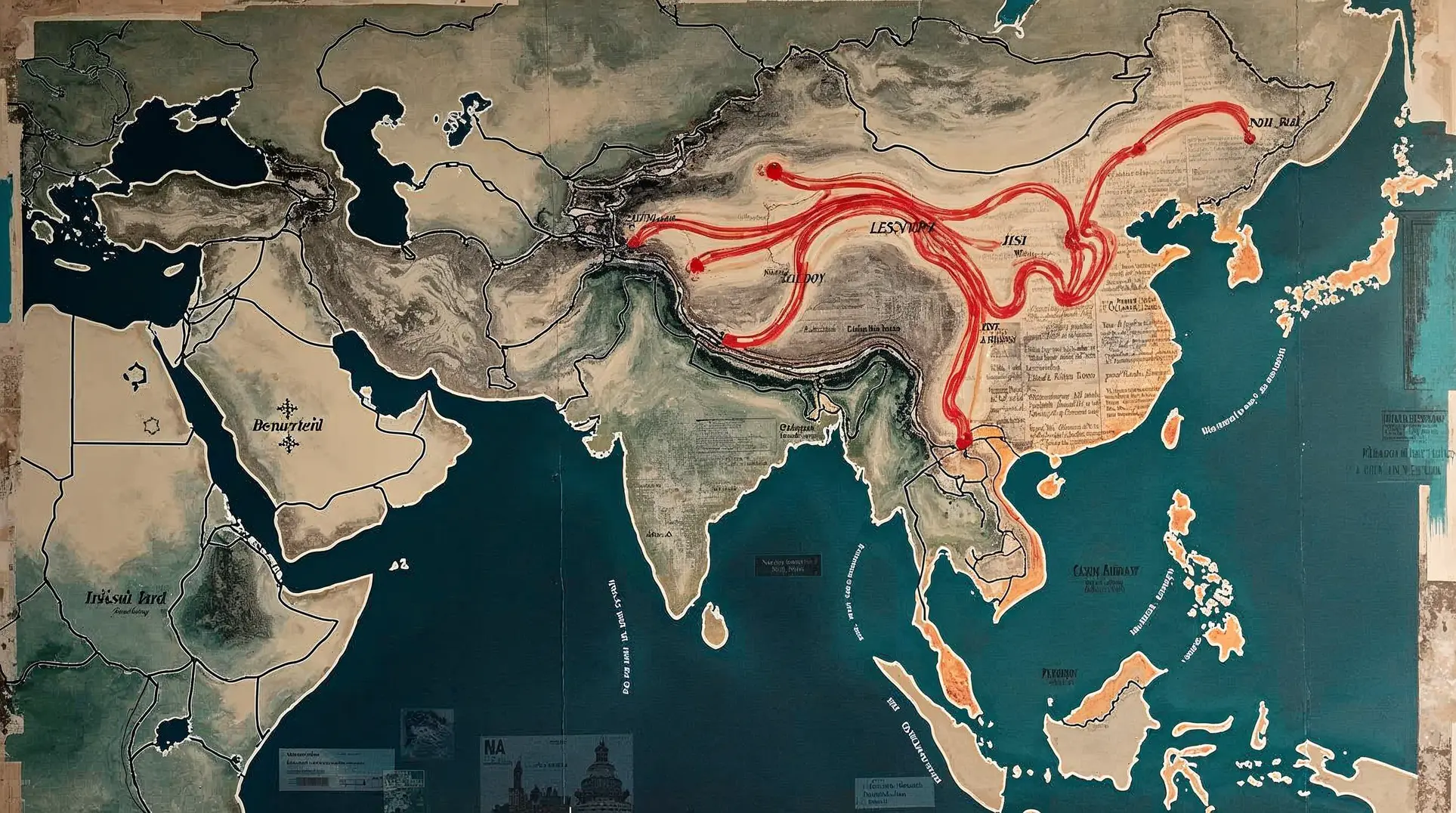
Members are reading: How Myanmar's neighbors use electoral theater as cover for economic reengagement despite territorial collapse.
The domestic performance of coercion
For Myanmar's citizens, the election communicates an entirely different message: submission to inevitable military dominance. Residents in Yangon and Mandalay describe an atmosphere devoid of the campaign energy that characterized previous polls. "There's no excitement like before," one Yangon resident noted, contrasting the current silence with 2015's "carnival-like atmosphere" when the NLD swept to victory.
The subdued environment reflects calculated repression. As the junta regains strategic ground through brutal tactics including airstrikes on civilian targets, the Election Protection Law criminalizes dissent. Residents fear repercussions for non-participation, creating coerced turnout that the regime will cite as evidence of popular acceptance.
This dual-audience strategy—performance for external partners, coercion for internal populations—reflects rational authoritarian adaptation. The junta requires only enough electoral architecture to satisfy neighbors' minimum requirements for resumed official engagement, not genuine democratic legitimacy.
Economic desperation meets institutional innovation
The timing reveals the SAC's economic vulnerability. Unable to sustain governance through military revenue alone, with natural resource exports constrained by sanctions and civil war disrupting taxation capacity, the regime faces fiscal crisis. A "civilian" government framework—however transparently controlled—unlocks pathways to international capital that pure military rule forecloses.
Myanmar's future now depends less on battlefield outcomes than on whether regional powers accept this institutional fiction. Early indicators suggest they will. Economic interests, geographic proximity, and strategic competition create powerful incentives for pragmatic accommodation. The election succeeds not by convincing anyone of its legitimacy, but by providing sufficient cover for partners who seek reasons to resume normal relations. In this calculus, Myanmar's citizens remain spectators to a performance staged for external economic audiences.
Subscribe to our free newsletter to unlock direct links to all sources used in this article.
We believe you deserve to verify everything we write. That's why we meticulously document every source.


