


U.S. intelligence analysts have opened a previously undisclosed investigation into whether Russia supplied targeting data or advanced drone technology used in Iranian strikes on CIA facilities across the Gulf, according to a Reuters exclusive citing four people familiar with the matter. At least two sites were hit in March — the CIA station inside the U.S. Embassy in Riyadh and a separate facility in eastern Iraq — with some sources describing additional undisclosed locations struck.
The disclosure lands amid the 11th consecutive night of U.S. strikes on Iran, following the deaths of four American service members in Jordan last week. It follows a pattern this outlet has documented since Iran's strikes on Jordan, Bahrain, and Kuwait and repeated strikes on Kuwait's al-Zour power and desalination plant — but targeting a CIA station is a different category of act altogether.
What the memo says
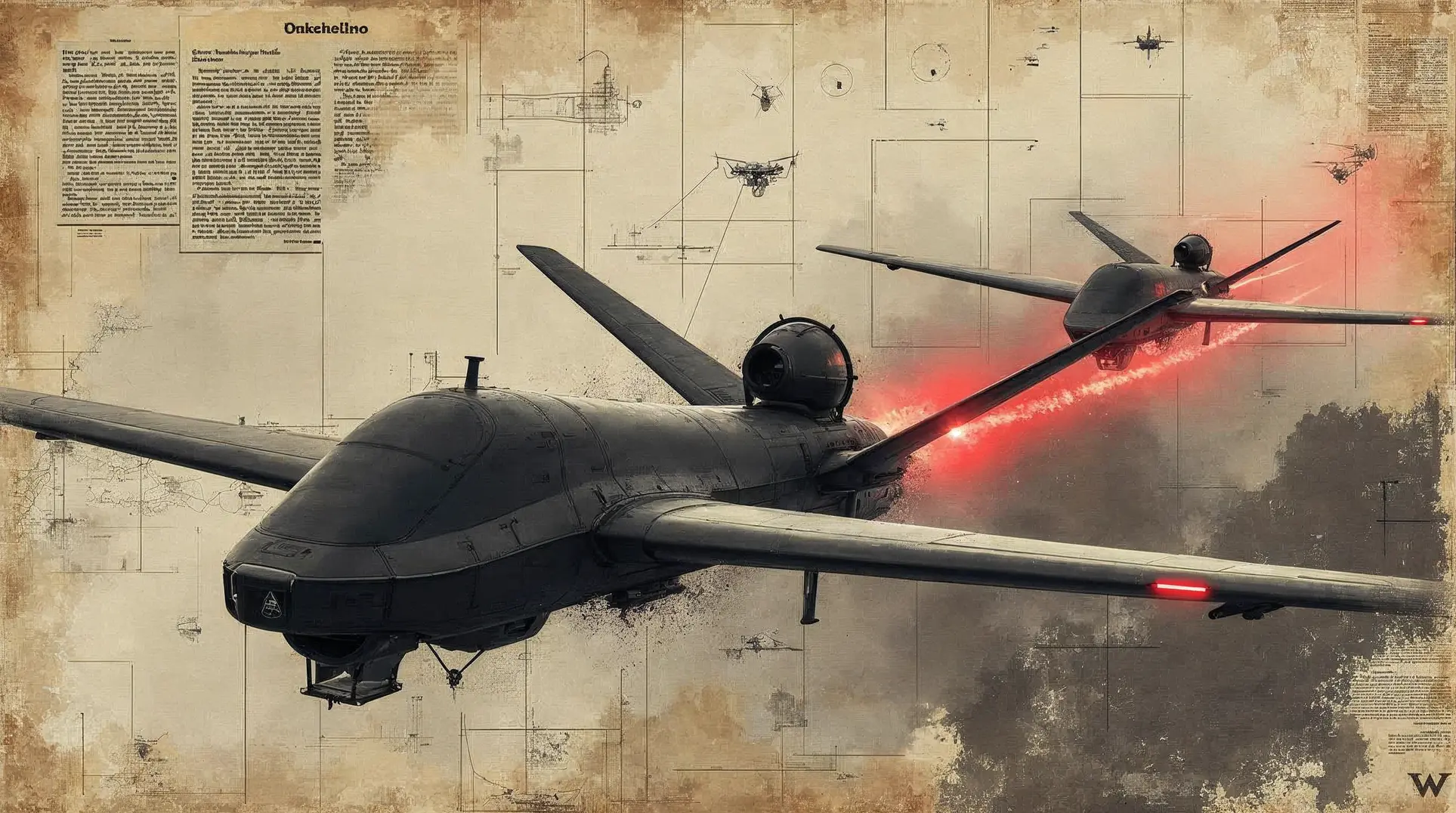
Two Western officials in the Gulf told Reuters the Riyadh attack used a pair of Russian-enhanced Shahed drones in a tandem breach-and-detonate technique — one drone blowing a hole in the embassy's exterior, a second flying through to detonate. No casualties were reported. A Western intelligence memo, described by a regional official, concluded Russia has "likely played a role" in targeting regional CIA facilities — language that stops short of attribution but signals allied concern beyond Washington alone.
Analysts point to Russia's documented transfer of the Kometa-M satellite navigation system, which improves Shahed-136 accuracy and jam resistance, as the plausible technical bridge. Former CIA station chief Daniel Hoffman told Reuters it "would not be surprising" given Moscow and Tehran's shared interest in reducing U.S. influence in their respective spheres. Sources caution the probe remains preliminary: some warn Iran may simply have struck the embassy generally, hitting the CIA station by chance. Moscow has called such reports "fake news."
Observers are reading: how the Kometa-M transfer chain links Ukraine's battlefield to CIA facilities in the Gulf.
Become an Observer — it's free. Get full access to all Crisis.Zone analysis, briefings and breaking coverage.
The investigation does not yet establish Russian complicity — officials stress no firm conclusions have been reached, and Moscow, Tehran, and Riyadh have all declined comment. But that Washington is formally investigating the question, amid an already triangular war, is itself a measure of how far the Russia-Iran partnership has moved from battlefield convenience toward something more deliberate.
Become an Observer — it's free — to unlock direct links to all sources used in this article.
We believe you deserve to verify everything we write. That's why we meticulously document every source.


