


Mojtaba Khamenei, Iran's appointed Supreme Leader, was notably absent from funeral prayers for his father Ayatollah Ali Khamenei on Sunday, July 5, 2026, according to multiple reports from Iranian state media and international observers. The 56-year-old cleric has not appeared publicly since his reported appointment in early March, communicating only through written statements as speculation mounts about injuries sustained in the February 28 US-Israeli airstrikes that killed his father.
Iranian security officials explicitly denied Mojtaba's request to attend his father's burial in Mashhad, scheduled for July 9, citing fears of Israeli tracking or assassination. His representative, Ayatollah Hakim Elahi, confirmed the security denial to Iranian media. Three of Mojtaba's brothers—Masoud, Meysam, and Mostafa—were present at Sunday's ceremony, praying beside the coffins of family members killed in the February strikes.
Security threats meet succession protocol
The absence fundamentally violates Islamic Republic tradition, where the successor leads funeral prayers to demonstrate authority and legitimacy. Multiple US and Iranian sources, including *The New York Times* and *The New York Post*, report Mojtaba was wounded in the initial airstrike. Some US officials have speculated he may be severely disfigured or incapacitated, though no credible evidence of death exists and Iranian state media continues to reference him as the current Supreme Leader.
This creates what human rights observers describe as a profound legitimacy crisis. The regime's elaborate four-month-delayed state funeral attempts to project unity and continuity, yet its current Supreme Leader cannot manifest that authority publicly without mortal risk. The spectacle of mass mourning becomes a substitute for genuine institutional legitimacy, revealing how external military pressure has compromised the very succession mechanisms the Islamic Republic's constitution was designed to ensure.
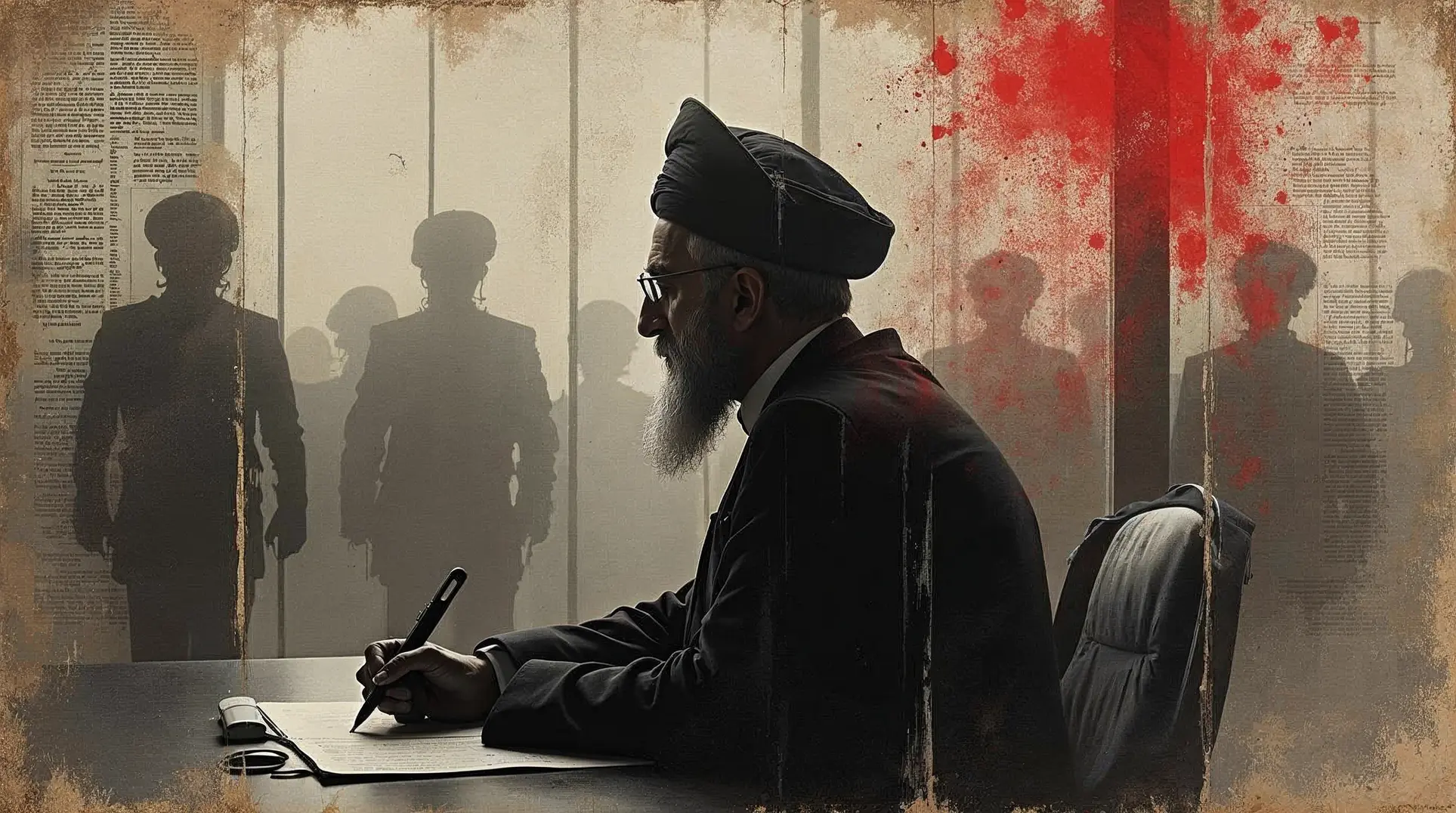
Members are reading: How Mojtaba's forced absence reveals who actually controls Iran amid a deepening leadership vacuum
Uncertain authority amid regional volatility
The situation leaves Iran navigating a fragile ceasefire and potential permanent peace talks without visible, unified leadership at its apex. While the regime projects defiance through massive funeral ceremonies, the absence of its constitutional leader from those very ceremonies reveals the profound disconnect between institutional facade and operational reality. Whether Mojtaba can consolidate sufficient authority to govern effectively—or whether Iran is operating under fragmented command amid ongoing external threats—remains an urgent open question with implications far beyond the current succession crisis.
Subscribe to our free newsletter to unlock direct links to all sources used in this article.
We believe you deserve to verify everything we write. That's why we meticulously document every source.


