


Hezbollah launched approximately 30 rockets into northern and central Israel early Friday morning, citing "ceasefire violations" and vowing to continue strikes until "US-Israeli aggression against our country and our people stops." The barrage followed Israeli strikes on approximately 10 Hezbollah rocket launchers in southern Lebanon overnight Thursday, marking a rapid escalation less than 24 hours after the US-Iran ceasefire took effect. The cycle exposes the immediate fragility of an agreement built on fundamental contradictions about Lebanon's inclusion.
Israeli Prime Minister Benjamin Netanyahu declared on Thursday that "there is no ceasefire in Lebanon," asserting Israel's continued operational freedom against Hezbollah. US officials confirmed this interpretation, with Vice President JD Vance calling the confusion over Lebanon's status a "legitimate misunderstanding." Iran and Pakistan, by contrast, maintain the two-week pause encompasses all regional fronts including Lebanon. This is not miscommunication—it represents the deliberate ambiguity that allowed both Washington and Tehran to claim diplomatic success while preserving freedom of action in the Levantine theater.
Israeli strikes drive retaliation cycle
The immediate trigger for Friday's Hezbollah rocket fire was Israel's Thursday evening strikes targeting Hezbollah launchers near Haifa and across northern regions. According to Israeli Defense Forces sources, the operation destroyed approximately 10 rocket launch positions identified through surveillance as preparing for attacks. The IDF characterized the strikes as preemptive defense measures, warning of further escalation if Hezbollah operations continue. No Israeli casualties were reported from the Friday rocket barrage, with only minor injuries from individuals seeking shelter.
The escalation follows Wednesday's massive Israeli air operation that killed 254 people across Lebanon and wounded over 1,165, according to Lebanese Civil Defense. That strike wave occurred after the ceasefire announcement but before its formal implementation, exploiting the diplomatic uncertainty. Hezbollah and Iranian officials cite this operation as the primary "violation" justifying continued resistance. Tehran's Foreign Ministry warned of "dire consequences" for Israeli actions in Lebanon, framing them as flagrant breaches of the agreement.
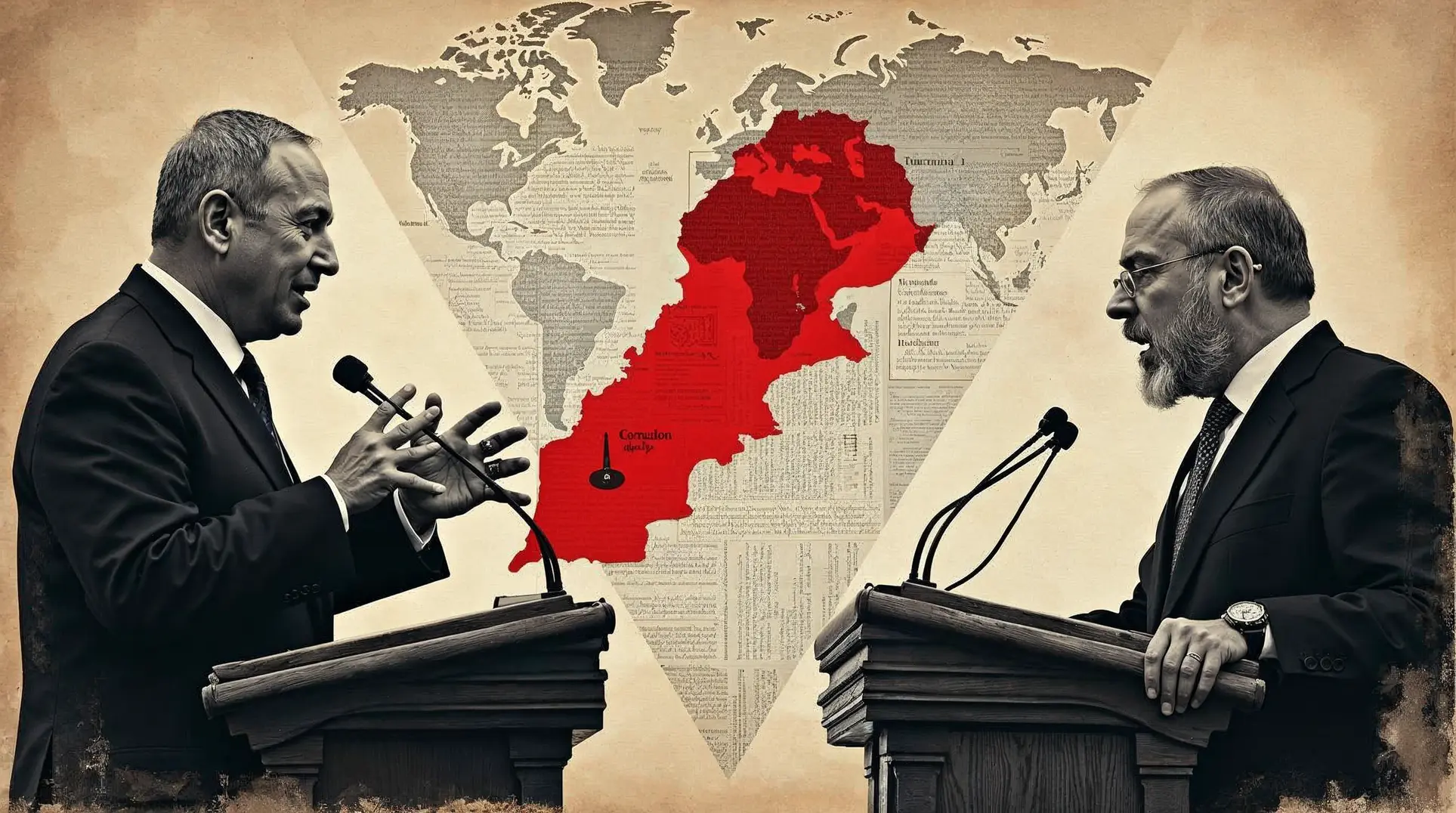
Members are reading: How the Lebanon exclusion exposes the structural limits of US-Iran diplomacy and what comes next
Diplomatic channels under immediate pressure
US Secretary of State Marco Rubio has scheduled hastily arranged talks between Israel and Lebanon next week, according to diplomatic sources, with stated objectives including Hezbollah disarmament and normalization of Israeli-Lebanese relations. However, a senior Hezbollah official dismissed the possibility of negotiations with the Lebanese government, stating the organization answers only to its constituency and Iran, not Beirut's weakened state institutions.
The ceasefire framework now faces its first major test before direct US-Iran negotiations scheduled for later this week can even begin. If Israel continues operations citing Lebanon's exclusion, and Hezbollah escalates beyond the current limited rocket fire, the broader ceasefire could collapse before substantive talks occur. Iran's response options are constrained—it has just agreed to a pause providing breathing space after weeks of direct military confrontation, yet cannot be seen abandoning Hezbollah without weakening its entire regional network.
France and Australia have called for the ceasefire to explicitly include Lebanon, but lack leverage to compel either Israeli restraint or Iranian pressure on Hezbollah. The mediators from Pakistan, Turkey, and Egypt face the challenge of constructing additional layers of ambiguity to paper over what is becoming obvious: the fundamental interests driving this conflict remain unaddressed, and the "ceasefire" serves primarily to reset capabilities for the next round rather than create conditions for genuine de-escalation.
Lebanon remains the unresolved theater of a conflict both Washington and Tehran claim to have paused, with its civilian population hostage to diplomatic ambiguity designed to serve external strategic interests rather than regional stability.
Subscribe to our free newsletter to unlock direct links to all sources used in this article.
We believe you deserve to verify everything we write. That's why we meticulously document every source.


