


Key takeaways
- The ICJ ruled that Myanmar committed genocide against the Rohingya in northern Rakhine State during the 2017 military operations.
- The ruling is final and targets Myanmar as a state, with no arrest warrants and limited enforcement options.
- The court rejected the counterinsurgency explanation; commentators cited by the BBC say its approach to intent will be cited elsewhere.
The International Court of Justice (ICJ), the United Nations' top court, ruled on Thursday in The Gambia v. Myanmar that Myanmar committed genocide against the Rohingya group in northern Rakhine State during the military's 2017 "clearance operations". President Yuji Iwasawa of Japan read the judgment in the Peace Palace in The Hague. The reading began at 10:00 local time and lasted about three hours, AP and Al Jazeera reported. The judgment is final and cannot be appealed.
Iwasawa said "the only reasonable inference that can explain Myanmar's actions is an intention to destroy a substantial part of the group, namely the Rohingya population in northern Rakhine." Reuters reported that the ICJ held Myanmar responsible for genocide. CNN and The Independent reported that the court reached its verdict by nine votes to six. Myanmar has always denied genocide, calling its operations a legitimate counterterrorism response. As of 13:15 CET on Thursday, no reaction from Myanmar's government to the verdict had been reported.
What the court found
Iwasawa said Myanmar's security forces "killed thousands of Rohingya civilians, perpetrated widespread acts of sexual violence as well as acts of extreme violence against children and attacked fleeing Rohingya." He said "the estimate of 10,000 Rohingya violently killed during (2017) clearance operations is supported by the evidence," AFP reported.
Myanmar had argued its forces were conducting counterinsurgency operations. The New York Times reported that the court said the sexual violence, the targeting of children, the methodical burning of villages and the attacks on fleeing civilians were not consistent with an intent to conduct counterinsurgency operations. Crisis.Zone's pre-judgment explainer set out the intent standard the court applied.
The court said Myanmar must compensate the Rohingya, with the amount to be determined later, AP reported. It also said Myanmar must facilitate the safe and dignified return of the Rohingya to their place of residence and the reunification of families, The Independent reported. Human Rights Watch's Maria Elena Vignoli called the ruling a "long-awaited recognition of the suffering the Rohingya have endured from Myanmar's military," in a statement, the BBC reported.
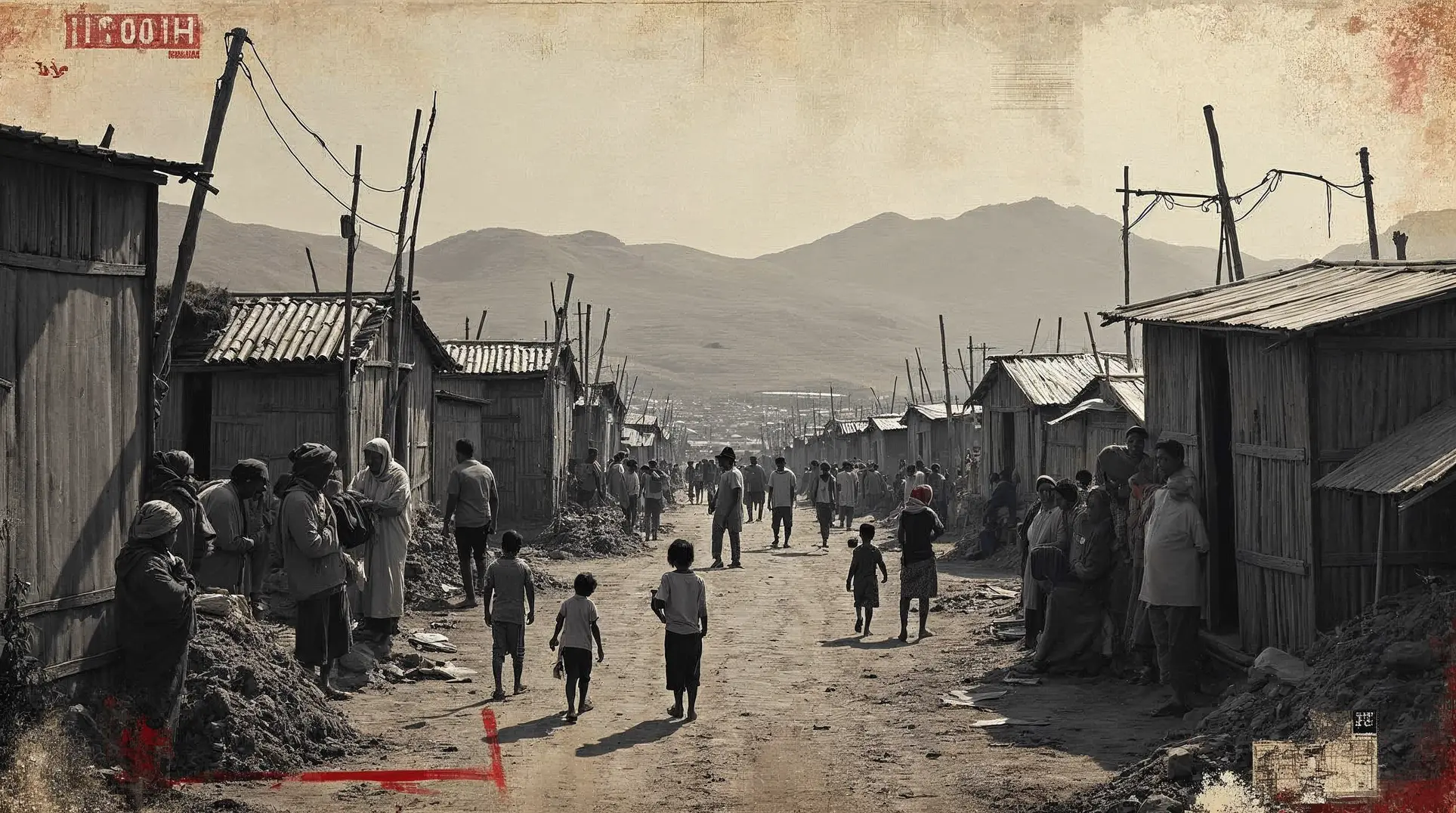
Observers are reading: how the enforcement gap, conditions in Rakhine and the pending Gaza case limit what the judgment can change.
Become an Observer, it's free. Get full access to all Crisis.Zone analysis, briefings and breaking coverage.
Compensation and compliance still to come
The court has yet to set the amount of compensation, AP reported. Myanmar's response, any Security Council action and conditions in Rakhine and Cox's Bazar will shape how far the findings translate into change. Further updates as verified information becomes available.
Become an Observer (it's free) to unlock direct links to all sources used in this article.
We believe you deserve to verify everything we write. That's why we meticulously document every source.


