


Key takeaways
- Between eight and 10 migrants were found dead on a boat with about 100 people south of El Hierro.
- Regional leader Clavijo says the emergency starts in Senegal and Gambia and wants Frontex deployed, as Spain votes on Sunday.
- Reuters reported a record 2,100 arrivals in a day on Wednesday, most on El Hierro, which has 11,400 residents.
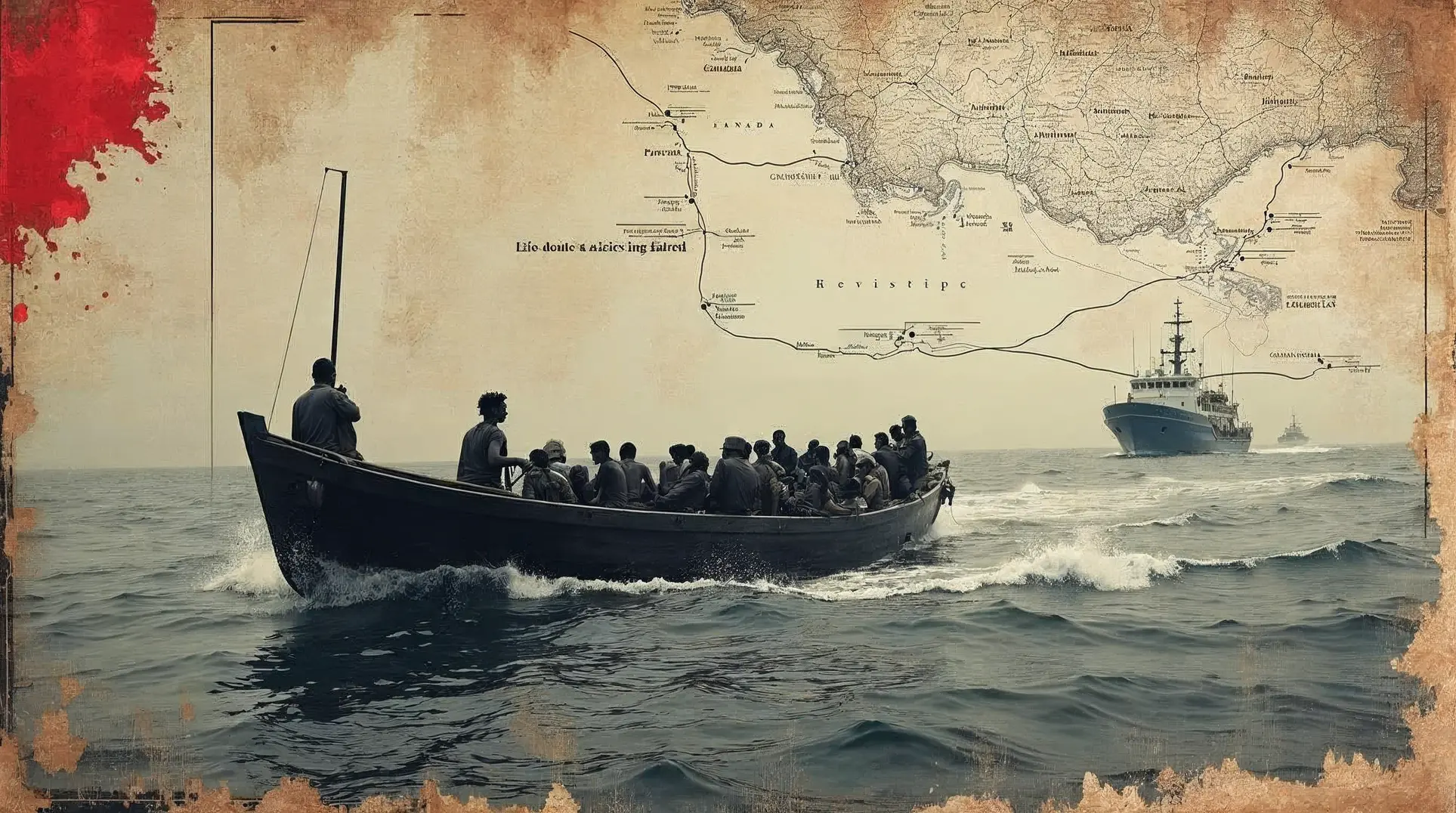
Between eight and 10 migrants were found dead on a boat carrying about 100 people south of El Hierro, in Spain's Canary Islands, on Friday, Reuters and AFP reported, citing Spain's maritime rescue service, Salvamento Marítimo. Six other people were airlifted to hospital in serious condition. Rescuers found the boat 39 nautical miles (72 km) south of the island. At the time of the reports it was being towed to the port of La Estaca with the bodies still aboard.
At La Restinga, the island's other port, 84 survivors disembarked. Reuters described them as coming from a separate boat, but EFE, citing the Government Delegation in the Canary Islands, and AFP said they were rescued from the same cayuco by the rescue boat Salvamar Navia. An AFP journalist saw Civil Guard officers, Red Cross workers and soldiers from the army's emergency response unit helping people ashore. Some were carried on stretchers because they could not walk. Others wore red thermal blankets. AFP added that one person chose to stay on the boat, which EFE said was being towed with a male survivor still aboard. Survivors told emergency services they had left Banjul, Gambia, 10 days earlier, EFE reported, and those rescued were from Senegal, Gambia and Mali. EFE said the boat had been left adrift with its occupants dying of thirst, pointing to the dehydration seen in survivors, but no official cause of death had been given. Official sources told EFE on Friday that the number of bodies, put at between eight and 10, would be known that night, when the Civil Guard patrol boat towing the cayuco reached La Estaca.
A small island under pressure, days before an election
El Hierro has 11,400 residents, Reuters reported. Arrivals in the Canaries have accelerated since October and hit a record 2,100 people in a single day on Wednesday, Reuters said, most of them on El Hierro. That passed the 1,488 recorded in one day earlier this month, days after Madrid declared a migratory emergency. AFP, citing interior ministry figures, said 24,364 people reached the archipelago in the year to mid-November, against 14,690 a year earlier. Of this year's total, 11,037 arrived in the first half of November. The Independent said the surge was overwhelming regional authorities, and in a bulletin summary described El Hierro itself as overwhelmed.
The deaths came days before Sunday's general election, in which immigration has emerged as a defining campaign issue, Reuters reported. Alberto Núñez Feijóo, leader of the opposition Popular Party, which tops the polls, wrote on X that people losing their lives at sea was "the worst consequence of this government's irresponsibility." Prime Minister Pedro Sánchez, a Socialist, told public television on Wednesday that his government had been working for weeks on border controls with Senegalese and Gambian authorities, AFP reported. Santiago Abascal, leader of the far-right Vox party, denounced what he called the "abandonment of parts" of Spain, including Ceuta and El Hierro. Right-wing parties argue that Sánchez's more open migration policy encourages irregular arrivals. AFP said they point to the Canaries and to Ceuta, where tens of thousands of migrants crossed from Morocco in July. Most polls suggest the Popular Party will win the most seats but fall short of a majority, leaving it dependent on Vox, AFP reported.
Observers are reading: how the shift of departures southward, and who holds which lever from Madrid to Banjul, shapes what any new government can do.
Become an Observer, it's free. Get full access to all Crisis.Zone analysis, briefings and breaking coverage.
What to watch next
The first test comes on Sunday. If the Popular Party wins without a majority, a government dependent on Vox would become the next test of Spanish migration policy, with the Atlantic route and Ceuta already at the centre of the argument. Sánchez has pointed to cooperation with Senegal and Gambia. Clavijo wants Frontex and a wider European response. Neither approach has yet been shown to change the number of boats leaving West Africa.
On El Hierro, the reception system remains stretched after a record week. Reports on the toll from the boat towed to La Estaca differed on Friday, from eight to 10 dead, with HerQles saying the Government Delegation put it at ten. The six airlifted to hospital were seriously injured, and no official cause of death had been given, although EFE said survivors showed signs of severe dehydration.
Become an Observer (it's free) to unlock direct links to all sources used in this article.
We believe you deserve to verify everything we write. That's why we meticulously document every source.


