


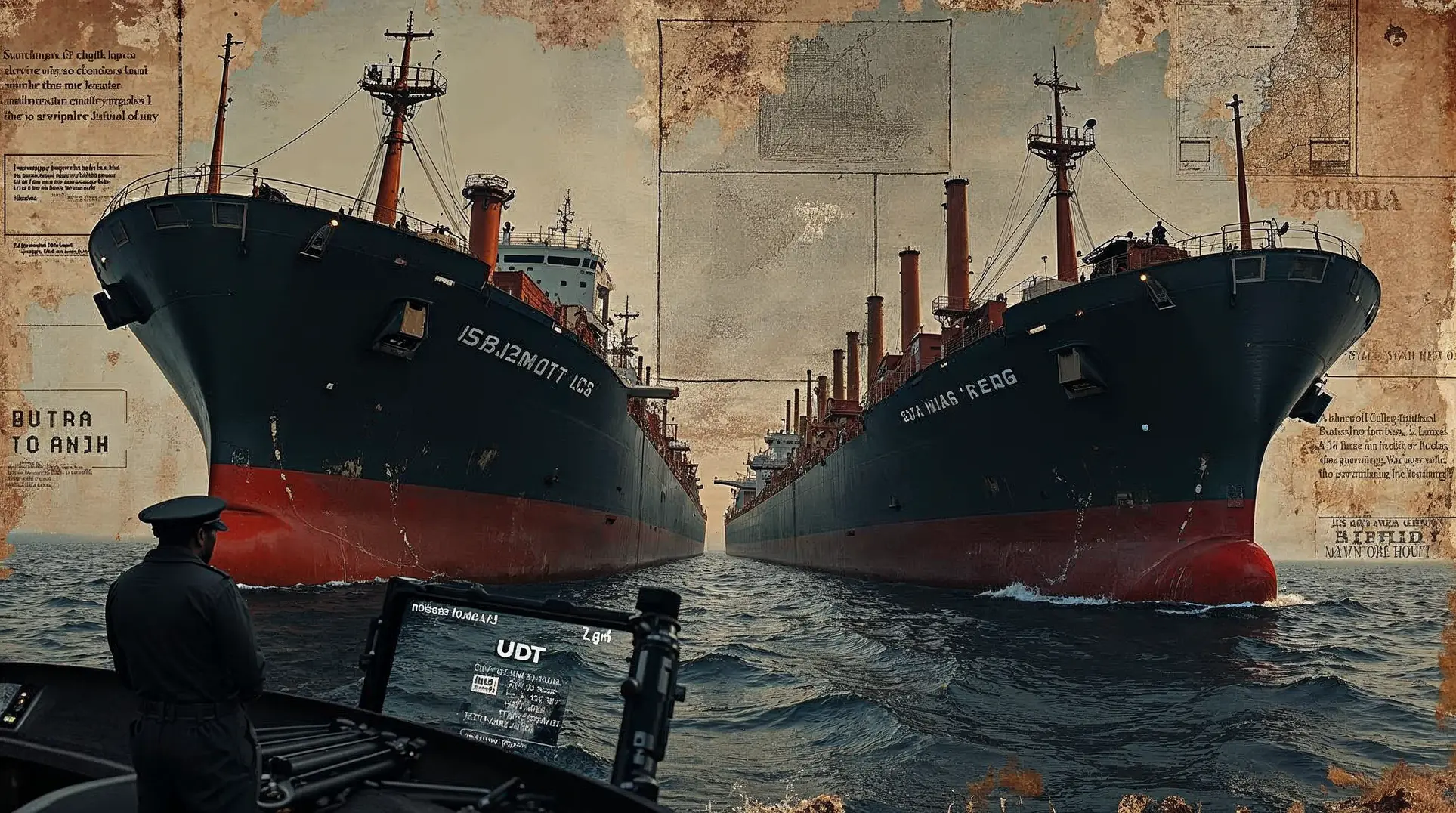
On December 10, 2025, President Donald Trump announced that US forces had seized a large oil tanker off the coast of Venezuela. Officials told Reuters the operation was led by the US Coast Guard; the tanker's name, flag state, and precise location remain undisclosed. Trump described it as "the largest [tanker] ever seized," though no corroborating detail has been released. Oil markets reacted immediately: Brent crude rose approximately $0.41 to $62.35 per barrel, while WTI climbed $0.21 to $58.46, according to Reuters.
The interdiction marks a significant shift in Washington's enforcement posture against Venezuelan oil exports. For six years, US pressure relied primarily on financial sanctions administered by the Office of Foreign Assets Control (OFAC), targeting Venezuela's state oil company PDVSA and limiting access to dollar clearing. The Coast Guard seizure signals a move toward direct maritime interdiction—raising the operational and legal stakes for third-party shippers, vessel owners, and the opaque networks that move Venezuelan heavy crude to Asian refiners.
From paper sanctions to physical seizures
Since 2019, OFAC sanctions have restricted commercial dealings with PDVSA, though limited activity continued under general licenses. In March 2025, the White House issued an executive order authorizing a 25 percent tariff on countries importing Venezuelan oil directly or indirectly, effective April 2. That measure shifted enforcement pressure from individual entities to entire jurisdictions, threatening trade partners—primarily in Asia—with economic consequences for absorbing sanctioned barrels.
The tanker seizure complements that tariff architecture by directly removing cargo from the market and imposing costs on logistics operators. According to a single-source report cited by Politico, the vessel was en route to Cuba; this claim remains unconfirmed. If accurate, the Cuba vector would fit a longstanding pattern: Washington has for years targeted oil transfers to Havana as a leverage point against both regimes.
Shipping analysts told CNBC that the seizure will likely chill participation by third-party tanker operators. According to Kpler data, Venezuela exported approximately 441,000 barrels per day year-to-date through early December 2025. Reuters reported that Venezuela's oil exports averaged 1.09 million barrels per day in September, the highest monthly level since February 2020, before declining to approximately 921,000 barrels per day in November. China remains the principal ultimate destination for these barrels, often routed through opaque intermediaries to obscure origin.
Members are reading: How Venezuela's stablecoin payments and shadow-fleet tactics create enforcement dilemmas Washington's interdiction strategy cannot fully solve.
Military escalation and the risk of miscalculation
The tanker seizure unfolds against a backdrop of significant US naval deployments in the Caribbean, ostensibly under a counter-narcotics mandate. As documented by the Council on Foreign Relations and Crisis.Zone reporting, Washington has conducted lethal strikes against vessels alleged to be trafficking drugs and has massed assets under Operation Southern Spear, a framework that blurs lines between interdiction and coercive signaling. Venezuela has responded by mobilizing militia units and showcasing air-defense systems, raising the prospect of miscalculation in contested waters.
The legal architecture underpinning these operations remains contested. The administration's terror designation of Venezuela has expanded claimed authorities for direct action, but the scope of permissible maritime enforcement in proximity to a sovereign state's coast is ambiguous under international law. Third-country vessels operating in the region now face heightened operational risk, even if their cargo or ownership structures appear compliant on paper.
Another variable is Chevron's role. Under OFAC General License 41A/41B, Chevron shifted from an operating posture to a wind-down status in 2025, though it still accounts for a significant share of Venezuela's production through joint ventures with PDVSA. The company has been in ongoing dialogue with the administration; any change in that license status—either expansion or full revocation—would materially alter Venezuela's export capacity and the calculus for remaining international operators.
What comes next
Key unknowns will shape the seizure's broader impact. The vessel's identity, flag state, cargo specifications, and the legal justification for interdiction have not been disclosed. How third countries—especially those hosting transshipment infrastructure or refining Venezuelan crude—respond will indicate whether the operation functions as a deterrent or a one-off symbolic action. OFAC enforcement actions targeting stablecoin facilitators, if forthcoming, would signal an extension of the pressure campaign into the crypto domain.
For now, the Coast Guard's operation off Venezuela's coast represents a threshold crossed: sanctions enforcement moving from financial tools to physical interdiction at sea. The strategic question is whether such actions can sustain pressure on Maduro's revenue streams without triggering broader escalation, fragmenting global oil markets, or prompting retaliatory moves by Caracas and its partners. The coming weeks will reveal whether this seizure was an isolated enforcement action or the opening of a more aggressive maritime phase in Washington's Venezuela policy.
Subscribe to our free newsletter to unlock direct links to all sources used in this article.
We believe you deserve to verify everything we write. That's why we meticulously document every source.


