


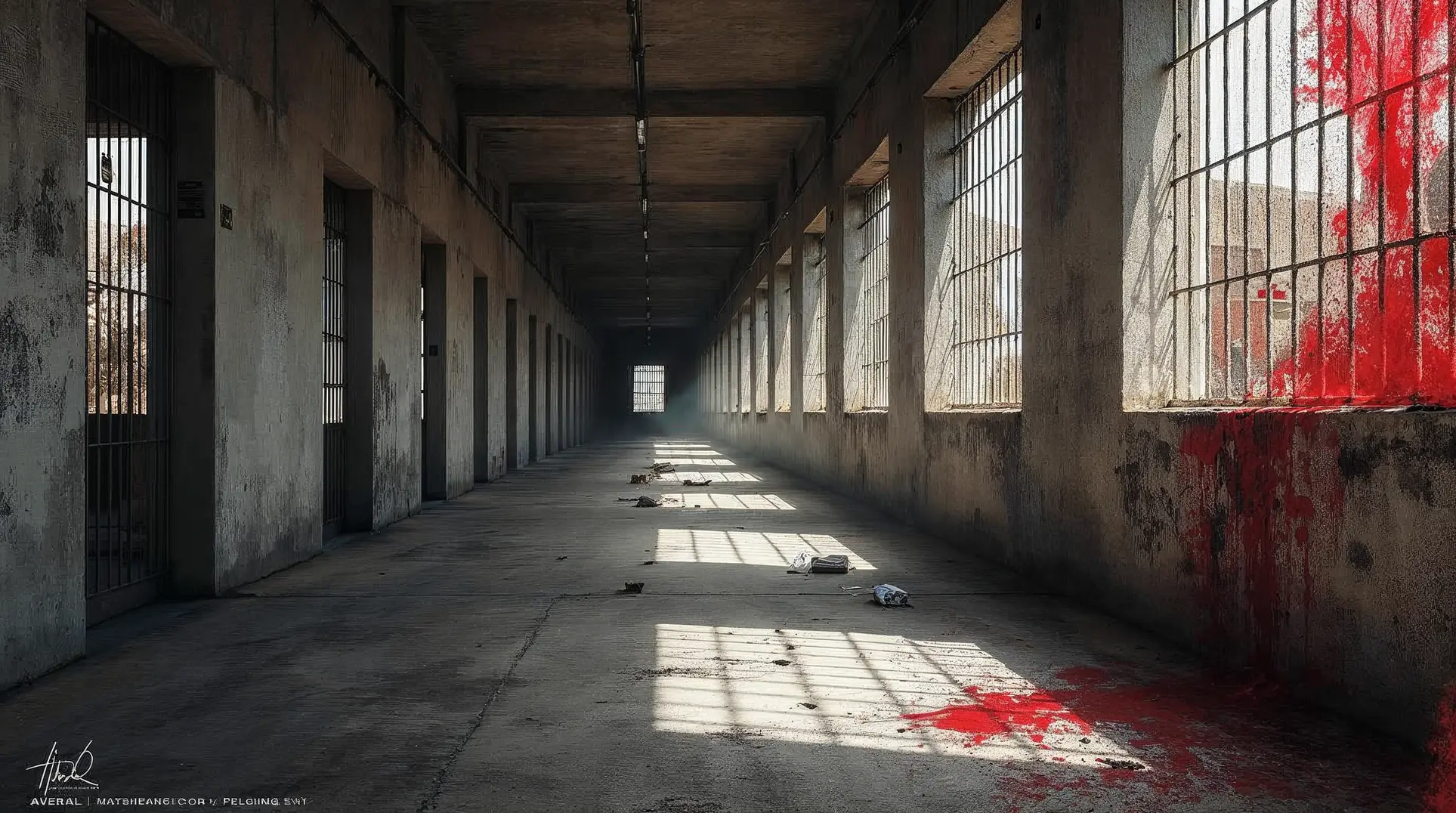
The United Nations Human Rights Council received formal findings on March 16, 2026, concluding that Israel's June 23, 2025, airstrike on Tehran's Evin prison constitutes a war crime under international law. Sara Hossain, head of the Independent International Fact-Finding Mission on Iran, presented evidence that Israeli forces intentionally directed attacks against a civilian object, killing at least 80 people, including one child and eight women.
The determination comes as ongoing U.S.-Israeli military operations threaten to trigger increased repression of Iranian prisoners and political detainees, according to explicit warnings from UN officials. The strike targeted a facility known to hold activists and dissidents, raising fundamental questions about the protection of civilian populations during armed conflict and the intentional targeting of political prisoners during military operations.
Investigation findings and casualty documentation
The UN investigation relied on victim interviews, witness testimony, satellite imagery analysis, and comprehensive documentation to reach its conclusion. The 80 confirmed deaths represent direct casualties from the airstrike itself, distinct from broader conflict casualties. Hossain's report determined that Israeli forces possessed sufficient intelligence to identify the facility as a civilian prison rather than a military installation, establishing the intentional nature of the attack.
Israeli government officials—including the prime minister's office, Foreign Ministry, and military command—have not responded to requests for statements regarding the findings. Israel withdrew from participation in the UN Human Rights Council prior to the investigation's conclusion, eliminating formal channels for Israeli engagement with the fact-finding process. This silence accompanies mounting allegations of war crimes by U.S. and Israeli forces across multiple theaters: more than 1,300 people have been killed in Iran since the current campaign began on February 28, 2026, including over 200 children, while 634 have died in Lebanon, including 91 children.
Members are reading: How the ICC Article 12(3) declaration could establish jurisdiction over crimes committed on Iranian territory, following precedents set by Palestine and Ukraine.
International legal accountability pathways
The UN's war crime finding has prompted advocacy organizations to urge Iran to file an Article 12(3) declaration with the International Criminal Court, granting the tribunal jurisdiction over war crimes and crimes against humanity committed on Iranian territory since February 28, 2026. This mechanism, previously utilized by Palestine and Ukraine, allows states not party to the Rome Statute to accept ICC jurisdiction. Palestine filed such a declaration in 2014, and Ukraine filed declarations before both subsequently ratified the Rome Statute. The mechanism enabled ICC investigations that produced arrest warrants against Israeli Prime Minister Benjamin Netanyahu and Russian President Vladimir Putin for alleged crimes in those conflicts.
Iran is not a state party to the Rome Statute establishing the ICC, meaning the court lacks automatic jurisdiction over crimes committed on Iranian soil. An Article 12(3) declaration would bridge this gap, allowing ICC prosecutors to investigate and potentially indict individuals responsible for attacks on civilian infrastructure, including the Evin prison strike. The precedent of the Netanyahu warrant demonstrates the mechanism's potential impact, though enforcement remains contingent on cooperation from states party to the Rome Statute.
The Evin prison strike occurred during the June 13-25, 2025 hostilities between Israel and Iran, which included Iranian ballistic missile attacks on populated areas in Israel. The United States became a party to the conflict on June 22, 2025, with airstrikes on Iranian nuclear facilities, to which Iran responded by attacking a U.S. airbase in Qatar. The UN investigation examined this broader context while concluding that the prison strike violated fundamental prohibitions against attacking civilian objects protected under international humanitarian law.
The war crime designation crystallizes a broader accountability crisis. Over 1,300 Iranian deaths and more than 600 Lebanese casualties since February 28 have occurred alongside allegations of systematic targeting of civilian infrastructure. The UN finding on Evin prison establishes a factual and legal baseline that other investigations may reference when examining the conflict's expanding casualty toll and the protection—or intentional targeting—of civilians during military operations designed to achieve political objectives through force.
Subscribe to our free newsletter to unlock direct links to all sources used in this article.
We believe you deserve to verify everything we write. That's why we meticulously document every source.


