


The United States and Iran have drafted a one-page, 14-point Memorandum of Understanding that could mark a breakthrough in de-escalating the Gulf conflict, with Iran expected to deliver a formal response within 48 hours. The Pakistan-mediated framework includes an Iranian nuclear enrichment moratorium, US sanctions relief, and the lifting of restrictions on Strait of Hormuz transit, according to sources familiar with the negotiations.
The MOU represents the most concrete diplomatic progress since peace talks collapsed in Islamabad in mid-April, triggering a US naval blockade of Iranian ports. However, the agreement's conditional structure defers rather than resolves core disputes between Washington and Tehran over nuclear capabilities and maritime control.
Conditional framework postpones key disputes
The proposed memorandum outlines a 30-day negotiation period following a ceasefire to pursue a comprehensive deal covering nuclear enrichment limits and permanent Strait reopening. US officials explicitly state that military forces retain the ability to restore the naval blockade or resume combat operations if these follow-on negotiations fail, indicating the MOU functions as a tactical pause rather than a strategic settlement.
Iran's latest proposal prioritizes reopening the Strait and lifting the US naval blockade before addressing nuclear concerns—a sequencing that directly contradicts US demands for upfront nuclear commitments. This suggests the MOU partitions issues rather than bridging the fundamental gap in priorities that has stalled previous talks.
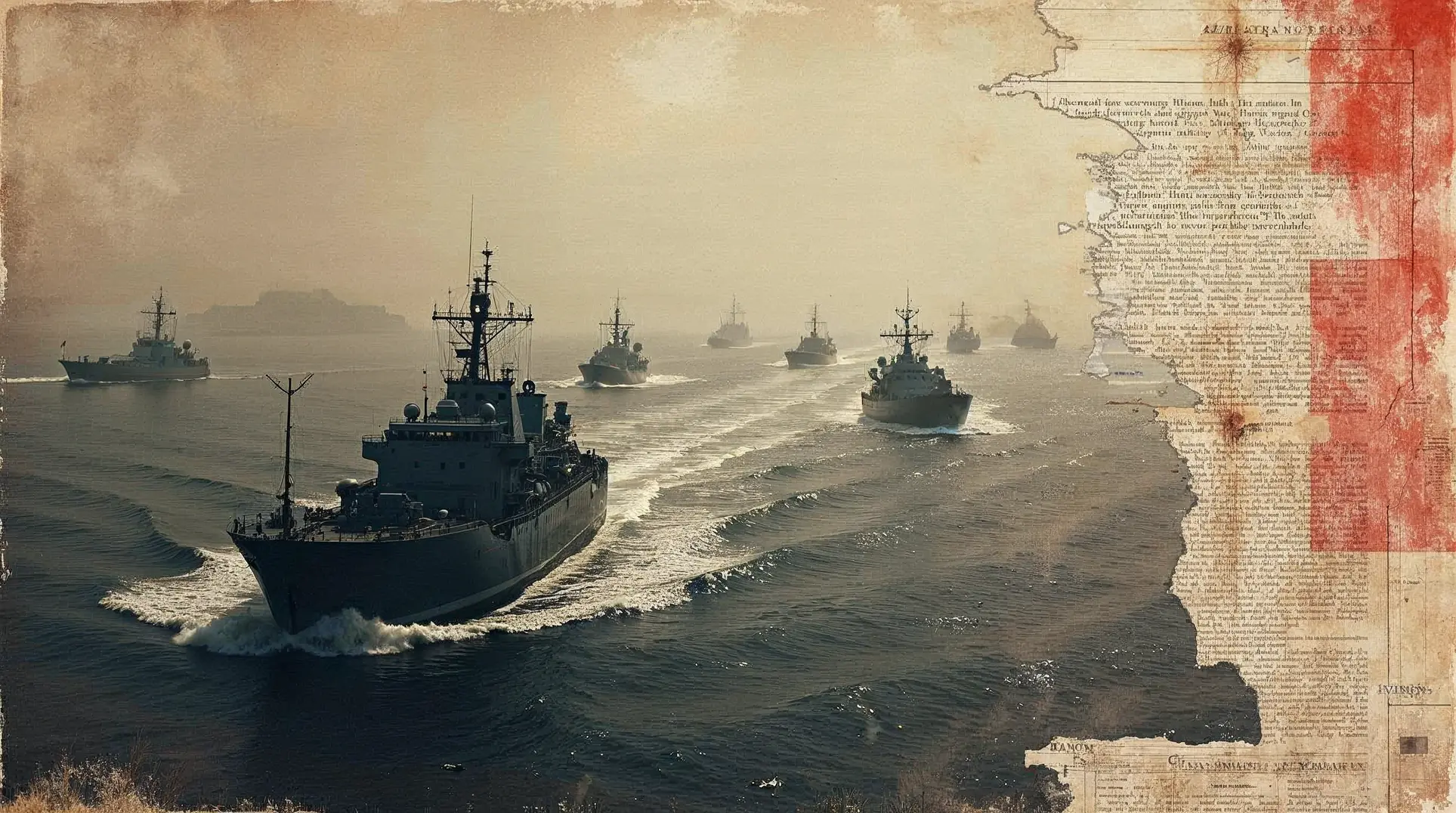
Members are reading: Why the 48-hour deadline exposes Iran's internal debate over whether tactical concessions lead to strategic vulnerability
Negotiation pressure intensifies
Pakistan's mediating role continues to provide a diplomatic channel despite sustained military tensions. The Strait of Hormuz, carrying approximately 20% of global oil supplies, has been the central flashpoint throughout the conflict, with Iran maintaining restrictions on passage while the US conducts naval interdiction operations on Iranian ports.
The 48-hour response window places immediate pressure on both capitals to decide whether the MOU's conditional framework provides sufficient basis for de-escalation, or whether the deferred resolution of nuclear and maritime disputes merely postpones the next confrontation. With US military assets positioned to resume operations and Iranian forces maintaining their Gulf posture, the coming two days will determine whether diplomacy can convert tactical pause into meaningful breakthrough.
Subscribe to our free newsletter to unlock direct links to all sources used in this article.
We believe you deserve to verify everything we write. That's why we meticulously document every source.


