


President Donald Trump issued a 48-hour ultimatum to Iran, demanding full reopening of the Strait of Hormuz and threatening to strike Iranian power plants if the waterway remains blocked. Trump stated via social media he would "hit and obliterate" Iran's energy infrastructure, "starting with the biggest one first," if the demand is not met by the deadline.
The ultimatum follows Iranian missile attacks on southern Israel that injured over 100 people in cities including Dimona and Arad, and an attempted strike on the US-UK base on Diego Garcia. The threat marks the most direct escalation yet in the 23-day conflict that began February 28, 2026, with Iran using the Strait of Hormuz as leverage against joint US-Israeli operations.
Current status of the waterway
Iran maintains the Strait of Hormuz remains open to all shipping except vessels belonging to "Iran's enemies," according to Iranian officials. Tehran has also implemented what it describes as a $2 million fee for some ships transiting the strategic chokepoint, which carries approximately 20% of global crude oil supply and significant liquefied natural gas volumes.
Iranian officials warned they would retaliate against US-linked energy infrastructure in the Gulf if Washington strikes Iranian power plants. The conflict has resulted in over 160 injuries in Israel from Iranian missile strikes, with total casualties exceeding 2,000 deaths across multiple theaters, including more than 1,500 in Iran, 1,000 in Lebanon, and 15 in Israel.
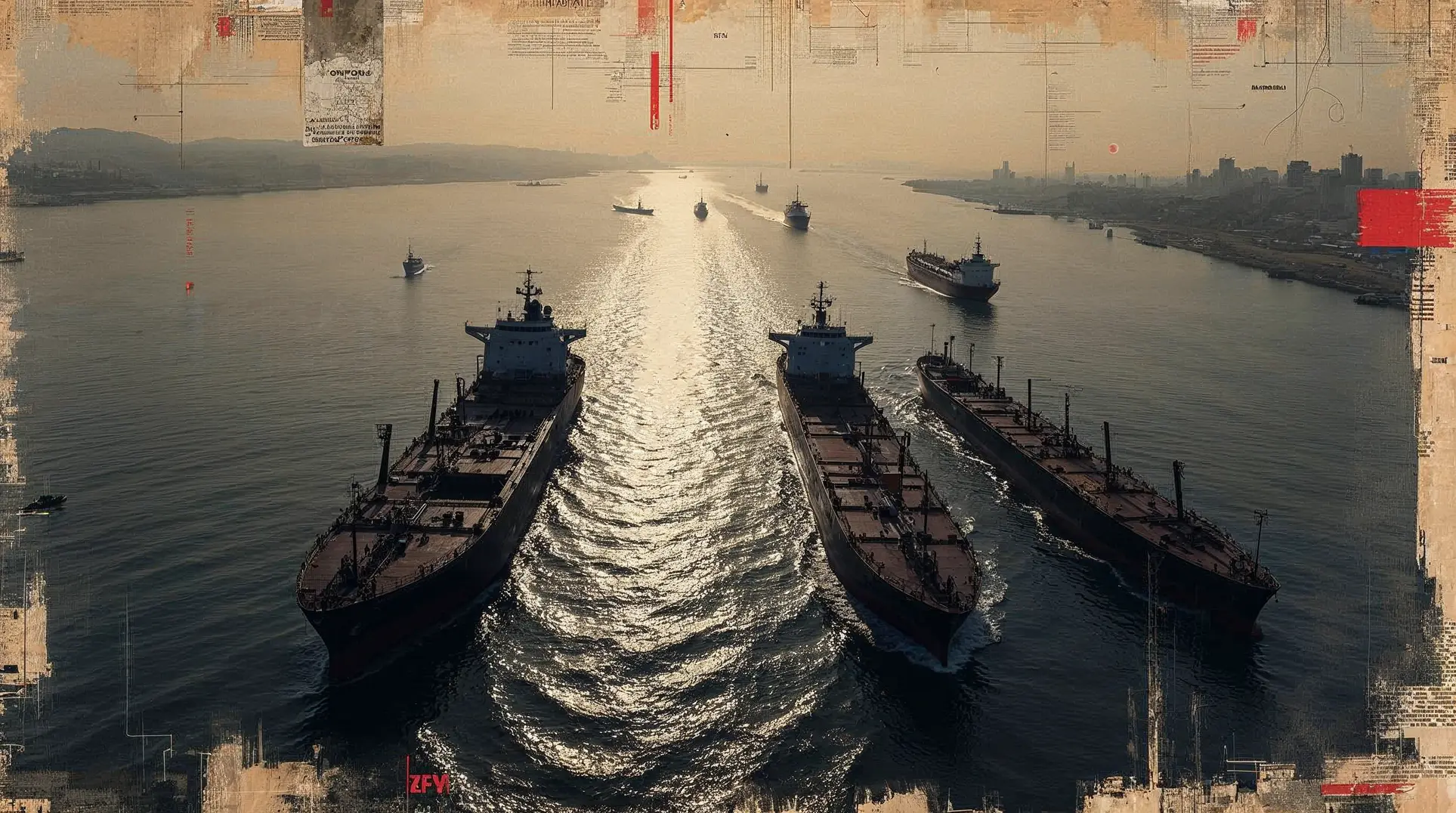
Members are reading: How the 48-hour deadline creates immediate escalation risks for both civilian infrastructure and Gulf energy security.
Global economic implications
The ultimatum occurs amid significant energy market disruption. Global oil prices have soared since Iran began restricting Strait traffic, and equity markets face potential instability depending on the ultimatum's outcome. International efforts to secure the waterway through naval escorts have largely failed, with allied nations rebuffing Trump's calls for coalition participation.
The conflict's expansion has drawn international attention to the vulnerability of global energy supply chains concentrated through the narrow waterway. An internet blackout has been in effect in Iran for 23 days, limiting information flow about the situation inside the country. The 48-hour deadline expires March 24, creating an immediate decision point in a conflict where Trump has simultaneously threatened escalation while signaling interest in "winding down" military operations.
Subscribe to our free newsletter to unlock direct links to all sources used in this article.
We believe you deserve to verify everything we write. That's why we meticulously document every source.


