


President Donald Trump on March 6, 2026 publicly demanded Iran's "unconditional surrender," declaring "there will be no deal with Iran except UNCONDITIONAL SURRENDER!" in a social media statement that marks a dramatic hardening of US war aims. Trump also asserted Washington's right to help select Iran's next Supreme Leader, a claim that Iranian officials immediately rejected as Iranian Foreign Minister Abbas Araghchi stated Iran stood ready to counter any US ground invasion, warning it would be "a big disaster for them."
The escalation comes as the US-Israel war against Iran enters its second week, with relentless air campaigns having already killed at least 1,230 people in Iran and 123 in Lebanon. The conflict began February 28 following the collapse of nuclear negotiations, and has since expanded to include Israeli operations in Lebanon and Iranian closures of the Strait of Hormuz. Trump's maximalist demand, coupled with Iran's defiant response, eliminates any remaining diplomatic space for negotiated settlement in the near term.
Latest situation update
The US-Israel air campaign has intensified across multiple fronts. Israeli Air Force sorties reached 1,600 by March 3, delivering over 4,000 munitions against Iranian targets including air defenses, ballistic missile facilities, and nuclear sites. The March 3 Israeli strike on the Assembly of Experts in Qom targeted clerical leadership during the process to select a successor to Supreme Leader Ali Khamenei, who was reportedly killed in the initial strikes. Iran's presidential office, IRGC bases, and state broadcasting infrastructure have all sustained damage. The International Atomic Energy Agency confirmed damage to the Natanz nuclear facility but reported no radiological release.
Iran has retaliated with missile and drone strikes against Israeli territory and US military installations across Gulf states including Qatar's Al Udeid Air Base and facilities in the UAE. The Islamic Republic closed the Strait of Hormuz on March 1, sending oil prices surging and demonstrating Tehran's capacity to disrupt global energy markets despite military degradation. Israel expanded operations into Lebanon on March 2, bombing Beirut and ordering mass evacuations after Hezbollah launched retaliatory strikes. The Lebanese Health Ministry reported 123 fatalities from Israeli operations, while Israel confirmed 11 deaths from Iranian and Hezbollah attacks.
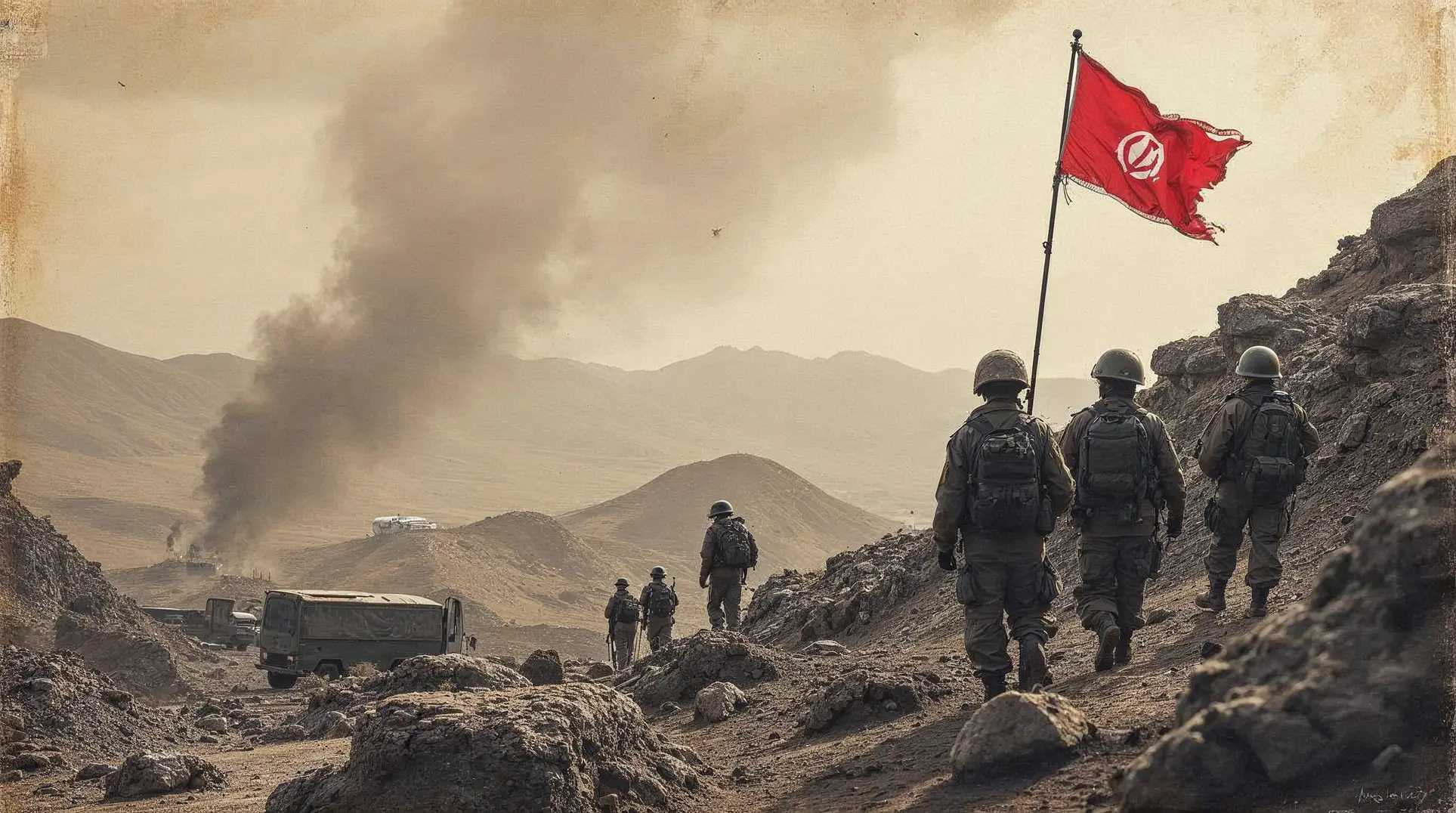
Members are reading: Analysis of Iran's ground defense capabilities and whether Washington's strategy relies on military collapse or prolonged attrition
Regional and humanitarian consequences
The conflict's expansion has drawn in multiple regional actors and generated a growing humanitarian crisis. Iran's closure of the Strait of Hormuz—through which roughly 20% of global oil passes—has sent Brent crude prices above $110 per barrel, with analysts warning of sustained energy market disruption if the waterway remains blocked. Gulf states hosting US military infrastructure face Iranian retaliation despite several having expressed reluctance to support offensive operations against Tehran.
The humanitarian toll continues to mount. At least 1,230 Iranian civilians have been killed according to preliminary counts, though communication disruptions and ongoing strikes make comprehensive casualty assessment impossible. Lebanon's re-entry into active conflict following the 2024 ceasefire collapse has displaced tens of thousands from southern districts, with the UN reporting critical shortages of medical supplies as Israeli strikes continue. The war's duration and scope now exceed initial US-Israeli projections of limited strikes, creating conditions for prolonged regional instability with no clear endgame in sight.
Subscribe to our free newsletter to unlock direct links to all sources used in this article.
We believe you deserve to verify everything we write. That's why we meticulously document every source.


