


The Thai-flagged bulk carrier Mayuree Naree was struck by unknown projectiles approximately 11 nautical miles north of Oman on March 11, 2026, causing a fire onboard and triggering rescue operations that saved 20 of 23 crew members. Three crew members remain missing, believed to be aboard the damaged vessel assisting with stabilization efforts, according to maritime security reports.
The attack on the Mayuree Naree, owned by Precious Shipping Pcl and en route from Khalifa port in the United Arab Emirates to Kandla, India, occurred as part of a broader assault on at least three vessels in the Strait of Hormuz the same day. Iran appeared to claim responsibility for the attack, stating the vessel had "ignored warnings," marking an escalation in the Islamic Revolutionary Guard Corps' maritime campaign that began March 1.
Strategic shift from harassment to denial
The March 11 attacks represent the most recent phase of Iran's response to US and Israeli strikes under Operation Epic Fury in late February 2026. What distinguishes the current campaign from previous Iranian maritime pressure tactics is the abandonment of selectivity. Where Tehran historically targeted vessels with specific strategic significance—tankers carrying particular cargoes, ships flagged to adversarial states—the strikes since March 1 have demonstrated indiscriminate targeting across flag states, cargo types, and vessel ownership structures.
The Mayuree Naree exemplifies this shift. A Thai-flagged bulk carrier with no apparent strategic value to US-Israeli operations became a target simply by transiting through waters Iran now treats as an active denial zone. This approach maximizes disruption to global commerce while signaling that Tehran retains the capacity to impose severe economic costs in response to military pressure.
Maritime security analysis by Windward AI characterizes Iran's current operations as an "indiscriminate area denial strategy," a designation that carries significant implications for international shipping and energy markets. The transformation of the Strait of Hormuz—through which approximately one-fifth of global oil supplies transit—from a contested but navigable waterway into an active conflict zone represents a qualitative shift in regional security dynamics.
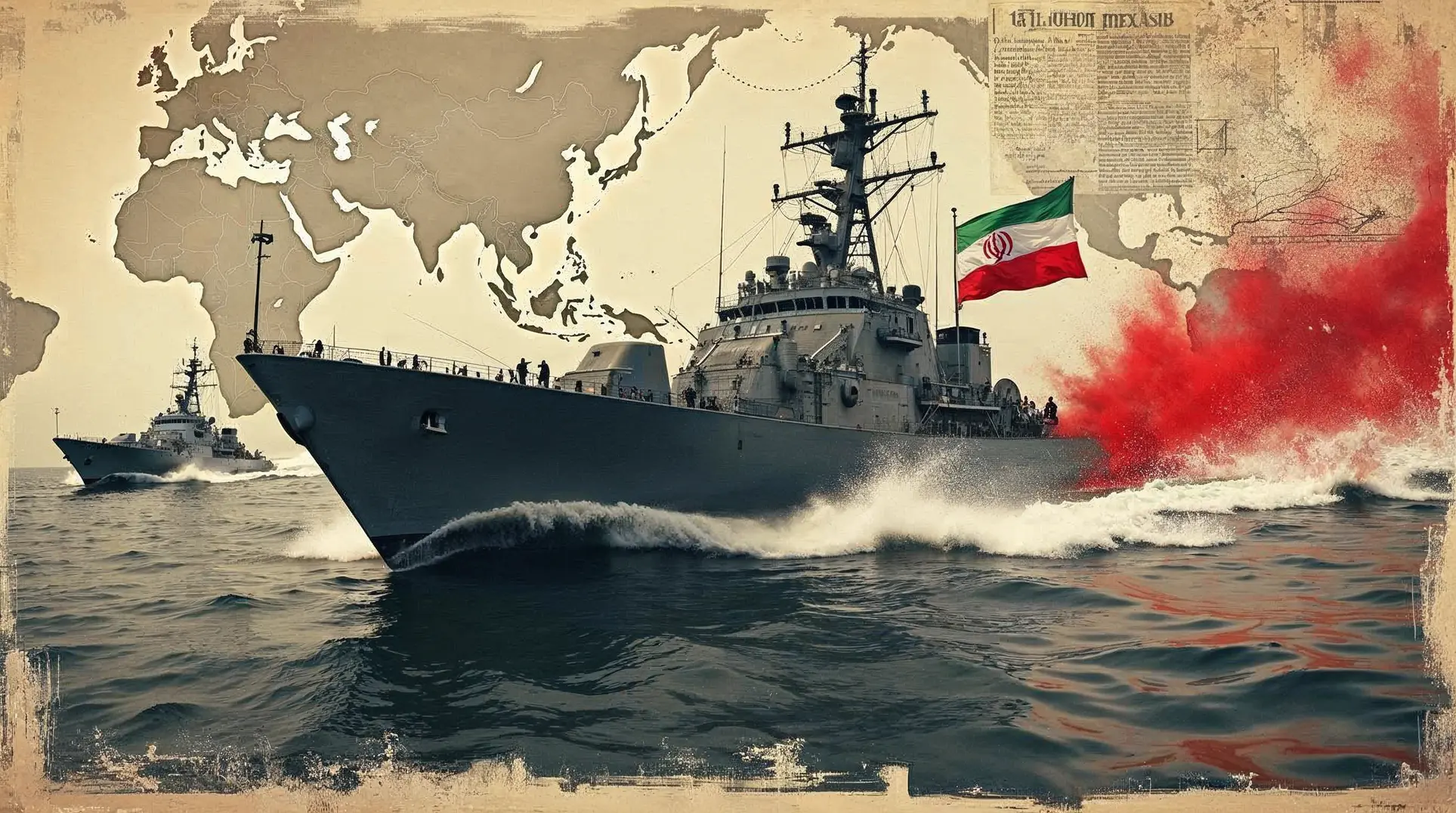
Members are reading: How Iran's shift to indiscriminate strikes transforms commercial shipping vulnerability into strategic leverage and what the operational pattern reveals about Tehran's escalation calculus.
Structural vulnerabilities exposed
The attacks expose fundamental limitations in international maritime security frameworks. While the United Kingdom Maritime Trade Operations coordinates incident reporting and the US Fifth Fleet maintains regional presence, responses to multiple simultaneous attacks across dispersed locations remain constrained. Naval escort capacity cannot scale to protect the volume of commercial traffic that normally transits these waters—approximately 21 million barrels of oil daily, plus significant liquefied natural gas volumes and general cargo.
Insurance markets have already responded to the escalating threat environment, with premiums for vessels transiting Gulf waters surging following the initial March 1 attacks. The human cost remains equally severe: beyond the three missing crew from the Mayuree Naree, previous attacks in the campaign killed at least five crew members and injured dozens more across vessels including the *Skylight*, *MKD Vam*, and *Musafa 2*.
Iran's maritime campaign demonstrates how geographic advantage combined with asymmetric capabilities can create disproportionate leverage against conventional military superiority. The 21-mile-wide chokepoint of the Strait of Hormuz becomes not just a strategic asset but an instrument of coercion, transforming commercial shipping from a neutral activity into a vulnerable pressure point in regional power competition.
Subscribe to our free newsletter to unlock direct links to all sources used in this article.
We believe you deserve to verify everything we write. That's why we meticulously document every source.


