


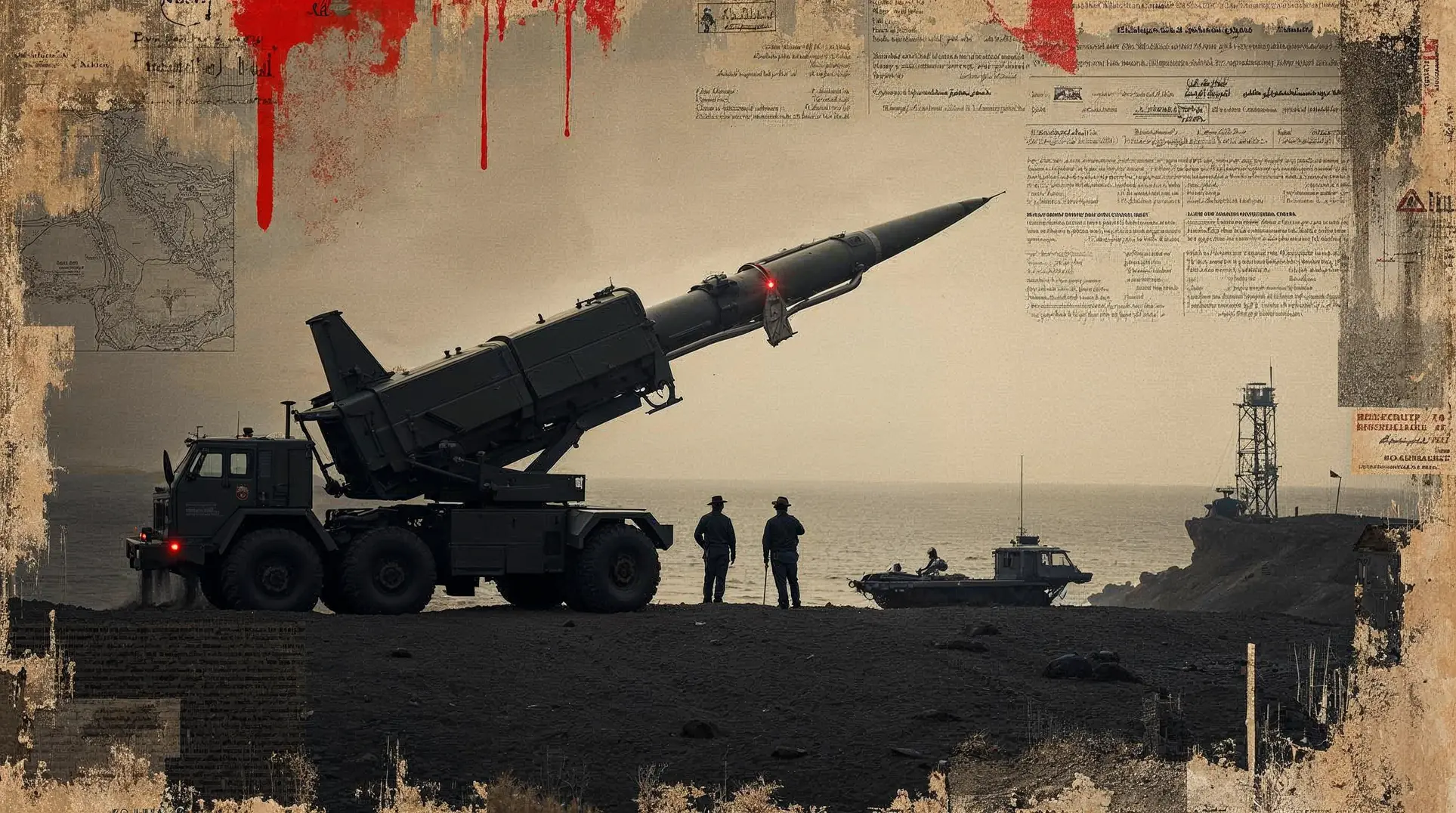
The United States launched airstrikes on over 80 Iranian military targets last night, following Iran's attack on three commercial vessels in the Strait of Hormuz. Iran's Revolutionary Guard Corps immediately retaliated with missile strikes targeting US military installations in Kuwait and Bahrain. The rapid escalation directly threatens the 60-day ceasefire Memorandum of Understanding signed June 13 that ended three months of conflict.
US Central Command confirmed strikes hit missile and drone storage facilities, coastal radar installations, and defense production sites along Iran's southern coastline. The operation is not the first major US military action against Iranian infrastructure since the MOU formalized the ceasefire framework. The US Treasury simultaneously revoked Iran's ability to openly sell crude oil, directly contravening a key economic relief provision of the agreement.
Immediate retaliation cycle accelerates
Iran's IRGC announced what it termed a "crushing response" hours after the US strikes, targeting eight military sites across Kuwait and Bahrain where US Fifth Fleet maintains significant presence. Jordan's military confirmed intercepting 20 Iranian missiles approaching a US-operated air base, though independent verification of the claimed strikes on Jordanian territory remains pending. Both sides are accusing each other of violating the MOU's terms prohibiting hostile actions.
The US maintains Iran's attacks on commercial shipping constitute a breach of the agreement, which explicitly required toll-free passage through the Strait of Hormuz. Iran counters that US airstrikes and the reimposition of oil sanctions violate Washington's immediate obligations under the MOU framework. This mutual accusation pattern mirrors the contradictions that characterized earlier failed ceasefire attempts, where both sides interpreted identical provisions to support opposing positions.
Members are reading: Why the MOU's contradictions make renewed escalation inevitable without fundamental renegotiation
Ceasefire framework under immediate pressure
The escalation places Pakistan's mediation efforts in jeopardy. The MOU established a 60-day window for technical negotiations on Iran's nuclear program and permanent Strait of Hormuz administration, with both provisions now contested. Previous US-Iran negotiations have repeatedly collapsed over these exact issues—nuclear verification protocols and maritime control—suggesting the current framework may lack sufficient foundation to withstand operational pressure.
Military sources indicate continued low-level missile and drone activity throughout the Gulf region despite the formal ceasefire. The Strait of Hormuz remains the immediate flashpoint, with Iran asserting coordination authority over passage while the US demands unconditional access. Whether the current exchange represents a temporary spike that both sides can contain or the beginning of sustained operations will become clear within days as diplomatic channels either activate or fail to prevent further retaliation.
Subscribe to our free newsletter to unlock direct links to all sources used in this article.
We believe you deserve to verify everything we write. That's why we meticulously document every source.


