


Lukashenko frees 123, including Nobel laureate Bialiatski, after talks with Trump envoy. U.S. lifts potash sanctions—raising leverage hopes and transatlantic questions.
Belarus released 123 political prisoners on December 13, 2025, following two days of talks in Minsk between President Alexander Lukashenko and John Coale, a special envoy for U.S. President Donald Trump. Among those freed were Ales Bialiatski, the 2022 Nobel Peace Prize laureate and veteran human-rights defender, and Maria Kalesnikava, a prominent opposition figure detained since the 2020 protests. In exchange, Washington agreed to lift sanctions on Belarusian potash, a strategic export that has been crippled by Western restrictions since 2021. Coale framed the exchange as part of a broader effort toward normalizing relations between Washington and Minsk, stating that the relationship was moving from "baby steps to more confident steps" as dialogue increased.
The release represents the largest single group of prisoners freed since Washington began direct engagement with Lukashenko earlier this year, and it raises fundamental questions about transactional diplomacy with authoritarian regimes. While the human outcome is unambiguously positive, the strategic calculus is more complex: Does easing economic pressure on a close Russian ally buy meaningful leverage over Minsk, or does it undercut European sanctions coordination and reward hostage-taking tactics?
The deal and its immediate contours
Coale's Minsk visit, the details of which were confirmed by Belarusian state media and U.S. officials, explicitly linked the prisoner release to sanctions relief on potash. Belarusian state agency Belta framed the pardons as a unilateral presidential act, but the quid-pro-quo was clear. Some released prisoners were expected to travel to Lithuania; others were transferred to Ukraine for medical checks before continuing to Poland and Lithuania. As of this writing, exact movements and guarantees of safe passage remain partly unclear.
Opposition figures in exile welcomed the releases but issued sharp warnings. Sviatlana Tsikhanouskaya and other exiled leaders cautioned that hundreds of political prisoners remain jailed, that domestic repression continues unabated, and that sanctions concessions risk legitimizing Lukashenko's tactics. The European Union, which does not recognize Lukashenko as president and has maintained a harder line since the 2020 election, had not signaled any parallel relaxation of its own measures at the time of the announcement.
Why potash matters
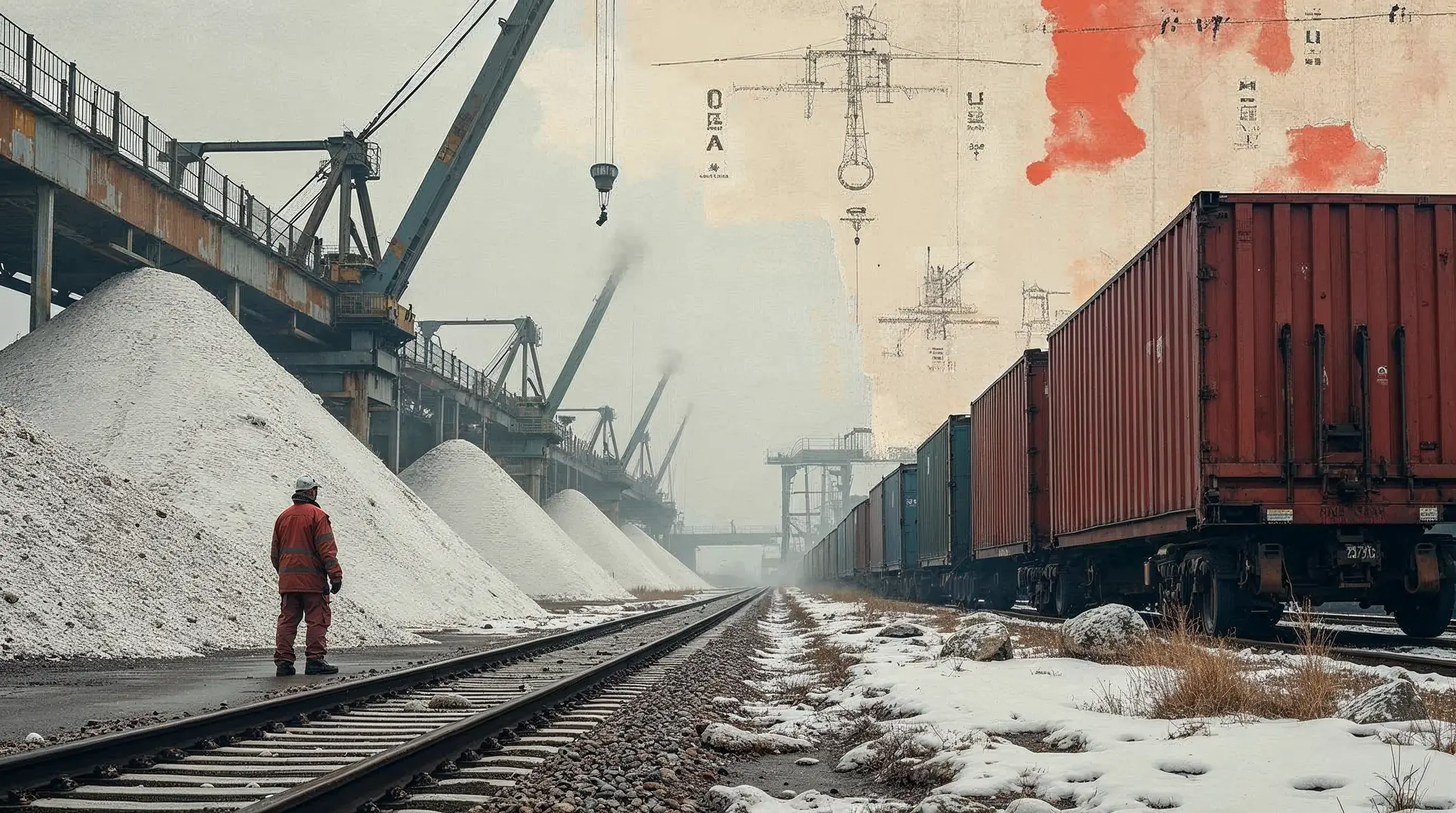
Potash is not a peripheral commodity. Belarus is one of the world's largest producers, and potash—a key input for fertilizer—has historically been a pillar of the regime's export earnings. U.S. and EU sanctions imposed in 2021, and tightened after Belarus enabled Russia's February 2022 invasion of Ukraine, targeted both the product itself and the logistics infrastructure required to move it. Poland's deployment of 10,000 troops to guard infrastructure and Lithuania's emergency measures against hybrid threats underscore how deeply eastern-flank states view Belarusian and Russian hybrid pressure—and why they are wary of sanctions relief.
Analysis by the Centre for Eastern Studies (OSW) shows that sanctions drove Belarus's global potash market share down from roughly 20 percent to 9 percent in 2022. The loss of access to Lithuania's Klaipėda port forced reliance on longer, costlier Russian routes and put Belarusian producers into direct competition with Russian suppliers. Minsk responded by heavily discounting exports to China, while sales to India nearly collapsed and direct EU imports ceased under embargo. Industry observers have described the sector as on the brink of collapse without sanctions relief.
Members are reading: Why potash relief may stabilize Lukashenko financially without changing his alignment with Moscow—and what that means for EU strategy.
What to watch
Several indicators will clarify whether this exchange represents a genuine opening or a tactical misstep. First, the scope and timing of U.S. sanctions relief: Will it be narrowly targeted at potash, or does it presage broader easing? Second, whether additional prisoner releases follow, and whether domestic repression measurably declines or simply rotates targets. Third, any verifiable Belarusian facilitation of dialogue on Ukraine or moderation of military cooperation with Russia. Fourth, the EU response: Will Brussels hold the line on its own potash embargo and port restrictions, or will member states consider carve-outs under U.S. pressure? Finally, market signals—pricing, shipping, and insurance behavior—will reveal the practical economic impact of U.S. relief in the face of continuing EU restrictions.
The immediate humanitarian outcome is significant: 123 individuals, including two of Belarus's most prominent political prisoners, are free. But the strategic trade-off remains unresolved. Transactional engagement can deliver discrete wins; it can also stabilize authoritarian regimes and fracture allied coordination. The coming weeks will show which dynamic dominates—and whether Washington's gamble on Lukashenko yields leverage or simply funds another round of repression.
Subscribe to our free newsletter to unlock direct links to all sources used in this article.
We believe you deserve to verify everything we write. That's why we meticulously document every source.


