


Vilnius requests parliamentary approval for troops to join border operations after hundreds of Belarus-origin balloons and drones disrupted civil aviation, as Brussels signals potential sanctions.
Lithuania declared a state of emergency on Tuesday and asked parliament to authorize military support for police and border guards, formalizing a nationwide response to a wave of smuggler balloons from Belarus that has repeatedly closed airports and grounded flights. The government decision came after approximately 600 balloons and nearly 200 drones entered Lithuanian airspace in 2025, disrupting more than 300 flights, affecting roughly 47,000 passengers, and forcing Vilnius Airport—less than 50 kilometers from the Belarusian border—to close for over 60 cumulative hours this year.
The move marks a shift from treating the incursions as a customs and policing problem to a national security threat requiring military involvement in civil protection. Interior Minister Vladislav Kondratovič, designated national operations manager for the emergency, said the regime would enable the army to work alongside the Interior Ministry and, where necessary, independently to control the threat these balloons pose to civil aviation and territorial integrity.
Military powers and parliamentary process
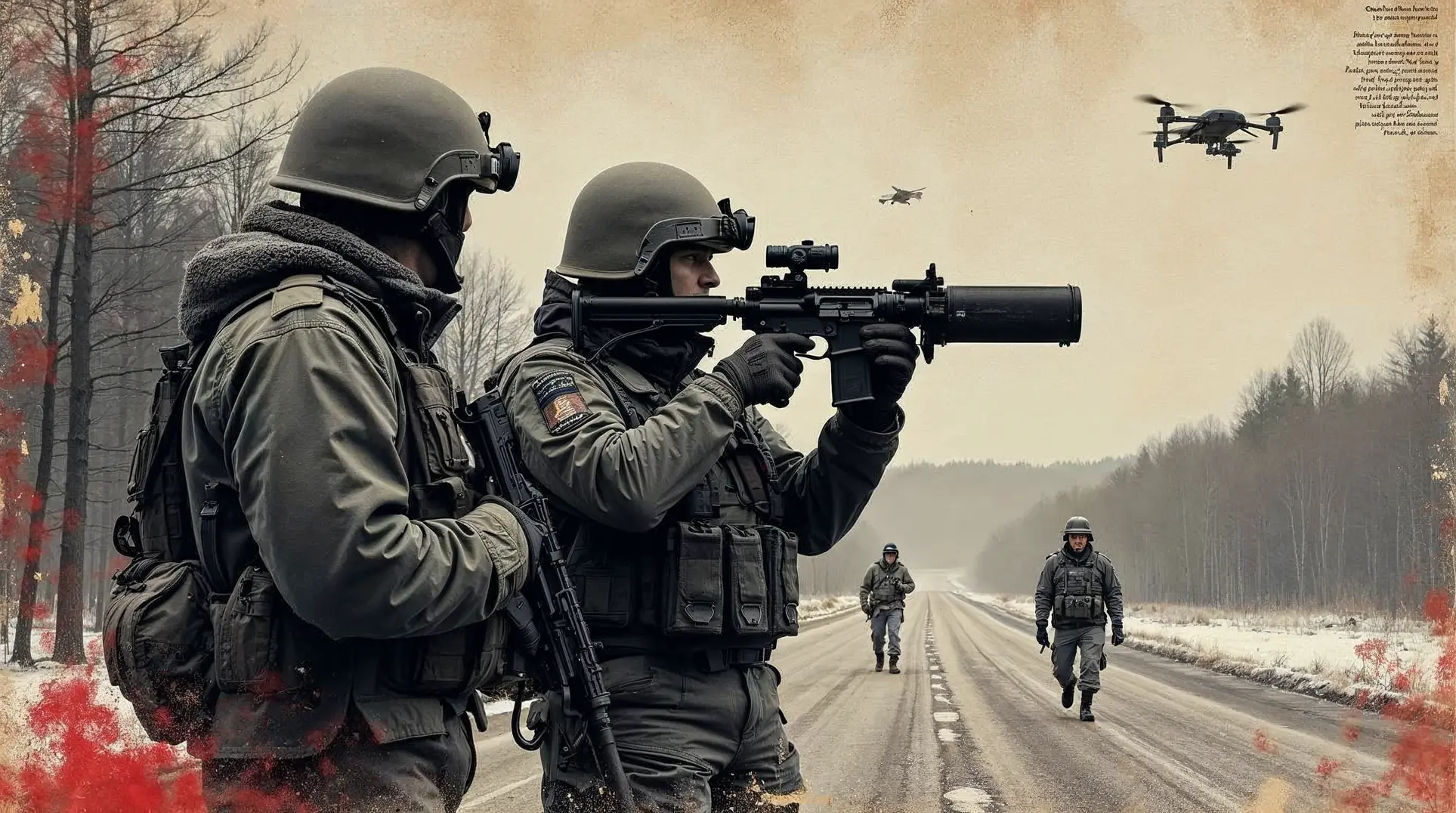
Under the draft measures submitted to the Seimas, Lithuania's parliament, the military would gain temporary authority to restrict access to certain areas, conduct vehicle searches, carry out identity checks, detain suspects, limit or ban vehicle traffic, halt work in specific locations, and inspect identification documents, vehicles, weapons, and personal belongings. Troops would also be empowered to issue mandatory orders to individuals and organizations and deploy special equipment in coordination with border guards and police.
If approved, the expanded powers would apply for three months, with the overall state of emergency subject to monthly review by the Interior Ministry. The government applied the regime nationwide rather than only to border zones because balloons travel with the wind and the threat can migrate across municipalities, officials said. Lithuania previously declared emergencies along the Belarusian border in November 2021 amid a spike in migrant crossings and nationwide in February 2022 after Russia's full-scale invasion of Ukraine.
Surge pattern and operational disruption
Activity surged in October, prompting temporary closure of two border crossings with Belarus at the end of that month. The border later reopened as incursions dipped in November before surging again. Vilnius Airport has faced multiple nighttime shutdowns; Kaunas experienced at least one disruption. The sheer volume—600 balloons and 200 drones in three months—and the targeting of airspace near critical infrastructure have imposed measurable economic and operational costs on Lithuania's civil aviation sector and public order.
The pattern mirrors the broader wave of airspace incursions across northern and eastern Europe, where hybrid tactics have expanded from military drones to low-cost, deniable vectors such as smuggling balloons. The proximity of Vilnius Airport to Belarus and the concentration of closures there suggest the incursions are not randomly distributed contraband logistics but follow flight corridors and infrastructure nodes.
Members are reading: Why Lithuania's militarized response to balloons tests NATO's gray-zone playbook and could set a template for the eastern flank.
EU response and alliance implications
European Commission President Ursula von der Leyen condemned the balloon incursions as an unacceptable hybrid attack and signaled potential further EU sanctions against Minsk. The statement elevates the issue from bilateral friction to a Brussels-level concern and suggests coordination with other eastern flank states facing similar incursions. NATO has begun deploying AI-powered counter-drone systems to address airspace violations, but balloons present distinct challenges: they are slower, less predictable, and harder to intercept without risking civilian harm or airspace safety.
Lithuania's move also raises questions about rules of engagement for low-cost aerial incursions and coordination protocols between military and civil aviation authorities. If balloons and drones continue, other Baltic and eastern European states may follow Vilnius in granting troops domestic counter-intrusion powers, normalizing military involvement in what were traditionally policing and customs functions.
Template or exception
Lithuania's emergency declaration will be scrutinized across NATO's eastern flank as a possible template for managing hybrid threats that don't trigger Article 5 but disrupt civil life and impose sustained economic costs. The parliamentary debate over military powers, the one-month review cycle, and the geographic scope of the emergency will test whether democracies can calibrate temporary militarization without eroding civil oversight. How Vilnius manages the balance—and whether the balloon incursions persist or recede—will shape alliance-level discussions on counter-drone and counter-balloon defenses, civil aviation protocols, and the threshold at which smuggling becomes hybrid warfare.
Subscribe to our free newsletter to unlock direct links to all sources used in this article.
We believe you deserve to verify everything we write. That's why we meticulously document every source.


