


Poland scrambled quick-reaction fighter pairs and an early warning aircraft Wednesday morning, closing two airports in its southeast as Russia launched a massive combined missile and drone assault across Ukraine. The Operational Command raised ground-based air defense and radar systems to maximum readiness, temporarily shutting Rzeszów and Lublin airports "to ensure freedom of operation for military aviation" before reopening them later the same day. Romania simultaneously activated air defenses after detecting a drone incursion near Tulcea and Galați, scrambling Eurofighters and F-16s with no impacts found.
The scrambles underscore a narrowing margin for error along NATO's eastern flank, where the alliance's readiness posture now pivots on a weekly—sometimes daily—rhythm. But the more significant escalation came 24 hours earlier: Ukraine's confirmed use of long-range ATACMS missiles to strike inside Russia at Voronezh on November 18, marking a threshold-crossing moment in Kyiv's deep-strike campaign concurrent with intensified Russian barrages against Ukraine's energy grid.
The air defense squeeze
Russia's November 19 barrage hit multiple Ukrainian regions—Khmelnytskyi, Ivano-Frankivsk, Rivne, Lviv, Dnipropetrovsk, and Kharkiv—with explosions and air-raid alerts rippling across the west after 5 a.m. The attacks caused emergency power outages and damaged energy infrastructure, part of Moscow's winter campaign targeting Ukraine's power generation and gas networks. Kharkiv endured drone strikes for a third consecutive day, with dozens injured and rescue operations ongoing.
For Poland, these strikes create operational imperatives that extend beyond Ukraine's borders. Rzeszów functions as NATO's principal logistics hub for Western military aid to Kyiv; any threat to airspace over southeastern Poland carries immediate strategic consequences. The scrambles and temporary airport closures have become a routinized risk-management tool rather than a prelude to direct engagement, calibrated to demonstrate readiness while staying below Article 5 thresholds.
Romania's repeated exposure to drone spillover near Danube ports tied to Ukrainian grain exports follows the same logic. Both Warsaw and Bucharest are mapping air defense seams in real time, testing interception protocols and command handoffs as Russian munitions transit near or across their borders. NATO's deployment of AI-powered counter-drone systems reflects the alliance's recognition that eastern flank airspace management now requires layered, automated responses to maintain sustainable readiness cycles.
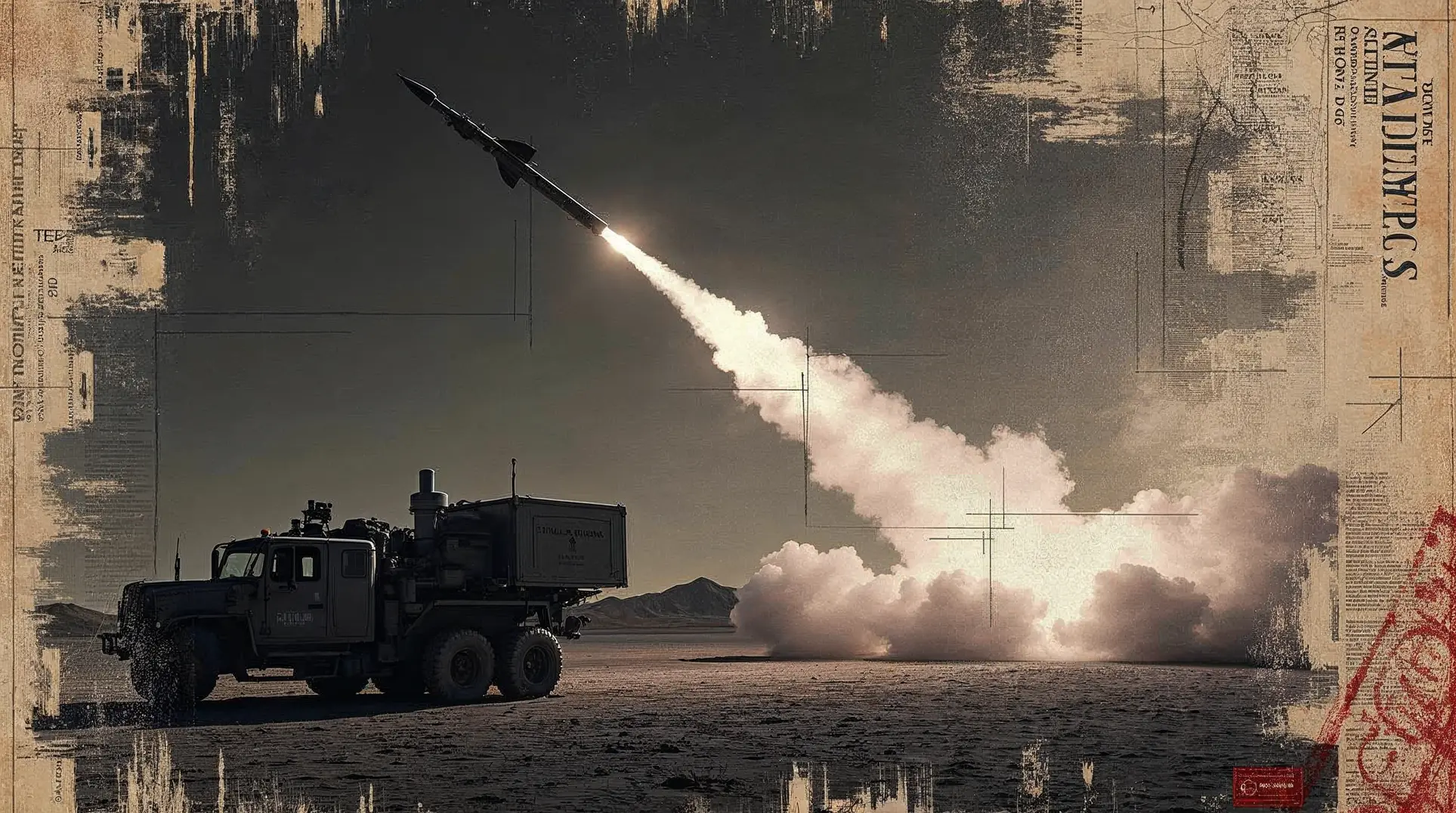
Members are reading: How Ukraine's ATACMS strike into Russia compounds NATO's eastern flank dilemma and narrows the margin for miscalculation.
The hybrid layer: sabotage on strategic rails
Air defense is not the only vector under pressure. Poland is investigating sabotage on strategic rail lines to Ukraine, with Prime Minister Donald Tusk announcing that two suspects—Ukrainian citizens allegedly collaborating with Russian intelligence—were identified in a railway blast case and fled to Belarus. Devices were used to detonate trackside explosives and attempt derailment on the Warsaw-Lublin corridor, vital to aid flows via Poland. Moscow denied involvement.
The incidents fit a wider pattern of arson, cyberattacks, and subversion across NATO territory since the war began. Logistics protection is now strategic: sabotage against Polish rail and persistent strikes against Ukrainian energy nodes both aim to slow repair cycles and complicate sustainment. Warsaw will likely harden rail chokepoints and expand counter-sabotage and counter-UAS layers in response. Logistics are a battlefield—from Rzeszów's runway to a cable on a rail line.
The weeks ahead: readiness, interceptors, and risk
Expect continued Polish short-notice airport closures and quick-reaction scrambles during major Russian barrages against western Ukraine. This is the new normal for NATO's eastern posture—readiness as a rhythm rather than an exception. Romania, the Baltic states, and Slovakia will follow similar protocols as Russian strikes test alliance seams.
Air defense supply remains the limiting factor. Ukraine needs interceptors and layered systems—Patriot, SAMP-T, additional NASAMS batteries—faster than Russia can regenerate missile and drone stocks. Allies have signaled incremental upgrades, including U.S. approval for Patriot sustainment and Franco-Ukrainian air defense cooperation, but timing before peak winter is tight. Every interceptor expended on a Shahed drone is one fewer available for a ballistic missile targeting critical infrastructure.
The ATACMS precedent will accelerate this consumption rate. As Ukraine strikes deeper and Russia retaliates harder, the eastern flank's task becomes sustaining high readiness without exhausting the systems and personnel that make readiness possible. Below the treaty threshold, above the comfort zone—that is where NATO's eastern members now operate, managing escalation in real time with finite resources and narrowing margins.
Subscribe to our free newsletter to unlock direct links to all sources used in this article.
We believe you deserve to verify everything we write. That's why we meticulously document every source.


