


Early Tuesday morning, December 23, 2025, Poland scrambled fighter jets and placed ground-based air-defense and radar reconnaissance systems on heightened readiness after Russia launched airstrikes targeting western Ukraine near the Polish border, focusing on energy infrastructure. The operational command of Poland's armed forces said Polish and allied aircraft were deployed to safeguard Polish airspace. The measures were described as preventive, part of Poland's routine response during major Russian missile and drone barrages close to NATO territory. Air raid alerts were activated across almost all of Ukraine. Strikes also hit Kyiv and surrounding energy facilities, causing emergency power outages in the capital and multiple regions; debris damaged windows near a residential building in Kyiv's Sviatoshynskyi district, according to Mayor Vitali Klitschko.
The episode underscores the core challenge facing NATO's eastern flank: sustaining high-readiness air policing and layered air defense around critical logistics nodes while managing escalation risk with Russia. The immediate tension is between necessary preventive measures—scrambles, heightened alert posture, temporary airspace restrictions—and the risk of normalizing near-border barrages that raise the potential for miscalculation. This is not the first such scramble, and it will not be the last.
What Poland's response entails
Poland's operational command did not report any Russian projectile entering Polish airspace. What "scrambling jets" and "heightened readiness" mean in practice is the activation of quick reaction alert (QRA) pairs—typically F-16s or allied aircraft stationed in Poland—and the elevation of ground-based air-defense and radar systems to maximum operational posture. These measures sit well below Article 5 thresholds and are integrated with NATO's broader integrated air and missile defense (IAMD) architecture. Poland routinely takes similar steps during large Russian strikes, particularly when barrages approach the border region around Rzeszów–Jasionka, NATO's principal logistics hub for Ukraine aid flows.
The reference to "allied aircraft" is significant. The Netherlands recently took over the Patriot air-defense mission at Rzeszów as Germany concluded its rotation, a textbook example of IAMD burden-sharing amid persistent drone and missile threats. Maintaining layered air-defense continuity at this chokepoint is critical; any gap in coverage during a major barrage near Polish airspace would expose both civilian infrastructure and the logistics corridor sustaining Ukraine's war effort. Poland may also temporarily restrict airspace around Rzeszów during heightened alert periods, a standard risk-management protocol that balances operational security with civilian air traffic.
The winter grid campaign's human cost
Russia's intensified targeting of Ukraine's energy infrastructure forms the backdrop to Poland's preventive posture. The UN Human Rights Monitoring Mission in Ukraine warned on December 12, 2025, of renewed attacks on energy facilities yielding severe civilian impact. At least 226 civilians were killed and 952 injured across Ukraine in November, with long-range strikes driving casualties. Attacks continued into December, causing widespread outages and heating disruptions as temperatures dropped. Reuters reported that overnight strikes on December 22 hit Odesa port and energy infrastructure, sparking fires at Pivdennyi port and cutting power to over 120,000 customers, part of a broader pattern of limiting Ukraine's Black Sea access and disrupting critical logistics.
Multiple reports describe the recent barrages as among the largest air assaults on energy infrastructure since the full-scale invasion began, forcing emergency shutdowns and outages across Kharkiv, Odesa, Dnipro, Poltava, and Zaporizhzhia. Ukraine's air force maintains high intercept rates, but gaps persist due to the volume of incoming projectiles and limited air-defense stocks. The "weaponizing winter" effect on essential services—electricity, heating, water—compounds civilian suffering and drives regional security responses, including Poland's heightened air-defense posture. When barrages approach NATO airspace, the risk calculus shifts from humanitarian concern to alliance defense readiness.
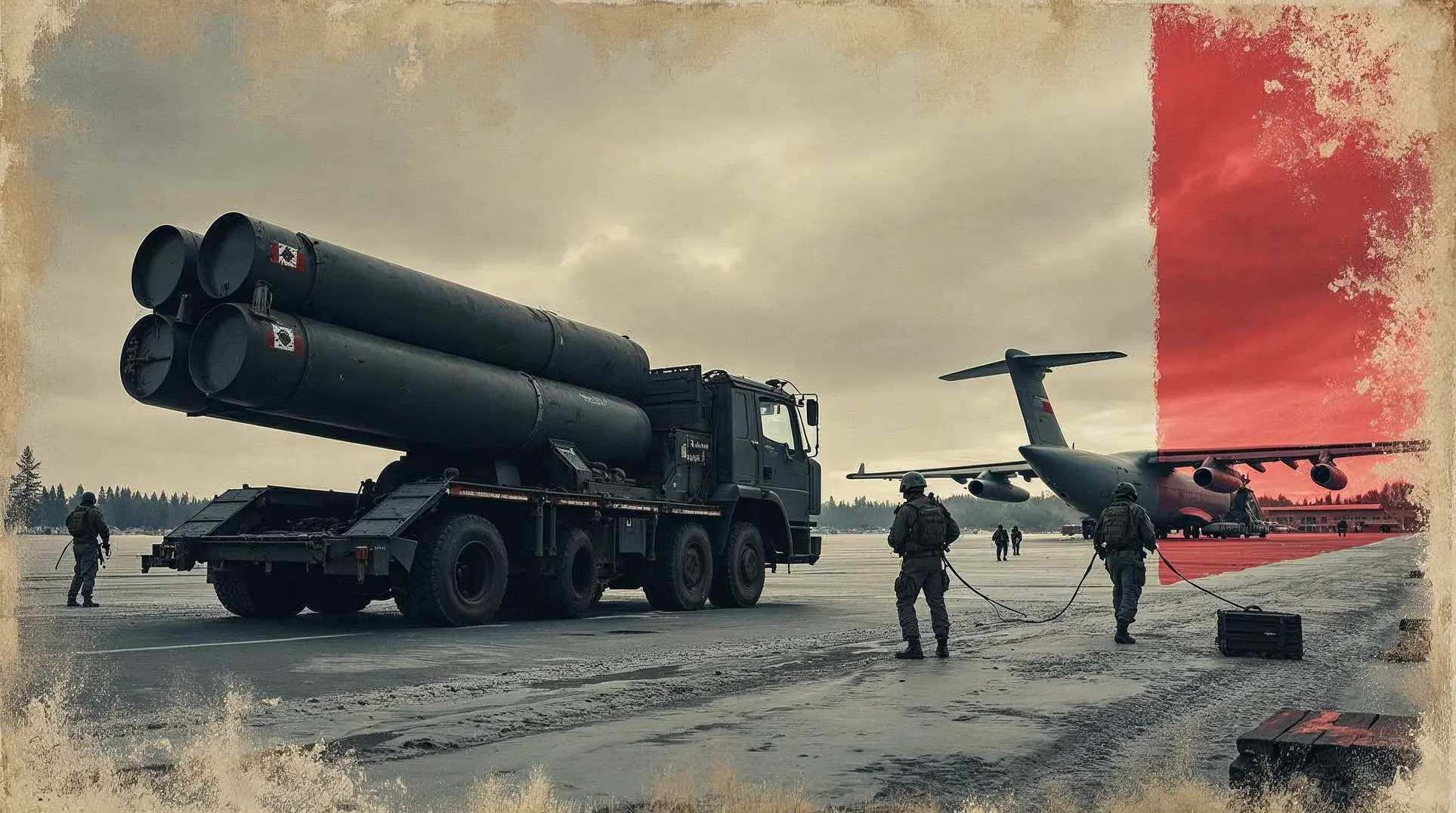
Members are reading: How Russia's cognitive-warfare logic and strike timing near NATO airspace create a procedural arms race in signaling and readiness.
What to watch on the eastern flank
Poland's response on Tuesday reflects a routinized toolkit for managing escalation risk in a high-threat environment. The immediate measures—fighter scrambles, heightened air-defense and radar posture, allied aircraft deployment—are calibrated to remain below Article 5 thresholds while safeguarding critical infrastructure and logistics nodes. As Russia's winter grid campaign continues and peace talks yield no breakthrough, similar scrambles and heightened-readiness episodes are likely to recur. The sustainability of allied Patriot rotations at Rzeszów, the procedural margin for error during near-border barrages, and the cognitive-warfare interplay between strike patterns and alliance signaling will remain key variables. NATO's eastern flank airspace management challenge is not a crisis today, but it is a persistent, high-stakes balancing act with no clear off-ramp in sight.
Subscribe to our free newsletter to unlock direct links to all sources used in this article.
We believe you deserve to verify everything we write. That's why we meticulously document every source.


