


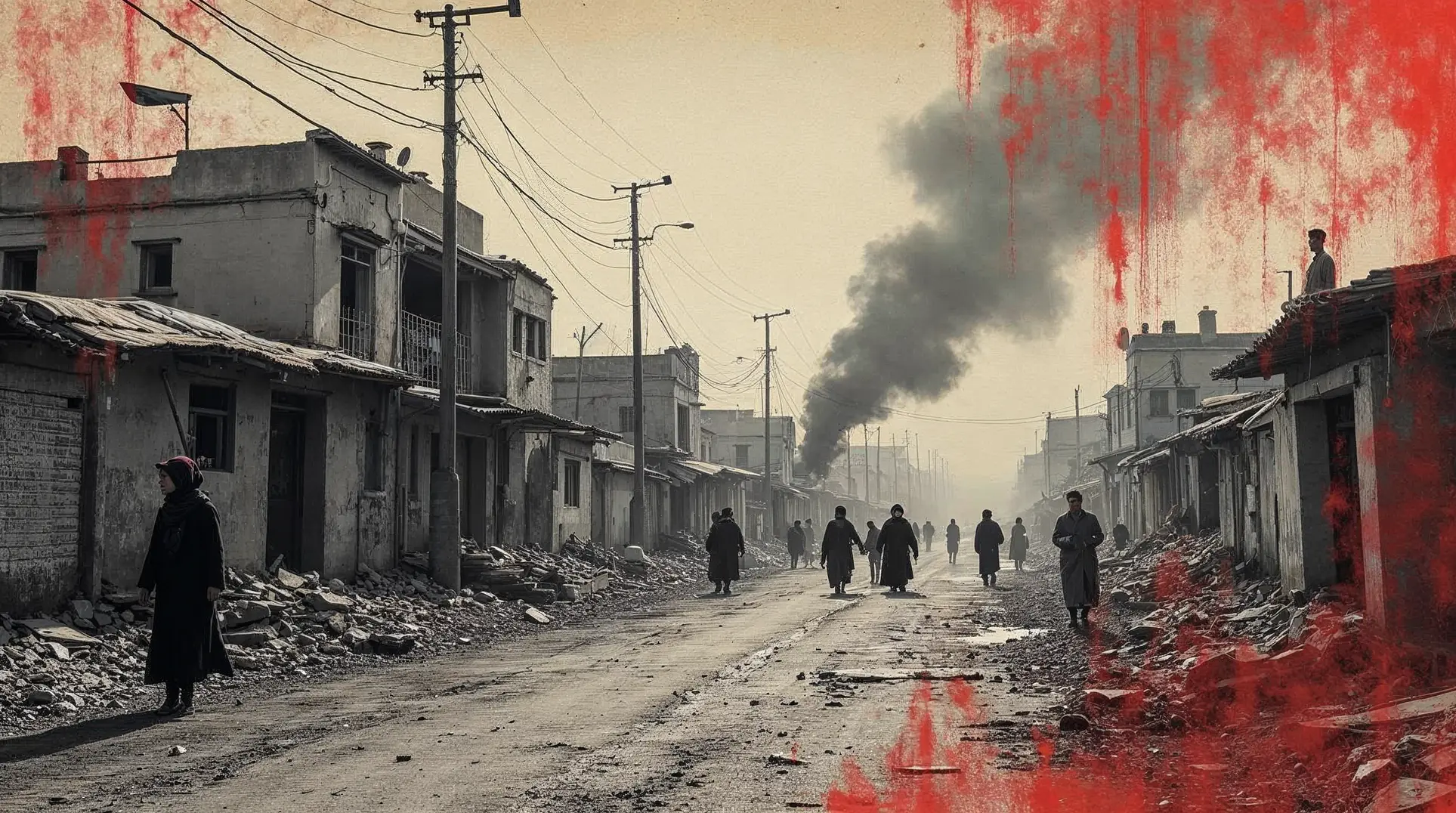
Afghan and Pakistani forces exchanged heavy fire along their shared border late Friday night, marking the most significant breakdown of a fragile ceasefire established in October after the deadliest fighting between the neighbors since 2021. The clash near the Chaman–Spin Boldak crossing in Kandahar province lasted approximately two hours, with both sides deploying light and heavy weapons, including artillery and mortars that struck civilian homes on the Afghan side.
The firefight exposes the fragility of diplomatic efforts to contain border tensions rooted in Pakistan's accusations that Afghanistan harbors militants from the Tehrik-e-Taliban Pakistan (TTP). Just days after talks in Saudi Arabia ended without breakthrough, competing narratives from Kabul and Islamabad over Friday's violence underscore the structural deadlock that has repeatedly sabotaged mediation attempts by Qatar, Turkey, and now Saudi Arabia.
Competing claims on who fired first
Taliban spokesman Zabihullah Mujahid stated on X that Pakistani forces "launched attacks" in the Spin Boldak district, forcing Afghan forces to respond. Pakistan's Prime Minister spokesperson Mosharraf Zaidi countered that Afghan forces resorted to "unprovoked firing" along the Chaman border, prompting Pakistani defensive action. Zaidi added that Pakistan remains "fully alert" to defend its territorial integrity.
Residents on the Afghan side reported the exchange began around 10:30 p.m. local time, with mortar and artillery rounds impacting homes in Spin Boldak. The gunfire ceased after approximately two hours, though the mechanism for the halt—whether through local commanders or higher-level coordination—remained unclear as of Saturday morning.
Casualty toll disputed and preliminary
Initial reports from multiple international wire services and local officials indicated no immediate casualties. However, later statements from Afghan officials to AFP and BBC Pashto cited four Afghan civilians killed and four injured in Spin Boldak, with the Spin Boldak district governor confirming the figures to AFP. Pakistan reported minor injuries on its side, with BBC citing three wounded, though official confirmation was pending. All casualty figures remain preliminary and contested, with no independent verification available at the time of reporting.
The discrepancy between early "no casualties" assessments and subsequent Afghan-side reports highlights the challenge of real-time verification in remote border zones, particularly when access for neutral observers is limited and official narratives diverge sharply.
Members are reading: Why the unresolved TTP sanctuary dispute ensures border clashes will recur despite ceasefires and high-level mediation.
Humanitarian and diplomatic costs mount
The violence complicates humanitarian operations in a region already suffering. A day before the clashes, Pakistan announced it would allow UN relief supplies to cross at Chaman and Torkham, a concession after months of restricted access. Friday's firefight threatens that limited opening, as border crossings often close for days following security incidents, cutting off aid flows and commercial traffic that sustains local economies.
The pattern also raises questions about the viability of further mediation. Saudi Arabia hosted last weekend's talks with the explicit goal of establishing joint monitoring mechanisms, but both sides left Riyadh without agreeing to specifics. Qatar and Turkey, which brokered the October ceasefire, have signaled willingness to convene additional rounds, yet the cycle of blame, clash, and pause suggests the diplomatic architecture lacks enforcement power or sufficient leverage to compel compromise on the core TTP sanctuary issue that Istanbul talks failed to resolve.
What comes next
As of Saturday, both governments publicly reaffirmed adherence to the October ceasefire, despite Friday's breach. Whether the pause holds depends on whether local commanders receive credible restraint orders and whether either capital sees strategic value in de-escalation. The absence of joint mechanisms means monitoring relies on unilateral good faith, a thin reed given the mutual accusations and civilian casualty allegations that preceded this latest exchange.
Observers will watch for signs of renewed fire in the coming days, any movement toward joint patrols or hotlines, and whether mediation efforts by Turkey and Qatar can reconvene parties willing to move beyond rhetoric. Until the sanctuary dilemma is addressed through enforceable commitments—or one side shifts its strategic calculus—Friday's firefight is unlikely to be the last interruption of a ceasefire that exists more on paper than on the ground.
Subscribe to our free newsletter to unlock direct links to all sources used in this article.
We believe you deserve to verify everything we write. That's why we meticulously document every source.


