


Pakistan is finalizing a $1.5 billion weapons package for Sudan's armed forces, according to a retired air marshal and multiple sources familiar with the negotiations. The deal—described as effectively concluded—will deliver K-8 light attack jets, over 200 kamikaze and reconnaissance drones, advanced air defense systems, and potentially JF-17 multi-role fighters to a military already sanctioned by Western powers for indiscriminate bombing of civilian areas. While international organizations catalog Sudan's descent into one of the world's worst humanitarian crises, three states have calculated that this moment presents a strategic opportunity worth pursuing regardless of diplomatic costs.
The transaction illuminates the mechanics of contemporary power politics in regions where Western influence has diminished. For Pakistan, this represents economic salvation and geopolitical positioning. For Sudan's Sudanese Armed Forces (SAF), it is a survivalist gamble to reverse military losses against the drone-equipped Rapid Support Forces. For Saudi Arabia, reportedly brokering and possibly financing the arrangement, it constitutes a move to counter Emirati influence in a critical Red Sea theater. Each actor pursues distinct but converging interests that override UN arms embargoes, humanitarian concerns, and the abstract principles of international order.
Pakistan's economic lifeline and strategic repositioning
Pakistan's participation in this deal reflects cold fiscal arithmetic. Operating under an International Monetary Fund stabilization program, Islamabad faces persistent currency pressures and limited export diversification. A $1.5 billion defense contract represents approximately 5-6% of Pakistan's total annual exports—a substantial injection for an economy struggling to maintain foreign exchange reserves. The deal follows established patterns; Pakistan previously supplied arms to Libya and has cultivated defense relationships across the Middle East and Africa as Western suppliers impose conditionality around human rights and governance.
The strategic dimension extends beyond immediate revenue. By positioning itself as a reliable supplier to states outside Western spheres of influence, Pakistan strengthens its role in what it perceives as an emerging multipolar order. Major arms exporters vary in the form and content of their formal policies regarding arms exports, with the decisive factor being neither ethics nor legal frameworks but suppliers' perceived economic, security, and strategic interests. Pakistan's approach to these transactions—interpreted in ways that suit its interests—builds long-term strategic partnerships with regimes that prioritize sovereignty and non-interference over alignment with liberal international norms. The calculus is straightforward: economic necessity combines with geopolitical opportunity to produce a rational decision that advances core national interests.
The hardware itself—K-8 trainers converted to light attack roles, Chinese-designed drones, and air defense systems—represents mature technology Pakistan can supply without drawing technological red lines from Beijing, its primary defense partner. If JF-17 fighters are included, as sources suggest remains possible, the package would represent Pakistan's most significant combat aircraft export, validating decades of investment in indigenous defense manufacturing capability.
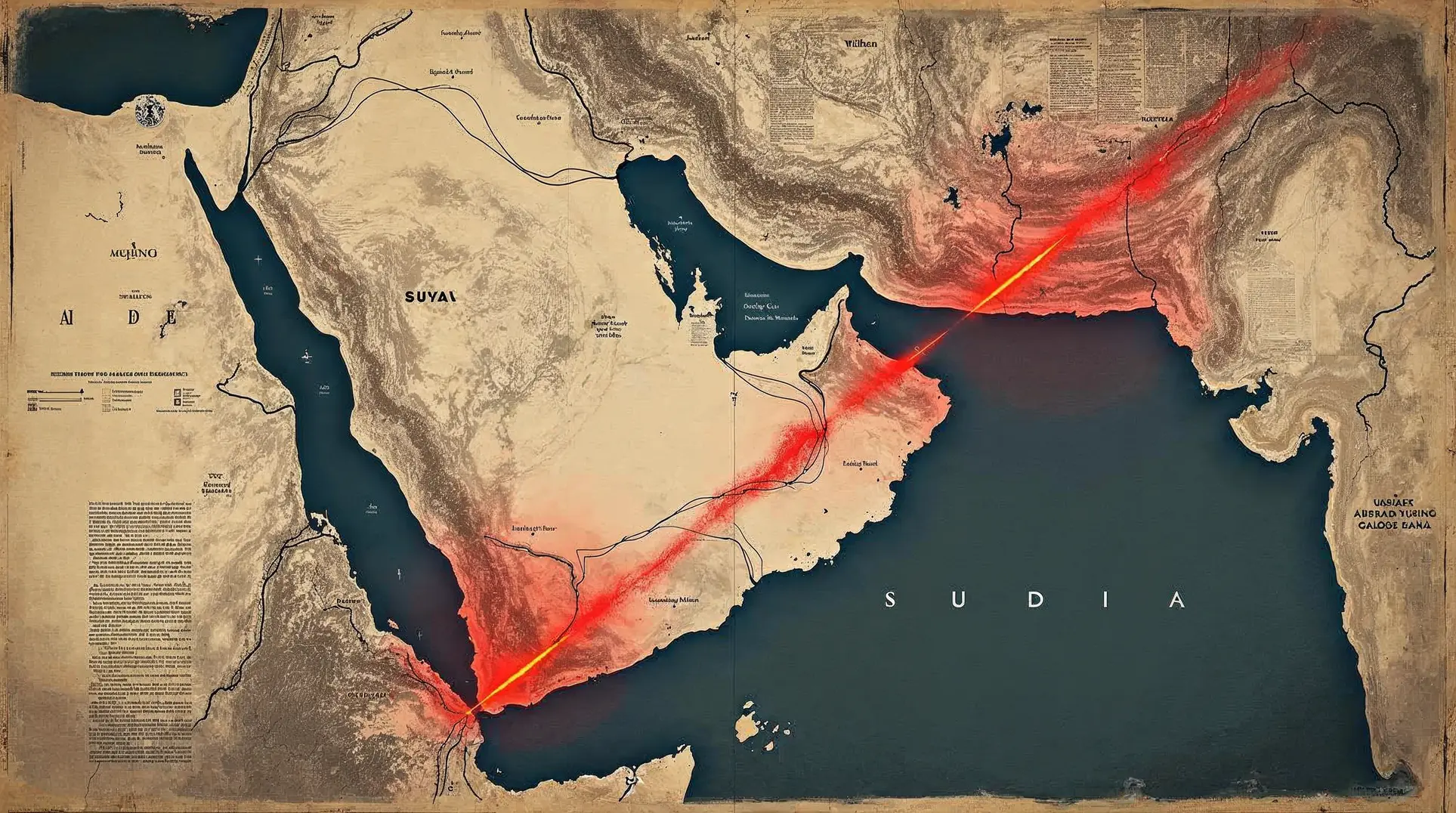
Members are reading: How Saudi-UAE rivalry reshapes Red Sea power dynamics and why Western sanctions fail against aligned state interests.
Power trumps principle in a multipolar order
The Pakistan-Sudan arms deal will not be the last transaction of its kind, nor will diplomatic condemnation prevent its consummation. It represents a straightforward alignment of interests among states operating in regions where Western leverage has declined. Alternative networks of arms supply, financing, and strategic coordination now operate with reduced constraints from Western pressure, enabled by smuggling networks, exemptions and exceptions in embargo design, and the willingness of non-Western states to prioritize their strategic interests over international humanitarian law norms. Pakistan secures revenue and strategic positioning. The SAF obtains hardware it believes can reverse battlefield losses. Saudi Arabia counters a regional rival's influence in a critical theater. That this transaction will likely escalate Sudan's conflict and deepen civilian suffering is acknowledged but ultimately irrelevant to the strategic logic driving each participant.
The deal's significance extends beyond Sudan. It demonstrates the mechanics through which arms continue to flow to conflict zones despite multilateral efforts to restrict them. For states facing existential threats or economic desperation, the choice between international approval and immediate strategic advantage presents no dilemma. The former is intangible; the latter is survival. Until the cost-benefit calculation changes—through either effective enforcement mechanisms or sufficient material incentives—expect this pattern to repeat wherever state interests and humanitarian principles collide.
Subscribe to our free newsletter to unlock direct links to all sources used in this article.
We believe you deserve to verify everything we write. That's why we meticulously document every source.


