


More than 115,000 people have fled their homes in Afghanistan and Pakistan as cross-border hostilities entered their second week on March 6, 2026, according to UNHCR and IOM reports. The conflict, which Pakistan now characterizes as "open war," has displaced families during Ramadan and claimed at least 146 civilian casualties in Afghanistan alone, with no diplomatic resolution in sight.
The humanitarian toll reflects a dangerous impasse between two governments holding incompatible security narratives. Pakistan insists the Afghan Taliban provides sanctuary to the Tehrik-e-Taliban Pakistan (TTP), which launches attacks into Pakistani territory. Afghanistan's Taliban government categorically denies this charge, accusing Islamabad of targeting civilian infrastructure through systematic airspace violations. Pakistan's defense minister has stated there is "nothing to talk about" and ruled out negotiations, insisting that "terrorism from Afghanistan must end" before any dialogue can occur.
Civilian populations bear the cost
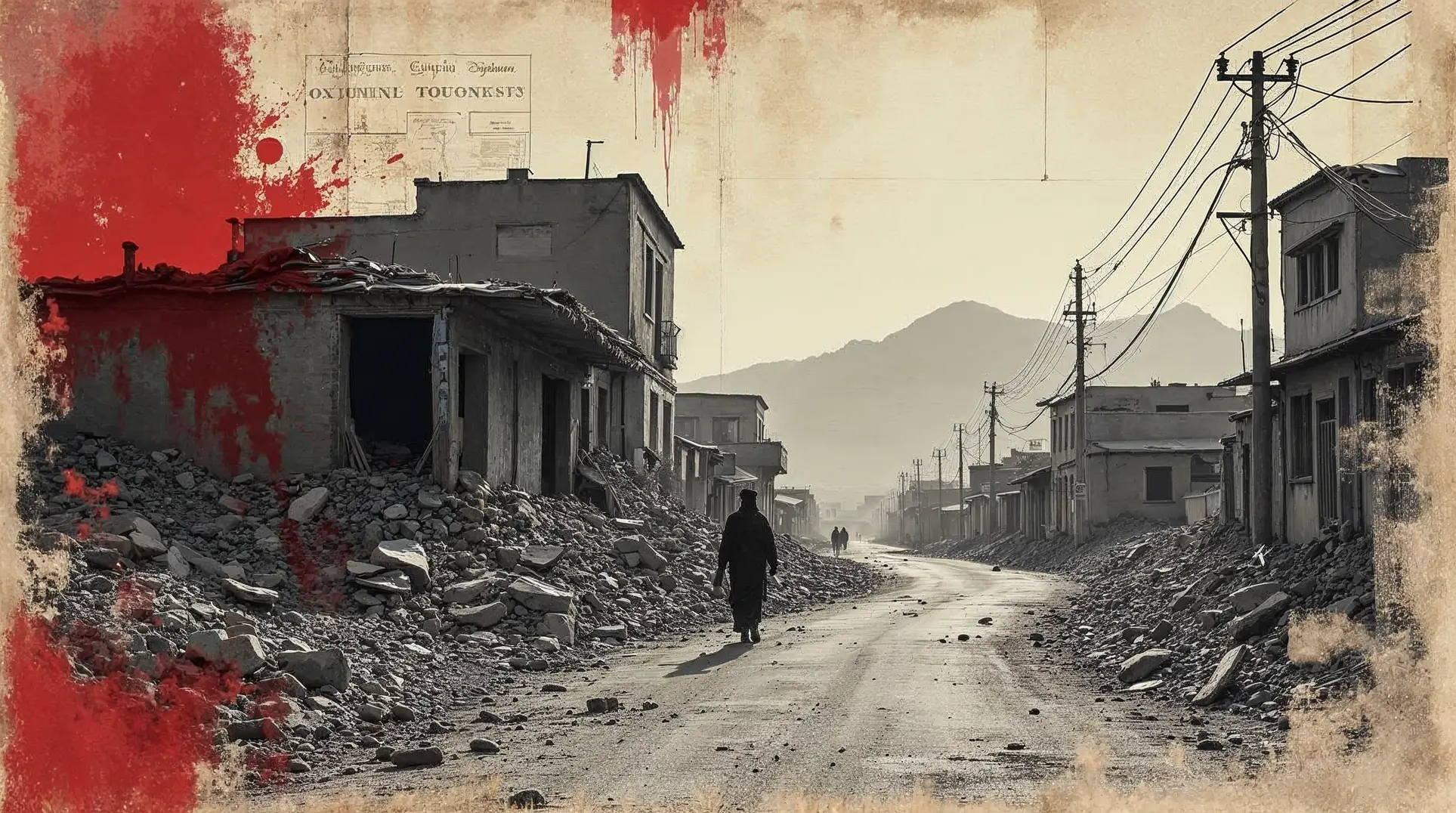
UNAMA reported 42 civilian deaths and 104 injuries in Afghanistan by March 2, with Afghan officials claiming 18 civilians died in initial Pakistani airstrikes on February 21. Pakistan denies targeting civilians, characterizing its operations as precision strikes against militant infrastructure. Neither side's claims have been independently verified, but the pattern of strikes across Kunar, Khost, Paktika, and Nangarhar provinces suggests extensive military operations affecting populated areas.
Displacement has been particularly severe on the Afghan side, where families have fled border towns during what should be the holy month of Ramadan. Reports describe families abandoning evening meals as shelling intensified, seeking shelter in safer districts further from the frontier. The 3,000 displaced within Pakistan represent a smaller number but still indicate significant disruption in tribal areas already experiencing heightened military operations related to other militant threats.
Members are reading: Why Pakistan's refusal to negotiate and the Taliban's ideological constraints create a structural impasse guaranteeing continued civilian suffering.
Regional implications of prolonged conflict
The conflict has already disrupted Afghanistan's fragile economy through border closures at Torkham and other crossings. As a landlocked country heavily reliant on Pakistani transit routes for trade, Afghanistan faces significant economic pressure from sustained hostilities. Iran's recent closure of its own border with Afghanistan further compounds Kabul's isolation, restricting alternative trade corridors.
Pakistan's military operations have expanded beyond border zones to include strikes on Kabul and Kandahar, representing a fundamental shift from counter-terrorism operations to what Islamabad now frames as dismantling "terrorist support networks" at the state level. This escalation follows Pakistan's experience with coordinated militant attacks in other regions, intensifying domestic political pressure for demonstrable security results.
The mass expulsion of Afghan refugees from Pakistan in 2023—with over one million deported in 2025 alone—has created additional tension and humanitarian burden. These deportations, combined with the current conflict, have severed family and trade connections that existed for generations across the contested Durand Line.
No diplomatic pathway visible
The absence of active negotiations is perhaps the most concerning aspect of the current crisis. Pakistan's categorical rejection of dialogue until "terrorism ends" creates a precondition the Taliban government appears unable or unwilling to meet. The Afghan Taliban, for its part, shows no indication of military capitulation despite Pakistan's conventional military superiority and air dominance.
Without addressing the core security disagreement over TTP sanctuary, the humanitarian crisis will continue to deepen. Each day of combat generates new displacement, disrupts already limited services in border regions, and creates grievances that militant groups can exploit for recruitment. The conflict has transformed from manageable border friction into what both sides now treat as sustained hostilities with no clear resolution mechanism.
The urgency for de-escalation extends beyond immediate humanitarian concerns to regional stability. The longer the conflict continues without diplomatic engagement, the more difficult any eventual settlement becomes, as military casualties and civilian suffering harden positions on both sides. For the more than 115,000 people already displaced, and the countless others living in active conflict zones, the absence of dialogue means continued uncertainty and danger with no prospect of return to normal life.
Subscribe to our free newsletter to unlock direct links to all sources used in this article.
We believe you deserve to verify everything we write. That's why we meticulously document every source.


