


NATO air defenses intercepted a second Iranian ballistic missile over Turkish airspace on March 9, 2026, five days after a similar incident that saw debris land near Incirlik Air Base. Turkey's Defense Ministry responded with a direct warning that it would take "decisive action" against future territorial violations, as the repeated incursions escalate regional tensions amid the ongoing US-Israel military campaign against Iran.
No casualties or damage were reported from the missile fragments, which landed in open fields in Gaziantep province according to Turkish authorities. NATO Secretary General Mark Rutte stated the alliance does not currently need to activate its mutual defense provisions under Article 4 or Article 5, despite two airspace violations within six days.
Turkish military deployment and regional response
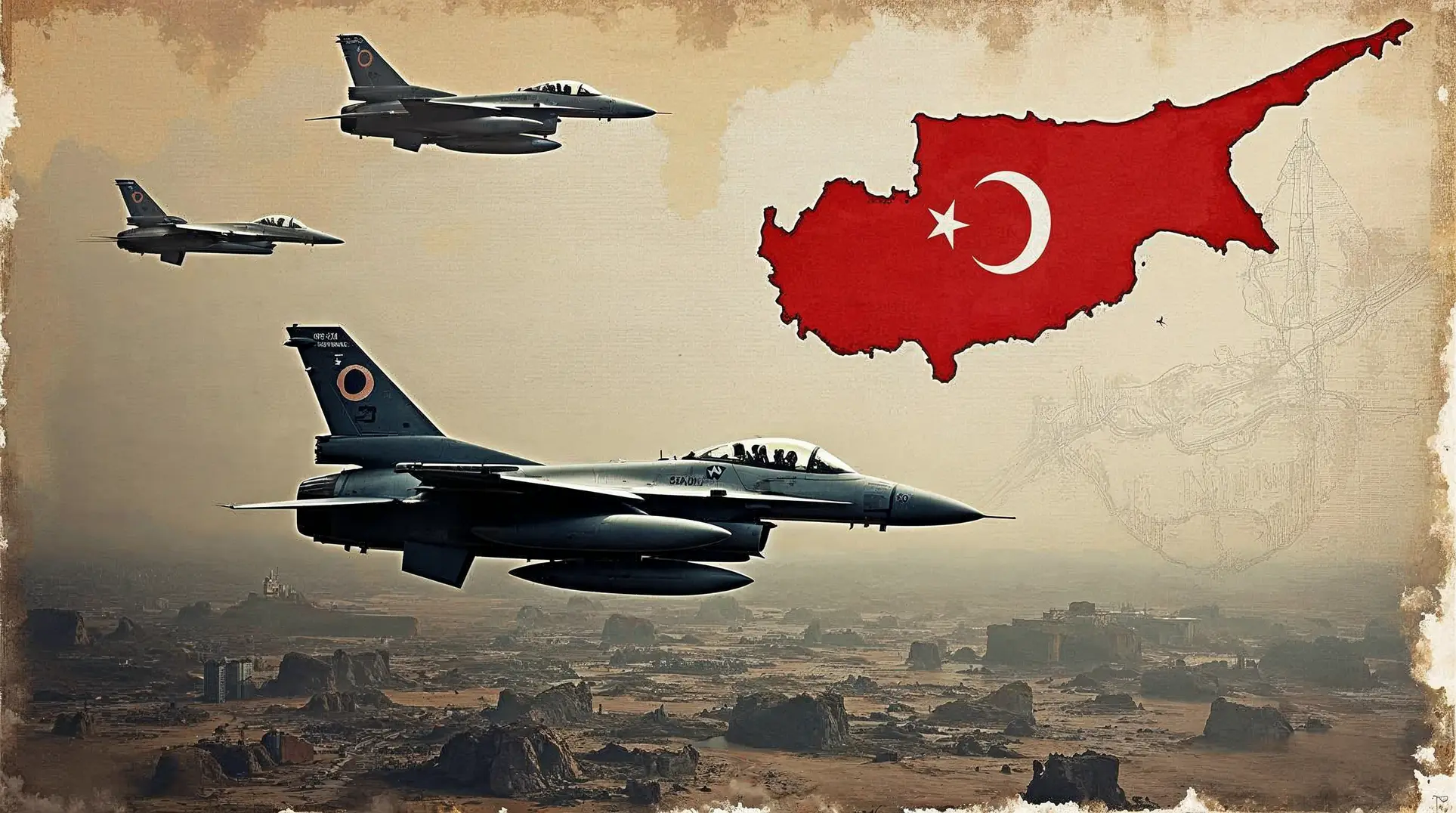
In a related escalation on March 9, Turkey deployed six F-16 fighter jets and integrated air defense systems to Northern Cyprus. The deployment followed a suspected Iranian drone strike near RAF Akrotiri, a British sovereign base area on the island, reportedly fired by Hezbollah in coordination with Iranian-backed forces. Greece responded by deploying F-16V aircraft to Paphos, raising the prospect of military friction between NATO allies over Cyprus.
The Turkish move reflects Ankara's assessment that the widening Iran conflict threatens regional stability beyond the immediate US-Israel-Iran confrontation. Cyprus, hosting British military installations, has been drawn into the expanding theater despite explicit statements by President Nikos Christodoulides that his government will not participate in military operations against Iran.
NATO has reinforced missile defense architecture in the Eastern Mediterranean, likely utilizing Aegis-equipped naval platforms positioned to intercept Iranian projectiles. The repeated interceptions demonstrate both NATO's defensive capabilities and Iran's willingness to risk direct confrontation with alliance territory as the broader regional conflict enters its second week.
Members are reading: Why repeated Iranian overflights may signal escalation testing rather than accident, and Turkey's strategic dilemma.
Alliance cohesion under pressure
The incidents place NATO in a reactive posture, defending against Iranian actions without triggering the collective defense mechanisms that would expand the conflict. Turkey's dual response—reinforcing air defenses while warning Iran directly—indicates Ankara's preference for bilateral deterrence over alliance-wide escalation. As the US-Israel campaign against Iran continues with no clear diplomatic resolution, NATO members hosting regional infrastructure face mounting exposure to Iranian retaliation without consensus on collective response thresholds.
Subscribe to our free newsletter to unlock direct links to all sources used in this article.
We believe you deserve to verify everything we write. That's why we meticulously document every source.


