


Israel and the United States conducted coordinated preemptive strikes against multiple targets inside Iran on Saturday, marking the most significant direct military action against the Islamic Republic by both nations. The operation, codenamed "Shield of Judah" by Israeli forces, resulted in explosions reported in Tehran, Isfahan, and Shiraz, according to Iranian state media and verified open-source intelligence.
Israeli Defense Minister Israel Katz confirmed the strikes in a brief statement, calling them "necessary defensive action against imminent threats to Israeli citizens." U.S. President Donald Trump separately acknowledged American participation, stating that Washington acted "in coordination with our Israeli allies to neutralize Iranian offensive capabilities." The joint operation represents a dramatic escalation following the collapse of nuclear negotiations earlier this week and comes amid a significant U.S. military buildup in the region.
Latest situation update
Iran's Supreme National Security Council convened an emergency session within two hours of the strikes, with Supreme Leader Ali Khamenei vowing a "crushing response" in remarks broadcast on state television. Iranian authorities have imposed a communications blackout in several affected areas, though satellite imagery analyzed by independent monitors shows damage consistent with precision strikes at multiple military installations. The Iranian Revolutionary Guard Corps activated reserve units and placed missile batteries on heightened alert across western Iran.
Israel has declared a nationwide state of emergency, closing its airspace to civilian traffic and activating its Iron Dome and Arrow missile defense systems. The Israel Defense Forces mobilized reserve units and issued shelter-in-place guidance for major population centers. U.S. Central Command elevated force protection conditions for American personnel across the Middle East to "Delta," the highest alert level, while moving additional naval assets into the Persian Gulf.
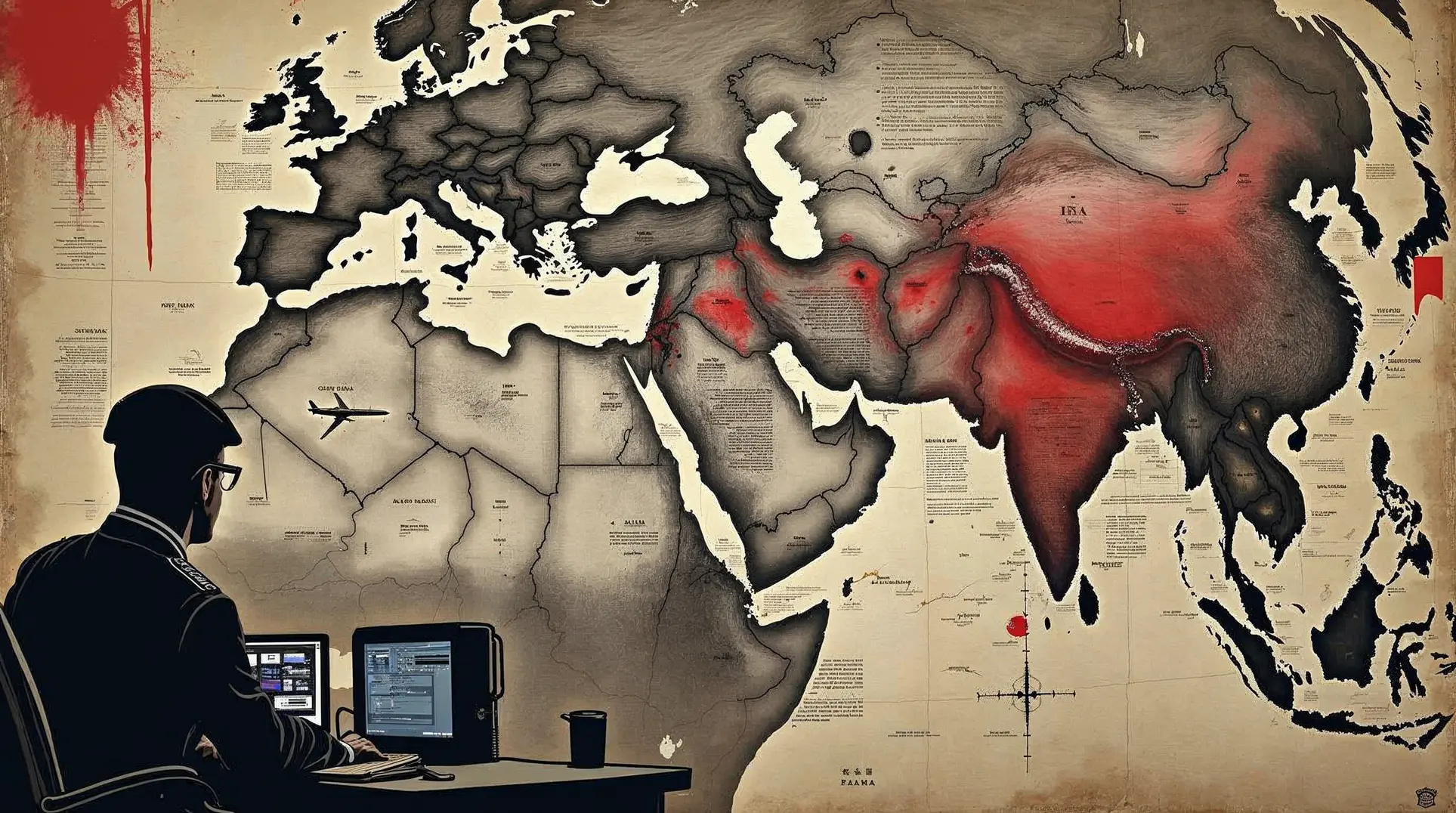
Members are reading: Analysis of Iran's next-move calculus and the critical 48-hour window for regional escalation or containment.
Situation remains fluid
The coordinated U.S.-Israeli strikes represent a fundamental shift from deterrence to direct action, with both nations now committed to managing Iranian retaliation while preventing broader regional conflict. All military and diplomatic channels remain focused on the immediate threat of Iranian countermeasures, with neighboring states bracing for potential spillover effects. The international community faces the prospect of sustained Middle East instability as diplomatic off-ramps narrow and operational timelines compress.
Subscribe to our free newsletter to unlock direct links to all sources used in this article.
We believe you deserve to verify everything we write. That's why we meticulously document every source.


