


Key takeaways
- Reuters reports four officials say the Pentagon is treating August freezer failures at US military commissaries as a suspected hack.
- No cause, culprit or method has been made public, and the Pentagon has not confirmed unauthorized access to any system.
- A similar attack hit over 350 French establishments in October; nothing yet establishes that the two cases are linked.
The Pentagon is treating a spate of freezer failures that spoiled food at US military bases in August as a suspected hack, Reuters reported on 29 October. It cited four officials familiar with the matter. Reuters said this was the first report that investigators were handling the cases as a suspected cyberattack.
At least six military commissaries were hit in late August, according to Reuters' review of the bases' Facebook posts and website updates. Commissaries are on-base stores where service members buy food. The Pentagon has not publicly confirmed unauthorized access to any system. Reuters said it was not able to ascertain how far along the Pentagon's investigation was, whether it had reached any conclusions, or who might be responsible. Nothing in the reporting names a state, group or country.
What happened at the commissaries
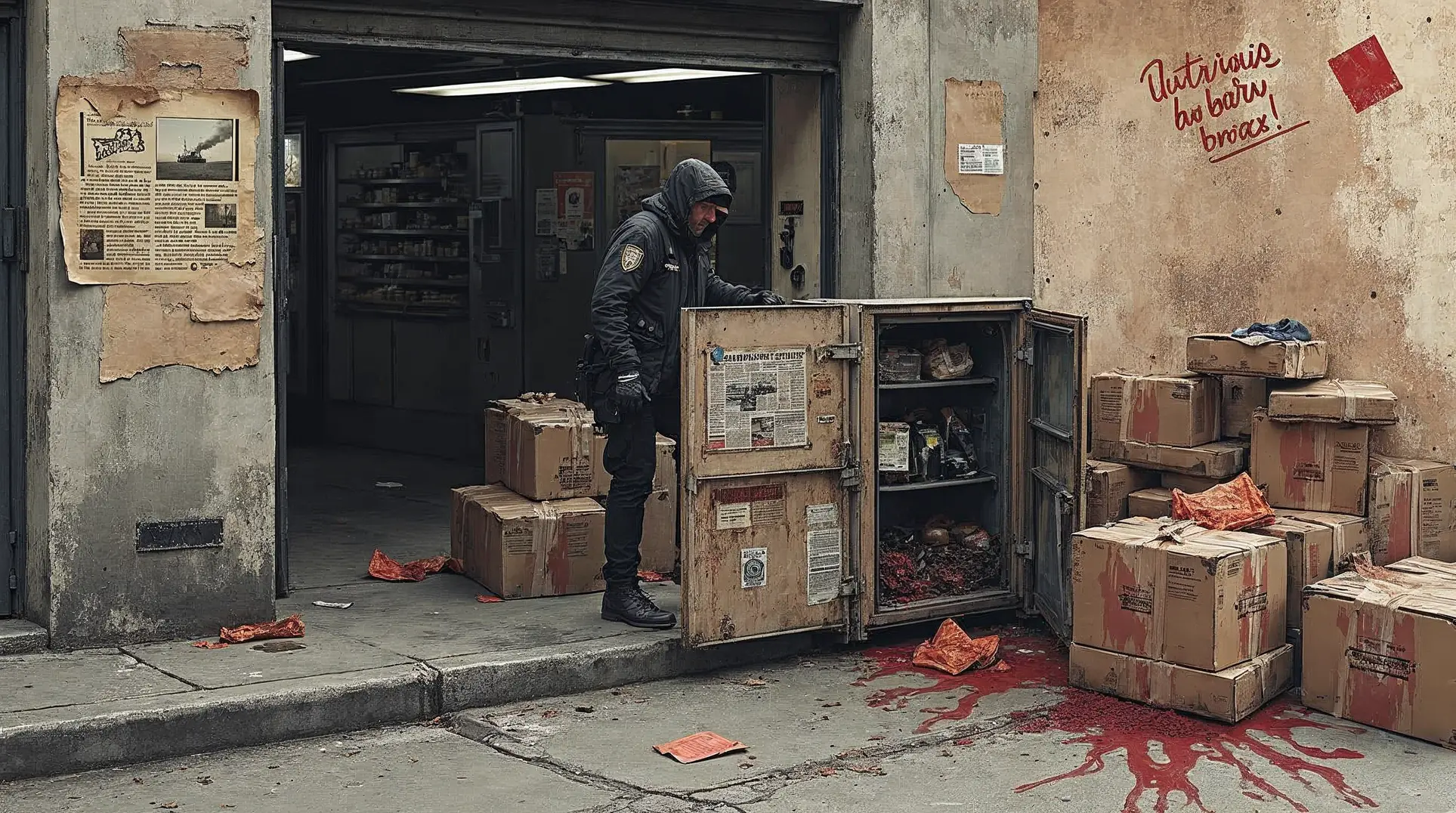
At Fort Huachuca, Arizona, the base's Facebook account said on 26 August that its freezer "went into defrost mode where it heated up all the food. Trust us when we say it was 'spoiled.'" Military Times reported that the post said all the freezers had gone into defrost mode and all frozen food had spoiled.
In at least one US case, Reuters reported, the freezers "did not simply stop working; the cooling units' temperatures were cranked up overnight, yielding mounds of wilted or melted food in the morning."
Reuters names Fort Huachuca. Infobae, citing Stars and Stripes, listed five other stores: Fort Irwin and Travis Air Force Base in California, F.E. Warren Air Force Base in Wyoming, Naval Station Newport in Rhode Island, and Columbus Air Force Base in Mississippi. Infobae also said several stores sold only dry goods during repairs.
A recently created blog, Signal and Silence, first reported the freezer problems and the possibility of cybersabotage on 28 August, according to Reuters. Stars and Stripes later reported that three military criminal investigation agencies had confirmed their agents were investigating the outages. Britain's Daily Telegraph reported their contacts with French counterparts.
Asked about the case, the Pentagon said a unit of Cyber Command, the military's cyber force, was "working in close coordination with interagency and law enforcement partners." It did not elaborate. The US Army Criminal Investigation Division said its Cyber Field Office was involved. It said it was working with French law enforcement to better understand "the refrigeration outages in Europe."
Observers are reading: the French precedent, past freezer hacks and expert warnings about internet-connected cooling controllers.
Become an Observer, it's free. Get full access to all Crisis.Zone analysis, briefings and breaking coverage.
What to watch next
Four developments would show whether the label becomes a finding. The first is whether the Pentagon confirms unauthorized access. The second is whether investigators link the US and French cases, or the equipment involved. The third is whether anyone is identified. The fourth is whether any government or agency makes an attribution.
Infobae noted that no country or group has claimed the French attacks, and that the Pentagon gave no timeline for concluding its investigation. Reuters said sabotage of cold storage over the internet "has long been seen as a nightmare scenario," alongside the loss of electricity or water plants. If confirmed, it said, the failures would be another illustration of how vulnerable critical infrastructure can be to hackers.
Become an Observer (it's free) to unlock direct links to all sources used in this article.
We believe you deserve to verify everything we write. That's why we meticulously document every source.


