


Iranian Foreign Minister Abbas Araghchi arrived in Muscat Thursday leading a diplomatic delegation for direct nuclear talks with the United States scheduled for Friday, marking the first such engagement since US and Israeli strikes targeted Iranian nuclear facilities last summer. The meeting comes amid escalating military tensions in the Gulf and direct threats from President Trump to Iran's leadership.
The talks represent a critical juncture in US-Iran relations, but they are beginning under fundamentally different premises. Iran has insisted the discussions remain strictly confined to the nuclear file, while Washington is pushing for a comprehensive agenda encompassing ballistic missiles, regional proxy operations, and human rights—a disagreement so fundamental it forced the venue change from a planned multilateral format in Turkey to bilateral talks in Oman. That shift itself signals a tactical win for Tehran in setting the terms of engagement.
Competing agendas define the negotiating space
The agenda dispute reveals divergent strategic postures. Secretary of State Marco Rubio has made clear the Trump administration views Iran's nuclear program as inseparable from its regional behavior and missile development, seeking what amounts to a grand bargain that would constrain Iranian power projection across the Middle East. Tehran's refusal to entertain this broader framework reflects both ideological red lines—revolutionary principles that preclude concessions on what it terms resistance movements—and a calculated assessment that engaging on multiple fronts would weaken its negotiating position.
Oman's selection as host is strategically significant. The sultanate has served as a discreet diplomatic channel between Washington and Tehran for over a decade, facilitating the secret talks that led to the 2015 Joint Comprehensive Plan of Action. Muscat's neutrality and Sultan Haitham's careful balancing between Gulf Arab and Iranian interests provide the political cover necessary for both sides to engage without appearing to capitulate to external pressure.
The US delegation, led by Middle East envoy Steve Witkoff and senior adviser Jared Kushner, arrives with limited room to maneuver between conflicting intelligence assessments and allied demands. US intelligence agencies assess that Iran has reconstituted its position to produce weapons-grade material but has not yet initiated an actual weaponization program—a technical distinction that leaves space for diplomacy. Israel, however, has demanded nothing short of complete dismantlement of Iran's enrichment infrastructure, a maximalist position that effectively precludes any negotiated settlement Tehran could accept.
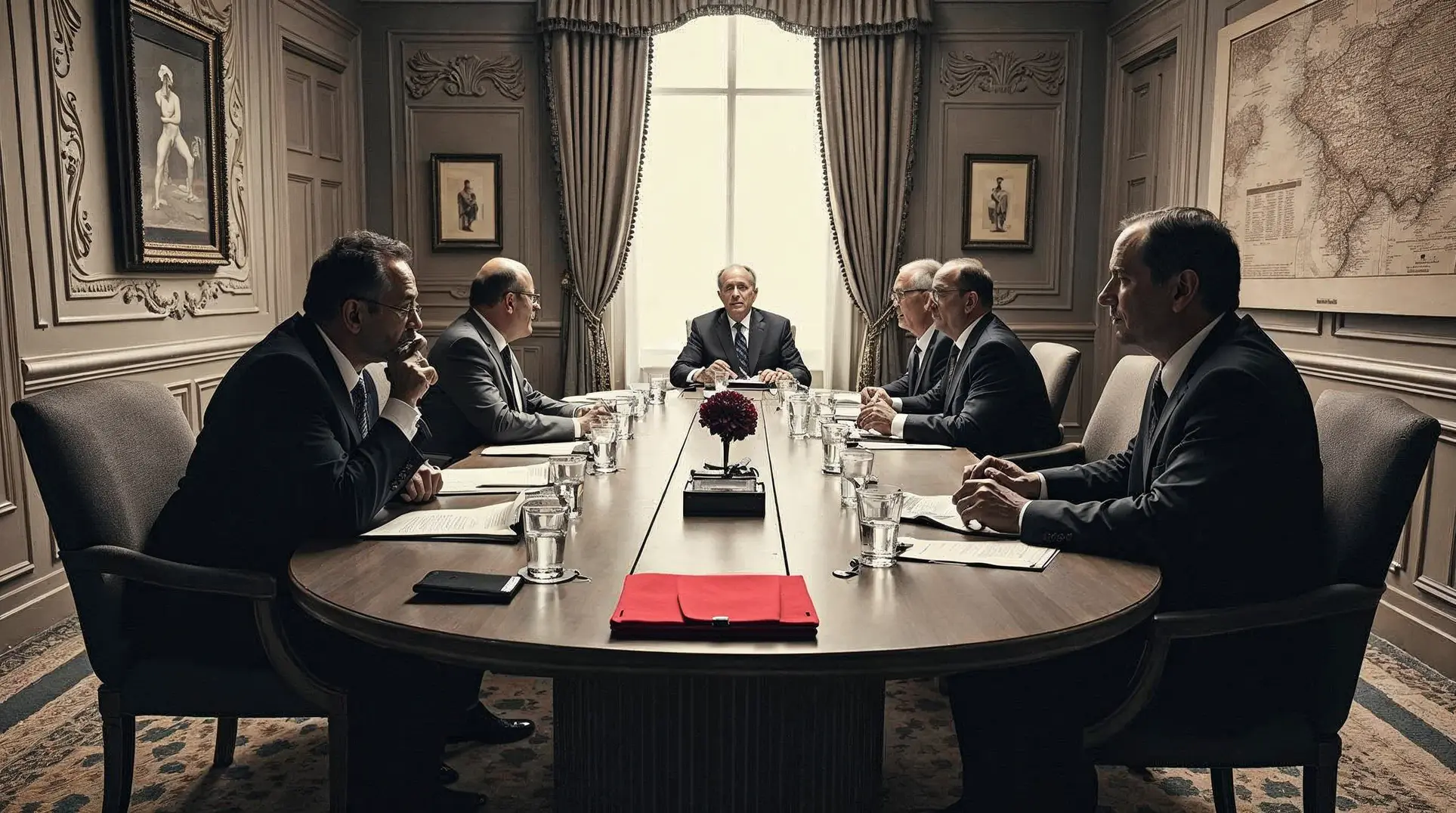
Members are reading: Why the framework dispute in Muscat matters more than any potential nuclear deal
The Muscat talks open under the shadow of recent military deployments and the collapse of previous venue arrangements, highlighting how narrow the diplomatic space has become. Friday's session will test whether Washington and Tehran can even agree on what they're negotiating about—a prerequisite for any substantive progress that remains uncertain as delegations prepare to meet. The agenda dispute is not a procedural detail; it is the negotiation.
Subscribe to our free newsletter to unlock direct links to all sources used in this article.
We believe you deserve to verify everything we write. That's why we meticulously document every source.


