


President Donald Trump confirmed on February 1, 2026, that "serious discussions" are underway with Iran even as the USS Abraham Lincoln carrier strike group transits toward the Persian Gulf. The dual messaging—naval deployment alongside diplomatic overture—mirrors a parallel ambiguity from Tehran, where Supreme Leader Ali Khamenei warned that any US attack would trigger a "regional war" while Foreign Minister Abbas Araghchi simultaneously described talks through intermediaries as "fruitful."
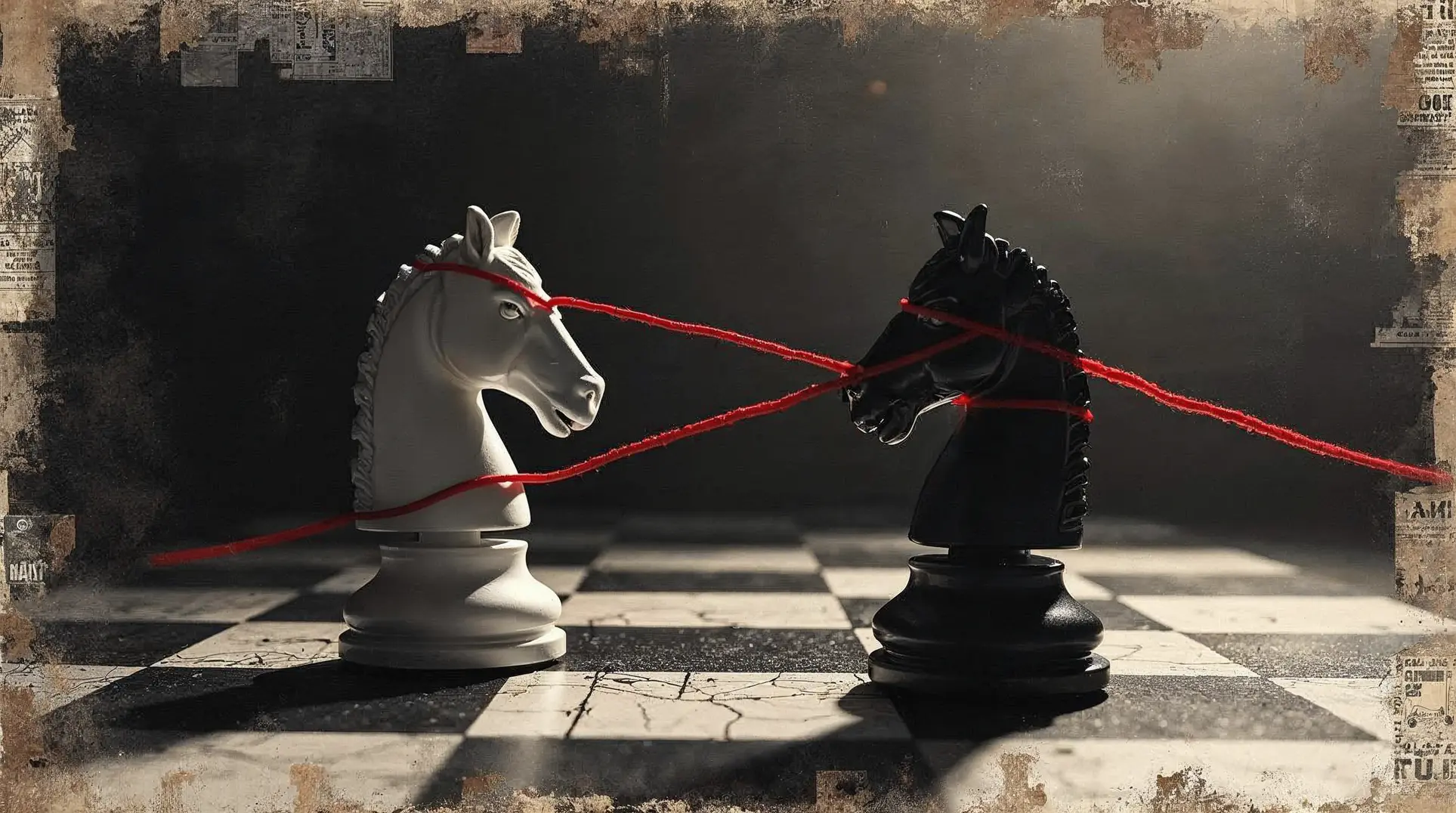
The convergence of coercive military posturing and diplomatic engagement reflects a high-stakes gamble by both capitals. For Washington, the naval presence is meant to compel Iranian concessions at the negotiating table. For Tehran, defiant rhetoric and military readiness serve to deter an attack while economic pressures from sanctions mount. This dynamic creates a credibility paradox: each side must project strength to make its position believable, yet that very posturing increases the risk of the miscalculation both claim to want to avoid.
The military dimension
The US naval buildup represents the most significant concentration of American firepower in the Gulf since early 2020. Beyond the Lincoln carrier strike group, the US Navy has deployed a sixth destroyer to the region, augmenting anti-missile and strike capabilities. Trump's reference to a "massive armada" in a recent press conference was characteristically hyperbolic, but the substance reflects genuine escalation in military readiness.
Iran's response has been deliberately calibrated to signal capability without crossing into direct provocation. The IRGC announced live-fire drills in the Strait of Hormuz designed to demonstrate control over the chokepoint through which approximately 21 percent of global petroleum passes. While the drills were subsequently denied by some IRGC naval commanders in statements to Tasnim News Agency, the confusion itself may be strategic—keeping adversaries uncertain about Iranian intentions and readiness. The Islamic Revolutionary Guard Corps Navy has invested heavily in asymmetric capabilities: fast attack craft, anti-ship missiles, and mine-laying capacity specifically designed to threaten larger conventional forces in confined waters.
This military theater operates on a knife's edge. The Strait of Hormuz, at its narrowest just 21 miles wide, offers little room for error. Satellite imagery analyzed by open-source intelligence monitors shows increased Iranian naval activity near Qeshm Island and the port of Bandar Abbas, though movements remain within historical patterns for exercises. A single miscommunication between patrol craft, or a technical malfunction misread as hostile action, could trigger an exchange neither capital currently seeks.
Members are reading: How the credibility paradox traps both leaders in escalation, and why Gulf states fear the economic fallout more than either Washington or Tehran.
The diplomatic track and forward risks
Despite the militarization, diplomatic channels remain active through Omani and Qatari intermediaries. Araghchi's description of talks as "fruitful" suggests Tehran is exploring whether Trump's "serious discussions" offer a genuine off-ramp or simply another negotiating tactic designed to extract concessions. The absence of direct communication between Washington and Tehran means both sides are interpreting signals through third parties, adding layers of potential misunderstanding.
The coming weeks will test whether either side can translate military posturing into diplomatic leverage without triggering the conflict both claim to want to avoid. The Strait of Hormuz remains the physical and symbolic center of this standoff—a narrow waterway where the global economy's vulnerability intersects with two states locked in a dangerous contest of credibility. For now, the signals remain deliberately ambiguous, but ambiguity in a crisis is rarely a stable equilibrium.
Subscribe to our free newsletter to unlock direct links to all sources used in this article.
We believe you deserve to verify everything we write. That's why we meticulously document every source.


